
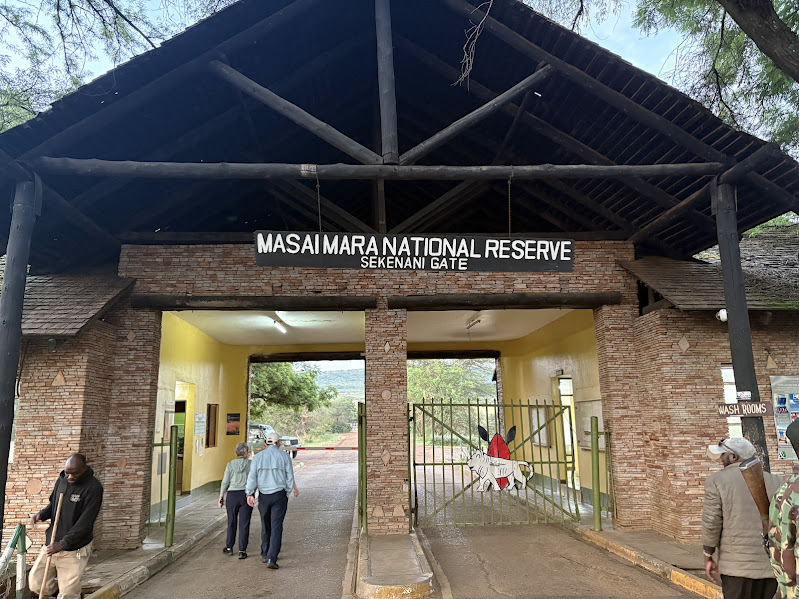
The Masai Mara is one of Africa’s most iconic wildlife landscapes—renowned for its sweeping plains, dense big-cat populations, and the northern stage of the Great Wildebeest Migration. With 800+ lions, abundant cheetahs and leopards, and some of the highest mammal densities on the continent, it remains a global wildlife stronghold.
Tourism brings 300,000+ visitors each year and generates nearly $37 million for Narok County and surrounding Maasai conservancies, supporting thousands of local livelihoods and one of Africa’s most successful community-based conservation models.
Read More
Yet beneath this success, the Mara faces a severe and accelerating ecological decline. Long-term studies show dramatic collapses in resident wildlife over the past four decades—giraffes down 95%, hartebeest 76%, impala 67%, and resident wildebeest 80%. The causes are well-documented: habitat loss and fencing, shrinking river flows, illegal grazing, and rising human–wildlife conflict. Overtourism adds pressure—vehicle congestion disrupts sensitive species, with cheetah cub mortality now exceeding 45%, while raptors continue to fall due to poisoning and habitat disturbance.
Unregulated development, expanding infrastructure, and climate variability further erode ecosystem resilience. Despite its fame and economic value, the Mara—now listed as a UNESCO Tentative World Heritage Site—is at risk of losing the very wildlife and wilderness character that make it extraordinary.
Introduction to Masai Mara National Reserve(MMNR)
📌Overview of Masai Mara National Reserve
- Location: Situated in Narok County, southwestern Kenya, forming the northern extension of the Serengeti–Mara ecosystem, one of the last intact large-mammal migrations on Earth.
- Coordinates: Centrally located at approximately 1°30′ S, 35°10′ E, giving it a temperate savannah climate ideal for year-round safari.
- Distance from Nairobi: Roughly 225 km by road from Nairobi to Sekenani, taking 5–6 hours depending on route (Mai Mahiu–Narok–Sekenani is the most common).
- Distance from Narok: Main entry gates sit 86 –105 km from Narok town, typically 1.5–2 hours on murram roads. Distance from Narok to Sekenani, the closest gate is 86.7 km.
- Size: Covers 1,510 km² as a protected National Reserve, with an extended wildlife range of 3,000–4,500 km² when including surrounding Maasai-owned conservancies.
- Ecosystem Type: A semi-arid savannah biome dominated by short and medium red-oat grass plains, riverine forests along the Mara & Talek rivers, marshes (Musiara/Ngama), and acacia woodlands.
- Famous For: World-class big-cat densities (over 800 lions, plus strong populations of leopards & cheetahs), dramatic Mara River crossings, abundant resident wildlife, and iconic hot-air balloon safaris.
- Great Migration Role: Hosts the northern half of the Great Wildebeest Migration, with 1.3M+ wildebeest, 200,000 zebras, 70,000 impalas, and 400,000 gazelles typically arriving late June–October.
- Management: Governed by Narok County Government (Main Reserve) and the Mara Conservancy (Mara Triangle), widely recognized for effective anti-poaching and ranger management.
- Protected Area Status: Classified as a National Reserve, not a national park—meaning it is unfenced, allowing unrestricted wildlife movement between Kenya and Tanzania.
- Community Conservancies: Surrounded by 23+ conservancies (e.g., Naboisho, Olare Motorogi, Mara North, Ol Kinyei) that add buffer protection and generate income for Maasai landowners through eco-tourism. Not managed by Kenya Wildlife Services. Masai Mara Conservancies are overseen by The Maasai Mara Wildlife Conservancies Association
- Landscape Features: Includes the Oloololo Escarpment, Mara River, Talek River, Paradise Plains, Rhino Ridge, Sand River, and rolling open grasslands ideal for photography.
🗺️ Geography, Regions & Habitat Zones
The Masai Mara is not just one open plain—it is a mosaic of habitats that shape where animals move and where visitors should focus.
Core Zones of the Mara Ecosystem:
- Central Reserve (Talek / Musiara Areas)
- Classic open plains, big cat territories, and high tourist use
- Great for year-round lion, cheetah, and general game
- Classic open plains, big cat territories, and high tourist use
- Mara Triangle (Oloololo Side)
- West of the Mara River, managed by the Mara Conservancy
- Fewer vehicles, excellent river crossings, high predator densities
- West of the Mara River, managed by the Mara Conservancy
- Eastern & Southern Sectors (Keekorok / Sand River)
- Important entry corridor for the first migration herds from Serengeti
- Mix of open grassland and seasonal wetlands
- Important entry corridor for the first migration herds from Serengeti
- Riverine Forests (Mara & Talek Rivers)
- Dense gallery forest along watercourses
- Key habitat for leopards, elephants, hippos, and crocodiles
- Dense gallery forest along watercourses
- Escarpment & Hills (Oloololo Ridge, Ngama Hills)
- Elevated viewpoints and raptor nesting sites
- Cooler microclimates and dramatic landscapes
- Elevated viewpoints and raptor nesting sites
Understanding these zones helps you—and your guide—decide where to stay and how to plan your game drives, especially when migration herds are scatter
📍 Location of Masai Mara National Reserve
The Masai Mara National Reserve lies in southwestern Kenya, forming the northern extension of Tanzania’s Serengeti ecosystem. It sits entirely within Narok County, approximately 225 km from Nairobi by road (5–6 hours), and is accessible through six major gates and multiple airstrips.
The reserve is bordered by some of Kenya’s most wildlife-rich conservancies—Mara North, Olare Motorogi, Naboisho, Ol Kinyei, Lemek, and Olarro—and by Tanzania to the south along the Serengeti border.
Conservancies vs. Main Reserve
| Feature | Main Reserve | Conservancies |
| Vehicle Density | Higher | Much lower |
| Activities | Day game drives only | Walking safaris, night drives |
| Cost | Lower | Higher |
| Wildlife | Excellent | Excellent + exclusive |
| Ideal For | First-time visitors, budget travelers | Photographers, honeymooners, repeat safari travelers |
🌾 Ecosystems and Habitats
The reserve encompasses several distinct ecosystems:
- Open grasslands — vast plains dotted with wildebeest, zebra, and topi.
- Acacia–Commiphora bushland — habitat for giraffes, elephants, and lions.
- Riverine forests — dense vegetation along the Mara and Talek Rivers, harboring hippos, crocodiles, and rare birds.
- Escarpment woodlands — dramatic cliffs and hillsides supporting klipspringers, leopards, and raptors.
- Wetlands and swamps — key for waterfowl, frogs, and other wetland species.
Together, these ecosystems create one of the world’s most biologically rich savannahs.
🕰️ History & Establishment
The Masai Mara’s story is one of both preservation and adaptation.
First gazetted in 1948 as a wildlife sanctuary, it was upgraded to game reserve status in 1961 and later reduced in size in 1974 to its present boundaries. Since devolution, the Narok County Government has managed the reserve, while conservancies have emerged under community and private partnerships.
The name “Mara” means spotted in Maa — a reference to how acacia trees and shrubs dot the landscape like freckles across the savannah.
Early explorers likeJoseph Thomson and Denys Finch Hatton were among the first Europeans to record its beauty, but the Maasai had long known it as home — grazing cattle alongside wildlife and maintaining balance through traditional land stewardship.
🩶Maasai People, Culture & Heritage
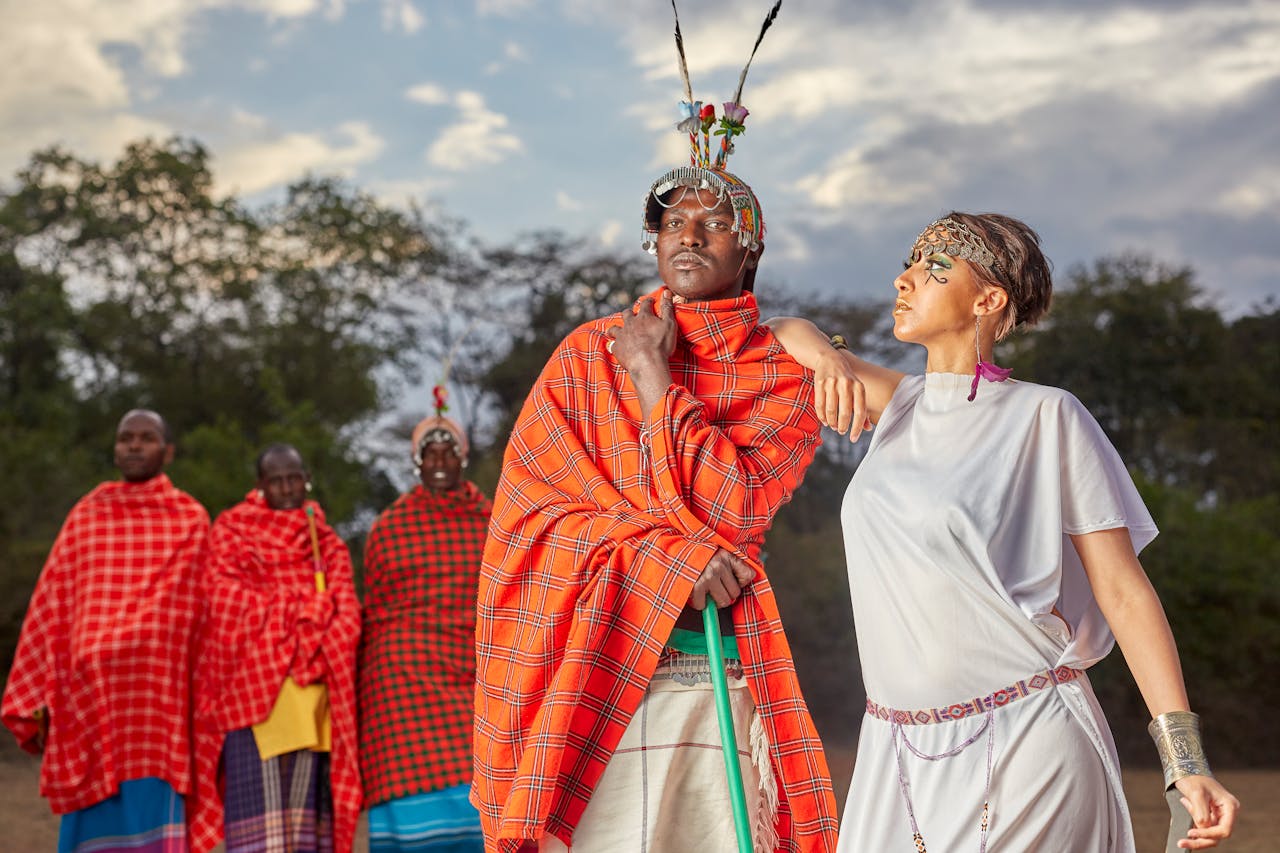
The Maasai people, known for their rich culture, resilience, and harmony with nature, are the ancestral custodians of the Masai Mara ecosystem. Their semi-nomadic lifestyle, centered on cattle herding, has helped preserve the savannah for centuries. The word “Mara” — meaning spotted in Maa — describes the landscape dotted with acacia trees, shrubs, and grazing herds.
Visitors can join village tours (enkangs) to learn about:
- The adumu or jumping dance
- Traditional pastoral life
- Beadwork craftsmanship and symbolism
- Maasai rituals and rites of passage
Cultural experiences provide not only insight but also direct income to local households, supporting education and conservation initiatives.
How to Get to the Masai Mara
By Road (5–6 hours from Nairobi)
- All Routes: Nairobi → Mai Mahiu → Narok → Sekenani / Talek / Oloololo gates
- Best Route: Nairobi → Narok → Sekenani Gate (Most Popular & Easiest)
- Use a 4×4 during rainy seasons—sections near the park become slippery and rutted.
- Avoid night driving due to unlit roads, livestock crossings, and sharp bends.
- Expect rough road sections near the gates
Masai Mara National Reserve Access Gates ( Summary Table
| Gate Name | Region / Location | Distance from Narok Town | Distance from Nairobi | Best For / Nearby Camps |
|---|---|---|---|---|
| Sekenani Gate | Eastern & Central Masai Mara (main commercial gate) | ~82 km | ~250 km (5–6 hrs) | Kambu Mara Camp, Sekenani Camp, Mara Sopa Lodge, Zebra Plains, Ashnil Mara |
| Talek Gate | Northeast / Central Masai Mara | ~98 km | ~260 km | Talek Bush Camp, Mara Simba, Aruba Mara, Fig Tree Camp |
| Ololaimutiek Gate | Southeast Masai Mara | ~90 km | ~255 km | Ololaimutiek Village Camps, AA Lodge Mara, Mara Sidai |
| Sand River Gate | Southern border (near Serengeti border) | ~130 km | ~300 km | Sand River Mara, Sala’s Camp, Cottar’s 1920s Camp |
| Musiara Gate | Northern–Central area (near Musiara Marsh) | ~115 km | ~280 km | Little Governors’, Governors Main Camp, Il Moran, Kichwa Tembo |
| Oloololo / Purungat Bridge Gate | Western Mara Triangle (escarpment) | ~110–120 km | ~270 km | Mara Serena, Mara Engai, Kilima Camp, Angama Mara (via private road) |
Notes:
- Sekenani Gate is the most popular and handles most vehicle traffic.
- Oloololo Gate provides access to the Mara Triangle, famous for its fewer vehicles, cleaner management, and iconic river crossings.
- Sand River Gate is closest to Serengeti’s Sand River area, ideal for early-migration camps.
By Air (45 min from Wilson to Mara)
Common airstrips:
- Keekorok, Ol Kiombo, Serena, Musiara, Ol Seki, Siana
✈️ Masai Mara Airstrips Overview
Multiple airstrips serve different sectors of the reserve and conservancies. Flights come from Nairobi Wilson, Diani/Ukunda, Mombasa, and Nanyuki via airlines like Safarilink, Air Kenya, and Governors Aviation.
Flying reduces travel time from 6 hours by road → 45 minutes by air.
Summary Table – Masai Mara Airstrips & Nearby Camps
| Airstrip Name | Region / Sector | Nearby Camps & Lodges |
|---|---|---|
| Keekorok Airstrip | Southeastern Masai Mara | Keekorok Lodge, Kambu Mara Camp (preferred drop-off), Siana Springs, Osero Lodge |
| Ol Seki (Naboisho) Airstrip | Naboisho Conservancy | Ol Seki Hemingways, Naboisho Camp, Eagle View, Leopard Hill |
| Ol Kiombo Airstrip | Central Reserve / Talek–Musiara zone | Fig Tree Camp, Ilkeliani, Entim, Rekero Camp |
| Serena Airstrip | Mara Triangle (near Mara Serena Lodge) | Mara Serena Safari Lodge, Angama Mara (private transfer required), Kilima Camp |
| Mara North Airstrip | Mara North Conservancy | Saruni Mara, Elephant Pepper, Offbeat Mara, Royal Mara |
| Mus iara Airstrip | Northern Reserve / Musiara Marsh | Governors Camp Collection (Main, Little, Il Moran), Kichwa Tembo (via road transfer) |
| Mara Shikar / Kichwa Tembo Airstrip | Oloololo Escarpment / NW Mara | Kichwa Tembo, Bateleur Camp, Kilima Camp |
| Siana Airstrip | Eastern Conservancies | Cottar’s 1920s Camp, Siana Springs, Spirit of the Masai Mara |
| Angama Private Airfield | Above Oloololo Escarpment | Angama Mara (private-use only) |
| Mara Rianta Airstrip | North Mara (near Mara River) | Mara Rianta Camp, Neptune Mara Rianta, nearby Mara North properties |
Notes:
- Ol Seki Airstrip does not prefer receiving guests staying outside conservancies; best reserved for Naboisho guests.
- Keekorok Airstrip is the most centrally located for camps in Sekenani/Talek areas.
- Serena Airstrip is ideal for Mara Triangle safaris.
Entry Fees (2025) & Rules
Masai Mara National Reserve is Kenya’s most expensive wildlife destination, largely due to its global status as the northern anchor of the Great Migration and one of Africa’s highest-density big cat ecosystems.
Summary Table – Non-Residents & Kenyan Citizens
| Visitor Category | Unit | Jan 1 – June 30 (Low Season) | July 1 – Dec 31 (Peak Migration Season) |
|---|---|---|---|
| Non-Resident Adult | Per Person / Day | USD 100 | USD 200 |
| Non-Resident Child (0–8 yrs) | Per Person / Day | FREE | FREE |
| Non-Resident Child (9–17 yrs) | Per Person / Day | USD 50 | USD 50 |
| Non-Resident Student (Organized Group) | Per Person / Day | USD 50 | USD 50 |
| Kenyan Citizen Adult | Per Person / Day | KES 1,500 | KES 3,000 |
| Kenyan Citizen Child (0–8 yrs) | Per Person / Day | FREE | FREE |
| Kenyan Citizen Child (9–17 yrs) | Per Person / Day | KES 300 | KES 500 |
| Kenyan Citizen Student (Organized Group) | Per Person / Day | KES 300 | KES 500 |
Key Rules
- No off-road driving (except in conservancies)
- No night drives in the National Reserve
- Keep 25m distance from wildlife
- Do not block animals during river crossings
- Park tickets are valid for 12 hours
✅ Why it is Worth Visiting
- Wildlife appears within minutes of entering the reserve thanks to some of the highest large-mammal densities in Africa (up to 95 animals/km²), making sightings immediate and continuous.
- Africa’s highest lion density—over 800 lions across 35–40 prides— ensures daily lion sightings, often multiple prides in a single game drive.
- One of the world’s best places to see cheetahs, with extremely high encounter rates in conservancies such as Naboisho and Olare Motorogi.
- Reliable leopard sightings due to rich riverine forests along the Talek and Mara Rivers where individuals are well-habituated to vehicles.
- Home to the northern half of the Great Wildebeest Migration, with 1.3–1.5 million wildebeest + 200,000 zebras crossing into the Mara between July–October.
- You have one of Africa’s best chances of seeing predator hunts, with lions, cheetahs, hyenas, and crocodiles extremely active during migration months.
- Compact, easy-to-navigate reserve where wildlife is concentrated, giving more sightings in less driving time compared to other large parks.
- Extraordinary ecological diversity in one landscape—open plains, acacia woodland, marshes, escarpments, and riverine forests support 95+ mammal species.
- A world-class photography destination, regularly used by NatGeo, BBC, and DisneyNature thanks to golden light, open landscapes, and high predator activity.
- Top-tier guiding and exclusive experiences in conservancies, including night drives, off-road access, walking safaris, and low vehicle density at sightings.
- Your visit directly funds Maasai community conservation, contributing to more than $10 million per year in land lease payments that keep the ecosystem open and unfenced.
- Year-round excellent wildlife viewing, even outside migration season, with strong populations of elephants, buffalo, giraffe, hippos, hyenas, and resident big cats.
- Unforgettable, unique encounters—from wildebeest herds stretching across the horizon to lions walking beside vehicles and cheetahs using cars as vantage points (rare but iconic).
🦓 Key Attractions and Major Landmarks
The Masai Mara National Reserve is a landscape of striking beauty and ecological variety, divided into distinct sectors and dotted with iconic landmarks that make it one of Africa’s most celebrated safari destinations.
Main Sectors of the Reserve:
- Mara Triangle (West): Managed by the Mara Conservancy; scenic, less crowded, and known for excellent predator sightings.
- Sekenani & Talek (East/Central): Main tourism hub with many camps and lodges; great year-round game viewing.
- Musiara Sector (North): Famous for the Big Cat Diary filming area, Musiara Marsh, and Paradise Plains.
- Oloolaimutia Sector (South-East): Offers panoramic views and proximity to the Sand River crossing point.
Key Landmarks and Attractions:
- Mara River: The Reserve’s lifeline and site of dramatic wildebeest crossings during the Great Migration.
- Siria (Oloololo) Escarpment: Western boundary of the Reserve offering spectacular Rift Valley views.
- Lookout Hill: A classic viewpoint overlooking the migration routes and open plains.
- Musiara Marsh & Paradise Plains: Prime predator territory for lions, cheetahs, and leopards.
- Rhino Ridge: Known for sightings of black rhinos and expansive grasslands.
- Topi Plains: Central area rich in antelope, big cats, and year-round game viewing.
- Talek & Sand Rivers: Important wildlife corridors lined with lush riverine vegetation.
- Mara Bridge: Iconic crossing point over the Mara River linking Kenya and Tanzania.
- Soroi & Oloolaimutia Hills: Rolling hills framing the Reserve’s southern and eastern boundaries.
Together, these sectors and landmarks define the Masai Mara’s rich geography and wildlife diversity — from vast savannahs to dramatic escarpments — creating a safari experience unmatched anywhere in Africa.
Wildlife & Birds
See The Big Five in Masai Mara NR
| Animal | Where Commonly Seen | Notes |
| Lion | Paradise Plains, Olare, Musiara | High pride density—top lion ecosystem globally |
| Leopard | Riverine forests, Talek River | Often found in sausage trees |
| Elephant | Mara Triangle, Ol Choro | Stable herds, excellent viewing |
| Buffalo | Everywhere | Large herds, predictable sightings |
| Rhino | Rare in the Main Reserve | Better chances in Ol Choro / private conservancies |
Other Iconic Species
- Cheetahs—best seen in open plains like Olare & Naboisho
- Hyenas—abundant, complex social behavior
- Hippos & Crocodiles—Mara River hotspots
- Over 470 bird species—Raptors, secretary birds, crowned cranes, rollers
The Great Migration
The Great Migration is the centerpiece of Mara tourism.
Key Facts
- 1.3–1.5 million wildebeest, 200k zebras, 400k gazelles
- Driven by rainfall and fresh grazing
- Moves in a circular cycle through Tanzania & Kenya
When the Herds Are in Masai Mara
Migration Calendar (Kenya Phase)
| Month | Migration Stage | Key Areas |
| Late June | First herds enter Kenya | Sand River, Mara Triangle |
| July | Herds spread across south/central Mara | Olare, Lookout Hill, Keekorok |
| Aug–Sept | Peak river crossings | Mara River (Serena, Mara Bridge, Talek) |
| October | Herds begin returning to Serengeti | Southern Triangle, Sand River |
Visitor FAQs (Answered Explicitly)
- Are crossing dates predictable?
No—depends on rain patterns, grass growth, and herd behavior. - Is a crossing guaranteed?
No. Even if you’re beside the river all day, crossings may not happen. Spending 3–5 nights increases your chances.
Do you need to stay inside the Reserve?
No. Camps outside the reserve like Kambu Mara Camp are 40 minutes from river loops and offer lower rates and no overnight park fee.
Weather, Climate & Best Time to Visit
The Masai Mara sits at a relatively high altitude, giving it mild temperatures compared to many savannah regions.
- Temperature:
- Daytime: ~20–28°C
- Nights: Cooler (often 10–15°C), especially in June–August
- Daytime: ~20–28°C
- Rainfall Pattern (Typical Bimodal System):
- Long Rains: March–May (heaviest in April)
- Short Rains: November–early December
- Drier Months: June–October, January–February
- Long Rains: March–May (heaviest in April)
Road conditions, grass height, and animal distribution all shift with rainfall—impacting where herds feed and how easily vehicles can move.
📆 Best Time to Visit Masai Mara National Reserve
You can visit the Mara year-round, but your experience will differ by season.
| Season | Months | What to Expect | Best For |
| Long Dry | June–Oct | Short grass, easier viewing, migration in Mara | River crossings, big cats |
| Short Dry | Jan–Feb | Warm, dry, excellent predator sightings | Photographers, fewer crowds |
| Long Rains | Mar–May | Green landscapes, possible storms & muddy tracks | Budget safaris, birding |
| Short Rains | Nov–Dec | Fresh grass, scattered herds, dramatic skies | Scenic photography, quieter safaris |
For river crossings: Aim for late July–September- For fewer vehicles but great wildlife: Try Jan–Feb, or shoulder weeks in June & October
For best value: Green-season rates in March–May (some properties close in heavy rains)
Where to Stay in Masai Mara
Masai Mara Accommodation by Location Category
(Inside the Reserve • Outside the Reserve • Community Conservancies)
| Category | Example Camps & Lodges | Typical Features | Ideal For |
| Inside Masai Mara National Reserve | • Mara Serena Safari Lodge• Keekorok Lodge• Ashnil Mara Camp• Ilkeliani Camp (river-adjacent, quasi-inside)• Mara Sopa Lodge | • Direct access to game-viewing circuits• No gate transit required• Close to Mara River crossings during migration• Higher park fees, more vehicle density | Travellers wanting maximum time in the Reserve and quick access to wildlife hotspots |
| Outside the Reserve (Gate Areas) | • Kambu Mara Camp (Sekenani)• Talek Bush Camps• Manyatta Camp• AA Lodge Mara• Rhino Tourist Camp | • Excellent value• 5–10 minutes from main gates (Sekenani, Talek)• Budget to mid-range options• Ideal for self-drive travelers | Budget-conscious guests, families, and visitors prioritizing affordability & easy gate access |
| Community Conservancies (Premium Wildlife Areas) | • Porini Lion (Olare Motorogi)• Porini Mara (Ol Kinyei)• Naboisho Camps (Basecamp, Encounter)• Mara North Conservancy camps (Elephant Pepper, Saruni Mara)• Ol Seki Hemingways (Naboisho) | • Low vehicle density• Off-road driving allowed• Walking safaris & night drives• Some of Kenya’s best guiding• High-end eco-conscious tourism | Photographers, seasoned safari-goers, and travelers seeking exclusivity & exceptional wilderness |
Masai Mara Accommodation by Price & Experience Level
(Budget • Mid-Range • Luxury)
| Category | Price Range (Approx.) | Example Camps & Lodges | What to Expect |
| Budget Camps & Lodges | $40–$120 per night | • Kambu Mara Camp• Talek Bush Camp• Manyatta Camp• Enkolong Camp• Mara Explorers Camp | • Basic tents or simple rooms• Hot showers, good meals, friendly atmosphere• Ideal for 2–3 day budget safaris and backpackers• Usually outside the Reserve near gates |
| Mid-Range Camps & Lodges | $150–$350 per night | • Fig Tree Camp• Mara Sarova Game Camp• Ashnil Mara• Basecamp Explorer• Zebra Plains Mara Camp | • Larger tents or cottages• En-suite bathrooms, swimming pools in some properties• Reliable guiding and comfortable amenities• Strong balance between price and experience |
| Luxury Camps & Lodges | $500–$2,000+ per night | • Angama Mara• Mahali Mzuri• Mara Explorer• Sanctuary Olonana• Governors’ Il Moran• Cottars 1920s Safari Camp | • Premium tents or suites• Fine dining, private vehicles, exclusive views• Access to top conservancy zones• Exceptional service & photographic opportunities |
Costs: What a Masai Mara Trip Really Costs
Sample Budget (Per Person Per Day)
| Category | Budget | Mid-range | Luxury |
| Accommodation | $40–$120 | $150–$300 | $600–$2,000 |
| Park Fees | $100–$200 | $100–$200 | $100–$200 |
| Game Drives | Shared: $80–$120 | Private: $150–$250 | Included |
| Flights | – | $200 one-way | $200 one-way |
Activities in the Masai Mara
- Full-day game drives
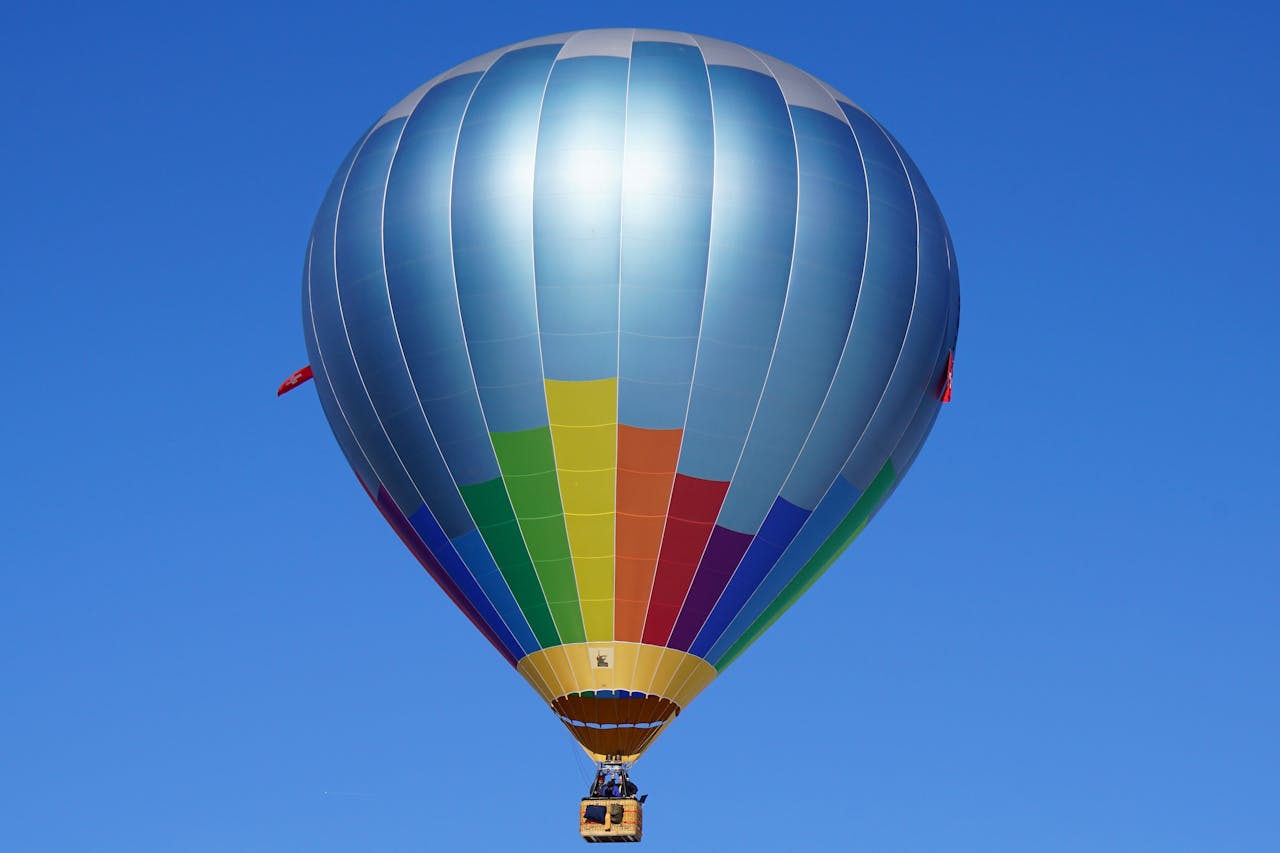
- Hot-air balloon safaris (sunrise flights + champagne breakfast)
- Walking safaris (conservancies only)
- Cultural visits (Maasai Manyatta)
- Bush meals & sundowners
- Photographic vehicle hire
MMNR Rules & Regulations
- Opening Hours: 6:00 AM Closing Hours: 6:00 PM (no movement after hours)
- Enter only through official gates (Sekenani, Talek, Ololaimutia, Oloololo, Musiara, Sand River, Purungat).
- Keep your entry receipt for inspection.
- Speed limit: 50 km/h on main roads, 30 km/h on game tracks.
- Stay on marked roads – off-road driving is prohibited except under ranger direction.
- Keep a 25 m distance from wildlife; max 5 vehicles per sighting.
- No getting out of vehicles except at designated points.
- No littering, feeding, or disturbing animals.
- No drones, loud music, or bright lights.
- Photography: No flash near animals; filming needs official permits.
- Camping: Only in designated sites; fires in controlled areas only.
- Respect Maasai communities and private conservancy boundaries.
- Report poaching, off-road driving, or illegal activities to rangers.
Safety, Health & Practical Tips
- The reserve is safe; always follow guide instructions
- Bring binoculars (8×42 or 10×42 recommended)
- Wear neutral colors; avoid bright clothing
- Malaria prophylaxis recommended
- Book early for July–October (6–9 months ahead)
🧳 Planning Your Masai Mara Safari: Practical Tips
- Trip Length:
- Minimum 3 nights recommended, 4–5 nights ideal (especially in migration season)
- Minimum 3 nights recommended, 4–5 nights ideal (especially in migration season)
- Transport Choices:
- Road: More affordable, scenic Rift Valley views
- Air: Faster, maximizes game time
- Road: More affordable, scenic Rift Valley views
- What to Pack:
- Binoculars, camera with zoom lens
- Neutral clothing, warm layers for mornings/evenings
- Sunscreen, hat, insect repellent, reusable water bottle
- Power bank (many camps have solar or limited power)
- Binoculars, camera with zoom lens
- Booking Tips:
- Reserve early (6–9 months) for July–October
- Confirm if park fees, game drives, and conservancy levies are included in your package
- Ask operators about group vs private vehicles, and maximum guests per vehicle
- Reserve early (6–9 months) for July–October
- Responsible Behaviour:
- Limit time at crowded sightings
- Avoid urging guides to break rules for a “better angle”
- Support camps and operators with clear conservation commitments
- Limit time at crowded sightings
🧳 What to Pack
- Neutral-colored clothing (lightweight for day, warm layers for cool mornings and evenings)
- Comfortable closed shoes or hiking boots for walking safaris
- Wide-brimmed hat, sunglasses, and high-SPF sunscreen
- Insect repellent and anti-itch cream (mosquitoes and tsetse flies can be active)
- Binoculars and camera with extra batteries or memory cards
- Refillable water bottle or hydration pack
- Lightweight rain jacket or poncho (especially during April–May and October–November rains)
- Travel adapter and power bank (most camps use solar or generator power)
- Personal medication and small first-aid kit
- A light scarf or buff for dust protection on game drives
- Swimwear (many lodges and camps have pools)
- Flashlight or headlamp for nights in camp
- Copy of your passport, park entry ticket, or e-visa confirmation
- Small daypack for carrying essentials during game drives
💡 Tip: Avoid bright or white clothing that can attract insects or startle wildlife — earth tones like khaki, olive, and beige are best for blending into the environment.
🐘 Conservation & Research
The Masai Mara is under immense ecological pressure — from overgrazing, land fragmentation, and climate change. Yet, hope is alive here through science and collaboration.
Key Conservation Organizations
- Mara Elephant Project (MEP): Uses tracking collars and community rangers to prevent poaching.
- Mara Predator Conservation Programme (MPCP): Studies and safeguards lion and cheetah populations.
- Maasai Mara Wildlife Conservancies Association (MMWCA): Connects over 20 conservancies, ensuring fair benefit-sharing.
- WWF-Kenya & African Wildlife Foundation (AWF): Support reforestation, corridor protection, and climate resilience.
- Narok County & KWS: Manage the reserve’s core area and enforce protection laws.
Current Initiatives
- Restoring degraded grasslands through rotational grazing
- Protecting the Mara River Basin and the Mau Forest
- Training community rangers and women scouts
- Promoting carbon-neutral lodges and waste-free tourism
- Mara Elephant Project – uses GPS tracking to monitor elephant movement
- Mara Predator Conservation Programme – studies big cat populations
- African Wildlife Foundation & WWF Kenya – support community conservation
🌿 The survival of the Mara depends on restoring the land, empowering the people, and letting wildlife move freely again.
🌿 Conservation Challenges in the Masai Mara
Despite its fame, the Masai Mara is facing serious long-term threats that affect both wildlife and local communities.
Documented Wildlife Declines (Resident Populations):
Long-term monitoring studies in the greater Mara ecosystem have recorded sharp declines in several resident species over the last 30–40 years, including:
- Giraffes: down by ~95% in parts of the ecosystem
- Hartebeest: down by ~70–80%
- Impala: down by roughly two-thirds
- Resident (non-migratory) wildebeest: down by ~80%
These trends contrast with the apparent abundance seen during tourist high season, reminding us that migration herds mask deeper structural losses.
Key Drivers of Decline:
- Fencing & Land Subdivision:
- Individual plots and wire fences block historic migration corridors, especially on the Loita–Mara side
- Individual plots and wire fences block historic migration corridors, especially on the Loita–Mara side
- Habitat Loss & Agricultural Expansion:
- Fields, settlements, and infrastructure replace former grazing and calving areas
- Fields, settlements, and infrastructure replace former grazing and calving areas
- Unregulated Livestock Grazing:
- Overgrazing, competition with wild herbivores, and disease risks
- Overgrazing, competition with wild herbivores, and disease risks
- Overtourism & Vehicle Congestion:
- Crowding around cheetah hunts, dens, and river crossings increases stress and disrupts behaviour
- Crowding around cheetah hunts, dens, and river crossings increases stress and disrupts behaviour
- Raptor & Scavenger Declines:
- Poisoning incidents, carcass contamination, and loss of nest sites
- Poisoning incidents, carcass contamination, and loss of nest sites
- Water Stress:
- Degraded catchments (e.g., Mau Forest) threaten dry-season flow in the Mara River
- Degraded catchments (e.g., Mau Forest) threaten dry-season flow in the Mara River
- Climate Variability:
- Altered rainfall patterns shift grass growth, water availability, and migration timing
- Altered rainfall patterns shift grass growth, water availability, and migration timing
What’s Working – and How Visitors Can Help:
- Community Conservancies:
- Lease models where Maasai landowners receive direct income for keeping land unfenced and open to wildlife
- Lower vehicle density, stronger ranger presence, and more flexible management tools
- Lease models where Maasai landowners receive direct income for keeping land unfenced and open to wildlife
- Responsible Operators:
- Limiting vehicle numbers, adhering to viewing guidelines, investing in local staff and guides
- Limiting vehicle numbers, adhering to viewing guidelines, investing in local staff and guides
- Visitor Choices:
- Staying in conservancy-linked camps
- Prioritizing low-impact experiences (fewer vehicles, longer stays, off-peak travel)
- Supporting reputable conservation NGOs and community initiatives
- Staying in conservancy-linked camps
MasaiMara.ke exists partly to highlight these issues and help travellers direct their money, time, and attention toward solutions that safeguard the Mara’s future.
🌍 Final Thoughts – Visit, Learn, and Protect
Masai Mara National Reserve is more than a bucket-list destination—it is a living ecosystem under pressure. The same lions, cheetahs, vultures, and wildebeest that fill coffee-table books depend on fragile corridors, community decisions, and policy choices far beyond the park boundary.
By travelling thoughtfully—choosing conservation-minded camps, respecting wildlife, and supporting Maasai-led initiatives—you become part of the reason this landscape can still thrive decades from now.
MasaiMara.ke is here to:
- Help you plan a meaningful, well-informed safari
- Provide up-to-date, field-based insight
- Connect your journey with real conservation impact
Visit. Learn. Protect.
Maasai Mara in the News:
- Higher Masai Mara game park fees send tourists to Serengeti as season starts, Business Daily, July 2024
- Kenya to close all airstrips in Maasai Mara Game Reserve
- Ruto Orders Construction of New International Airport by March 2026
- Fire Breaks Out at Maasai Mara National Reserve
- Africa’s famous Serengeti and Maasai Mara are being hit by climate change – a major threat to wildlife and tourism
- The Ritz-Carlton, Masai Mara Safari Camp Set to Offer Elevated Luxury in the Wild
- Tourists and staff evacuated from Kenya’s flood Maasai Mara national reserve
- Hoteliers pick up the pieces after Maasai Mara flooding
🌍 Join Us at MasaiMara.ke
At MasaiMara.ke, our mission is to celebrate the breathtaking beauty, cultural heritage, and extraordinary biodiversity of the Masai Mara National Reserve — while shining a light on the urgent conservation challenges it faces. The Mara is more than just a world-renowned safari destination; it is the heartbeat of Africa’s savannah ecosystem, home to the Great Migration, iconic predators, and centuries-old Maasai traditions that continue to coexist with wildlife.
Yet, the Masai Mara stands at a crossroads. Expanding human settlements, land fragmentation, and rising tourism pressure threaten the very landscapes that make it unique. That’s why MasaiMara.ke exists — to inform, inspire, and mobilize travelers, conservationists, researchers, and local communities to protect this irreplaceable ecosystem.
Whether you’re planning a visit, documenting its wildlife, or looking for meaningful ways to support conservation, MasaiMara.ke is your trusted resource for responsible travel and awareness. Together with partners such as Kambu Campers, we promote sustainable safaris and initiatives that directly benefit conservation and local livelihoods.
The Masai Mara is more than a destination — it’s a living, breathing landscape where the rhythms of nature and culture converge. Join us in preserving its magic, ensuring that the roar of lions, the thunder of migrating herds, and the stories of the Maasai people continue to echo across the plains for generations to come.
Plan Your Epic Safari Today!
With its unmatched wildlife, breathtaking landscapes, and vibrant culture, the Masai Mara promises a safari like no other. Let MasaiMara.ke be your guide to planning the ultimate adventure. Contact us to start your journey!
Best Time for Photography in Masai Mara
I haven’t been a student of photography for long—in fact, I only got into it…
Masai Mara Balloon Safari Duration
Introduction: The Timeless Thrill of Flying Over the Mara A Masai Mara balloon safari offers…
Lookout Hill Masai Mara
Lookout Hill is one of the most iconic viewpoints in the Masai Mara National Reserve,…
6-Days Masai Mara, Lake Nakuru & Amboseli Safari
🌍 Introduction This 6-day, 5-night Kenya safari combines three of the country’s most iconic wildlife…
Photography, Filming and DRone Use in Masai Mara
Masai Mara is one of the most breathtaking destinations in the world for photography and…
Elephants Masai Mara
Introduction: The Majestic Giants of the Savannah The African elephant (Loxodonta africana), the largest land…
Is June a Good Time to Visit Masai Mara?
Yes, June is an excellent month for a Masai Mara safari, earning a solid Safari…
4-Days Masai Mara Safari
Your Dream Safari Awaits – Design Your Perfect 3-Night/4-Day Adventure 🌍 Overview Experience the Masai…
10 Facts about Masai Tribe
The Maasai are one of Africa’s most iconic indigenous communities, known for their warrior culture,…
Masai Giraffes
Introduction: The Elegant Giants of the Savannah The giraffe (Giraffa camelopardalis), with its long neck,…
Masai Mara Photography Safari
Step Into a Photographer’s Paradise in the Heart of Africa Imagine standing on the golden…
Masai Mara Great Migration Safari
Experience the Spectacle of the Great Migration in Masai Mara! Imagine standing on the edge…
Masai Mara Lodges with Swimming Pools
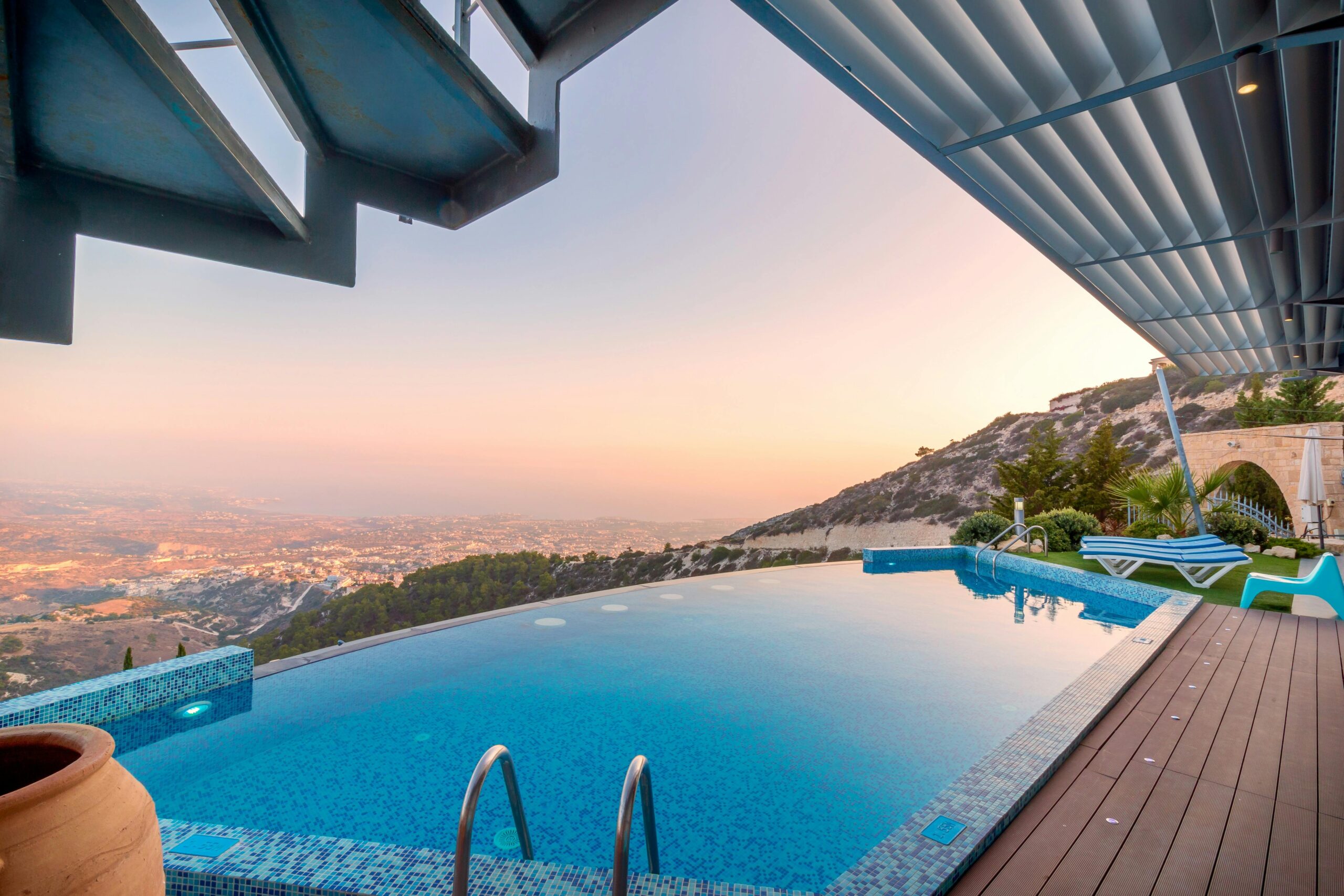
When we moved to Masai Mara to set up Kambu Mara Camp, we quickly realized…
Understanding Masai Mara Safari Packages: A Comprehensive Guide
Planning a Masai Mara safari can be exciting but also overwhelming due to the variety…
Guide to Masai Mara Family Safaris
Why Choose the Masai Mara for a Family Safari? The Masai Mara National Reserve is…
Masai Mara Safari Costs & Budget Planning: A Comprehensive Guide
Planning a Masai Mara safari requires understanding the costs involved, from transportation and park fees…
Comprehensive Guide to the Types of Masai Mara Safari Packages
Masai Mara is one of the most sought-after safari destinations in Africa, offering a variety…
Masai Mara Tour Operators
The Overwhelming Choice of Masai Mara Tour Operators Masai Mara is Kenya’s top safari destination,…
Masai Mara Balloon Operators
Before we founded Kambu Campers and Kambu Mara Camp, my parents-in-law visited us and were…
Elephants in Masai Mara
Elephants in Masai Mara are more than just majestic icons of Africa—they are the lifeblood…