The Masai Mara is Kenya’s most reliable wildlife destination—famous for big cats, open savannahs, river ecosystems, and the Great Migration. The right package is not about luxury labels; it’s about time in the field, where you stay, the vehicle you use, and the quality of your guide.
Below you’ll find fly-in safaris, Masai Mara–only road safaris (3–5 days), and Mara combo safaris (Mara + other parks)—each explained in practical terms, with who they’re best for, what you’ll experience, and when to go.
✈️ Fly-In Safaris to Masai Mara (Fast & Premium)
Flying from Wilson Airport (Nairobi) to the Mara’s airstrips takes 45–60 minutes. You skip long drives and start game viewing almost immediately.
- Vehicles in the Mara: You still use a private 4×4 Land Cruiser for game drives.
- Pros: Saves time, reduces fatigue, maximizes hours in the reserve.
- Cons: Higher cost, luggage limits (usually soft bags up to ~15 kg).
✈️ Our Fly-In Masai Mara Safari Packages
We offer two flying Masai Mara safari packages that use scheduled light aircraft flights from Wilson Airport in Nairobi to the Masai Mara. Flying is the fastest and most comfortable way to reach the reserve, saving you a long road journey and maximizing your time inside the park—especially valuable for short trips. For most groups, flying is more expensive per person than traveling by road, though for solo travelers the price difference may be less dramatic. These packages are structured around comfortable mid-range accommodation by default, but can be upgraded to luxury camps or customized to suit your travel style and budget.
- Fast transfers: Flights from Wilson Airport to the Masai Mara take about 45–60 minutes, compared to 5–6 hours by road.
- Maximized safari time: Less time traveling means more time on game drives, ideal for short stays.
- Private safari experience: All flying packages are run as private safaris with your own 4×4 Land Cruiser and driver-guide in the Mara (shared only if specifically pre-arranged).
- Comfort-focused logistics: You avoid rough road sections and arrive rested and ready for game viewing.
- Aircraft & luggage: Travel is on scheduled light aircraft with soft-bag luggage limits (typically around 15 kg per person).
- In-park vehicles: All game drives are done in a 4×4 Land Cruiser with a pop-up roof for excellent visibility and photography.
- Flexible accommodation levels: Mid-range is the default, with easy upgrades to luxury or boutique camps on request.
- Who these suit best: Travelers on tight schedules, couples, honeymooners, photographers, and anyone who values time efficiency and comfort over the lowest possible price.
🛩️ 2-Day Fly-In Masai Mara Safari (Private, High-Impact)
- Best for: Short stays, business travelers, first-time visitors who want maximum wildlife time with minimal travel fatigue
- Duration: 2 Days / 1 Night
- Start/End: Wilson Airport → Masai Mara airstrip → Wilson Airport
- Safari Type: Private safari (your group only); Shared/Group Joining: No, unless pre-arranged
- Safari Budget Level: Budget, mid-range, or luxury can be arranged (default is comfortable mid-range; upgrades available)
- Vehicle & Guide: Private 4×4 Land Cruiser with pop-up roof + professional driver-guide experienced in big-cat tracking
- Game Drives: Afternoon drive on arrival + morning drive before departure, focused on prime lion and cheetah zones
- Accommodation: Tented camp or lodge in a strong wildlife area for early access
- Wildlife Focus: Lions, cheetahs, elephants, buffalo, giraffe, zebra; seasonal migration herds
- This package is also commonly referred to as: 2-day Masai Mara fly-in safari, Masai Mara quick safari, Masai Mara by air
- This safari package is also classified as: Wildlife safari, Great Migration safari (seasonal), Photography safari, Honeymoon/Romance safari (with upgrades), Balloon safari (optional)
- When to go: Year-round; best overall wildlife July–October and January–March
- Why choose this: You trade road time for wildlife time—perfect when every hour counts
- 👉 Want to save time and still see the best of the Mara? Check it here: 2-day Masai Mara Flying Safari
🛩️ 3-Day Fly-In Masai Mara Safari (Private, Relaxed Pace)
- Best for: Travelers who want more time than 2 days without enduring long road transfers
- Duration: 3 Days / 2 Nights
- Start/End: Wilson Airport → Masai Mara → Wilson Airport
- Safari Type: Private safari; Shared/Group Joining: No, unless pre-arranged
- Safari Budget Level: Budget, mid-range, or luxury options available (default can be upgraded)
- Vehicle & Guide: Private 4×4 Land Cruiser + specialist Mara driver-guide
- Game Drives: Two to three drives, including full morning and afternoon sessions with flexible routing
- Accommodation: Camp or lodge in a prime predator area or near the Mara River
- Wildlife Focus: Big cats, Big Five, river ecosystems, plains game
- This package is also commonly referred to as: 3-day fly-in Masai Mara safari, Masai Mara air safari, luxury short safari Kenya
- This safari package is also classified as: Wildlife safari, Photography safari, Great Migration safari (seasonal), Honeymoon/Romance safari
- When to go: Excellent year-round; August–September for migration river crossings
- Why choose this: Better pacing and more chances for behavior-based sightings than a 2-day trip
- 👉 Want a fast but unrushed Mara experience? Check it here: 3-day fly-in Masai Mara safari
🚙 Masai Mara Road Safari Packages (How Most Travelers Go)
The most popular way to reach the Masai Mara is by road from Nairobi. Expect 5–6 hours of driving depending on your camp’s location and road conditions. The journey crosses the Great Rift Valley and rural highlands—great for seeing “real Kenya” outside the cities.
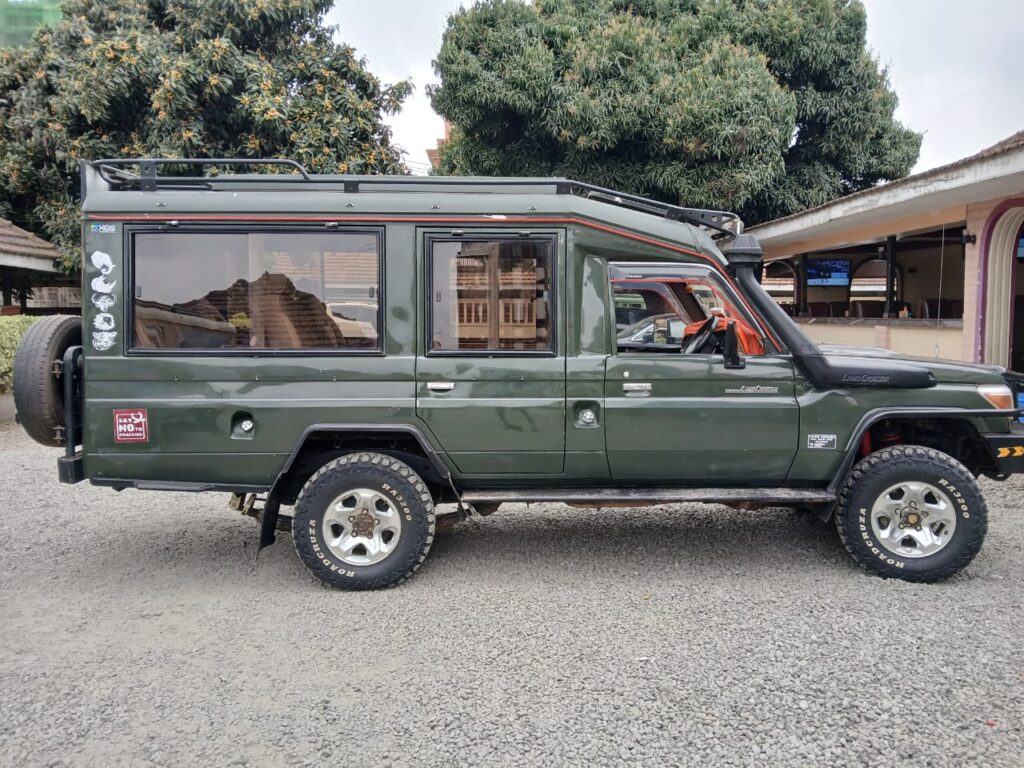
- Vehicles: The gold standard is a 4×4 Land Cruiser with a pop-up roof—strong in mud, better ground clearance, and excellent visibility at sightings. A Safari Minibus (Tour Van) is cheaper for transfers, but it’s not ideal inside the reserve during wet seasons or for serious wildlife tracking.
- Guides: A professional driver-guide makes or breaks your safari. The best guides read tracks, bird alarm calls, and animal behavior—not just radio chatter. They also manage crowds, position the vehicle ethically, and keep you safe and informed.
- Pros: Lower cost, more countryside scenery, flexible stops, no luggage limits.
- Cons: Rough road sections, longer travel time than flying.
🚙 Masai Mara Road Safari Packages (3–5 Days)
We offer three Masai Mara–only safari packages and several Masai Mara + other destinations combo packages that use road transfers between Nairobi and the Mara. Traveling by road is significantly cheaper per person than flying for most groups, making these options especially good value for couples, families, and small groups—though for solo travelers, the price difference compared to flying may be smaller.
All of these itineraries are structured around comfortable, well-chosen budget accommodations by default to keep costs down, but every package can be upgraded to mid-range or luxury camps and lodges if you prefer more comfort or a different style of stay, without changing the core safari experience or guiding standards.
- Pick-up & drop-off: You’ll be picked up from the airport or any hotel/residence in Nairobi; pick-up or drop-off outside Nairobi can be arranged but may attract an additional charge.
- Drive time: The journey to the Masai Mara typically takes about 5–6 hours, depending on road conditions and your camp’s location.
- Transfer vehicles: Transfers are done in a Toyota Noah 2WD minivan (budget option) or you can upgrade to a 4×4 Land Cruiser for the whole journey.
- Safari vehicle in the park: All game drives are conducted in a 4×4 Land Cruiser with a pop-up roof for excellent visibility and comfort.
- Optional stops en route: Photo stop at the Great Rift Valley viewpoint, comfort stop in Narok town, and an optional visit to the Ewaso Ngiro souvenir shop.
- Arrival day game viewing: Depending on your arrival time, you may enjoy game viewing on the day you arrive before heading to camp.
- What to wear: Comfortable, lightweight clothes in neutral colors, a light jacket/fleece for mornings and evenings, comfortable closed shoes, plus a hat and sunglasses.
- What to pack: Sunscreen, insect repellent, camera with extra batteries/memory cards, small daypack, personal medications, and a reusable water bottle (drinking water is provided).
🐾 3-Day Masai Mara Budget Safari (Private, Best-Value Classic)
- Best for: Budget travelers, first-timers, couples, small groups seeking maximum value
- Duration: 3 Days / 2 Nights
- Start/End: Nairobi (hotel, residence, or airport pick-up)
- Safari Type: Private safari by default; Shared/Group Joining: Possible only if pre-arranged
- Safari Budget Level: Budget by default; mid-range and luxury upgrades available
- Vehicle & Guide: 4×4 Land Cruiser with pop-up roof + experienced Mara guide (minibus may be used for transfers if requested)
- Game Drives: One extended full-day game drive (8–12 hours) covering Talek Plains, Paradise Plains, Musiara Marsh, Mara River
- Accommodation: Comfortable budget-to-midrange tented camp near Sekenani or Talek for early gate access
- Wildlife Focus: Lions, cheetahs, elephants, buffalo, giraffes, zebras, hippos, crocodiles; excellent big-cat density
- This package is also commonly referred to as: 3-day Masai Mara safari from Nairobi, Masai Mara budget safari, short Mara safari
- This safari package is also classified as: Wildlife safari, Budget safari, Great Migration safari (seasonal), Photography safari (entry level), Family safari
- When to go: All year; January–March and July–October are especially strong for predators
- Why choose this: It concentrates your budget on time in the field, not extra nights or fancy logistics
- 👉 Want the best-value classic Mara trip? Check it here: 3-day Masai Mara Budget Safari from Nairobi
🦁 4-Day Masai Mara Safari from Nairobi (Private, True Immersion)
- Best for: First-time visitors, photographers, and wildlife lovers who want depth and flexibility
- Duration: 4 Days / 3 Nights
- Start/End: Nairobi
- Safari Type: Private safari; Shared/Group Joining: No, unless pre-arranged
- Safari Budget Level: Default is comfortable mid-range; budget and luxury upgrades available
- Vehicle & Guide: 4×4 Land Cruiser + senior driver-guide skilled in predator tracking and crowd management
- Game Drives: Two full days inside the reserve plus morning/evening sessions; Talek, Musiara, Paradise Plains, Mara River
- Accommodation: Tented camp or lodge with tiered options (budget, comfort, luxury)
- Wildlife Focus: Big Five potential, strong lion/cheetah/leopard chances, river ecosystems, plains game
- This package is also commonly referred to as: 4-day Masai Mara safari, Masai Mara wildlife safari, classic Mara itinerary
- This safari package is also classified as: Wildlife safari, Photography safari, Family safari, Great Migration safari (seasonal), Balloon safari (optional)
- When to go: Year-round; August–October for migration, February–March for predator action
- Why choose this: This is the sweet spot between cost, time, and depth—enough days to wait for real behavior, not just sightings
- 👉 Want the best all-round Mara experience? Check it here: 4-day Masai Mara safari
🐆 5-Day Masai Mara Safari (Private, Photographer-Friendly Pace)
- Best for: Serious wildlife enthusiasts, photographers, travelers who want slow, strategic game drives
- Duration: 5 Days / 4 Nights
- Start/End: Nairobi
- Safari Type: Private safari; Shared/Group Joining: No, unless pre-arranged
- Safari Budget Level: Mid-range by default; budget and luxury options available
- Vehicle & Guide: 4×4 Land Cruiser (option for photography-friendly setup) + specialist guide
- Game Drives: Multiple full days with dawn and late-afternoon sessions, focused on predators and river action
- Accommodation: Single camp in a prime area or split stay between reserve and conservancy
- Wildlife Focus: Lions, leopards, cheetahs, elephants; better chances for hunts, cubs, and rare behavior
- This package is also commonly referred to as: 5-day Masai Mara safari, extended Mara safari, photography safari Masai Mara
- This safari package is also classified as: Photography safari, Wildlife safari, Great Migration safari (seasonal), Honeymoon/Romance safari (with upgrades)
- When to go: Excellent year-round; best light and action in dry seasons (Jan–Mar, Jul–Oct)
- Why choose this: More time means better light, better behavior, and fewer rushed decisions
- 👉 Want a slow, high-quality wildlife experience? Check it here: 5-day Masai Mara safari
🌍 Masai Mara Combo Safari Packages (Mara + Other Parks)
🦏 4-Day Masai Mara & Lake Nakuru Safari (Big Cats + Rhinos)
- Best for: First-time Kenya visitors who want two iconic parks in one efficient trip
- Duration: 4 Days / 3 Nights
- Route: Nairobi → Masai Mara → Lake Nakuru → Nairobi
- Safari Type: Private safari; Shared/Group Joining: No, unless pre-arranged
- Safari Budget Level: Default mid-range; budget and luxury options available
- Vehicle & Guide: 4×4 Land Cruiser + multi-park experienced guide
- Game Drives: Full day in Masai Mara + dedicated game drive in Lake Nakuru National Park
- Accommodation: Tented camp/lodge in Mara + lodge near Lake Nakuru
- Wildlife Focus:
- Masai Mara: lions, cheetahs, elephants, plains game
- Lake Nakuru: black and white rhinos, Rothschild giraffes, birdlife (flamingos seasonal)
- This package is also commonly referred to as: Masai Mara and Lake Nakuru safari, 4-day Kenya safari, Mara rhino safari
- This safari package is also classified as: Wildlife safari, Great Migration safari (seasonal), Birding safari, Family safari, Cultural visit safari (optional)
- When to go: Year-round; Lake Nakuru is excellent for rhinos in all seasons
- Why choose this: You combine Kenya’s best big-cat reserve with its most reliable rhino park
- 👉 Want big cats and rhinos in one trip? Check it here: 4-Day Masai Mara and Lake Nakuru safari
🦓 5-Day Masai Mara, Lake Nakuru & Lake Naivasha Safari (Big Cats + Rhinos + Boat & Walking Safari)
- Best for: First-time Kenya visitors, families, and couples who want a complete Kenya safari circuit with wildlife + relaxed lake experiences
- Duration: 5 Days / 4 Nights
- Route: Nairobi → Masai Mara → Lake Nakuru → Lake Naivasha → Nairobi
- Safari Type: Private safari; Shared/Group Joining: No, unless pre-arranged
- Safari Budget Level: Default budget (value-focused); mid-range and luxury options available
- Vehicle & Guide: 4×4 Land Cruiser + multi-park experienced driver-guide (same guide throughout)
- Game Drives & Activities: Full-day Masai Mara game drive + dedicated Lake Nakuru game drive + Lake Naivasha boat safari + Crescent Island walking safari
- Accommodation: Tented camp/lodge in Mara + lodge/camp near Lake Nakuru + lakeside stay in Naivasha
Wildlife Focus:
- Masai Mara: lions, cheetahs, leopards (chance), elephants, buffalo, plains game; Great Migration (seasonal)
- Lake Nakuru: white rhinos (high probability), black rhinos (possible), Rothschild giraffes, birdlife (flamingos seasonal)
- Lake Naivasha: hippos, fish eagles, waterbirds; Crescent Island walking with giraffes and zebras
- This package is also commonly referred to as: 5-day Kenya safari, Masai Mara Nakuru Naivasha safari, Mara + lakes circuit safari
- This safari package is also classified as: Wildlife safari, Family safari, Birding safari, Great Migration safari (seasonal), Photography safari, Cultural visit safari (optional), Walking safari (Crescent Island), Boat safari (Naivasha)
- When to go: Year-round; Jul–Oct adds migration potential in the Mara; Jan–Mar offers excellent predator viewing and clearer skies; Apr–Jun is greener with fewer crowds
- Why choose this: You get Kenya’s best big-cat ecosystem, its most reliable rhino park, and the Rift Valley’s best “slow safari” activities—boat + walking—without rushing
👉 Want the full Kenya circuit in 5 days? Check it here: 5-Day Masai Mara, Lake Nakuru and Lake Naivasha safari
🐘 6-Day Masai Mara, Lake Nakuru & Amboseli Safari (Kenya Highlights Circuit)
- Best for: Travelers who want Kenya’s three most famous ecosystems in one well-paced journey
- Duration: 6 Days / 5 Nights
- Route: Nairobi → Masai Mara → Lake Nakuru → Amboseli → Nairobi
- Safari Type: Private safari; Shared/Group Joining: No, unless pre-arranged
- Safari Budget Level: Default mid-range; budget and luxury options available
- Vehicle & Guide: 4×4 Land Cruiser + senior guide experienced across multiple ecosystems
- Game Drives:
- Masai Mara: big cats and plains game
- Lake Nakuru: rhinos and birdlife
- Amboseli: large elephant herds with Mount Kilimanjaro backdrops
- Accommodation: Lodges or tented camps in each park, chosen by budget level
- Wildlife Focus: Big Five potential, rhinos, elephants, diverse landscapes, classic scenery
- This package is also commonly referred to as: Masai Mara Nakuru Amboseli safari, 6-day Kenya safari, Kenya highlights safari
- This safari package is also classified as: Wildlife safari, Great Migration safari (seasonal), Photography safari, Family safari, Honeymoon/Romance safari
- When to go: Excellent year-round; Amboseli is best in dry seasons for clear Kilimanjaro views
- Why choose this: It’s the best single-trip overview of Kenya’s flagship parks
- 👉 Want the full Kenya safari experience? Check it here: 6-Day Masai Mara, Lake Nakuru, and Amboseli safari
If you’re in your planning stages and wondering which month is best to go on a Masai Mara safari, check out our comprehensive guide on the best time to visit Masai Mara
To know all the wildlife and biodiversity in Masai Mara NR, check out out guide on Animals/Mammals in Masai Mara you can see on a safari/game drive.
To get a good understanding of how a game viewing safari in Masai Mara is, check out our full guide to Masai Mara game drives.
Other related helpful topics:
[chbs_booking_form booking_form_id="23598"]