Wildlife Corridors

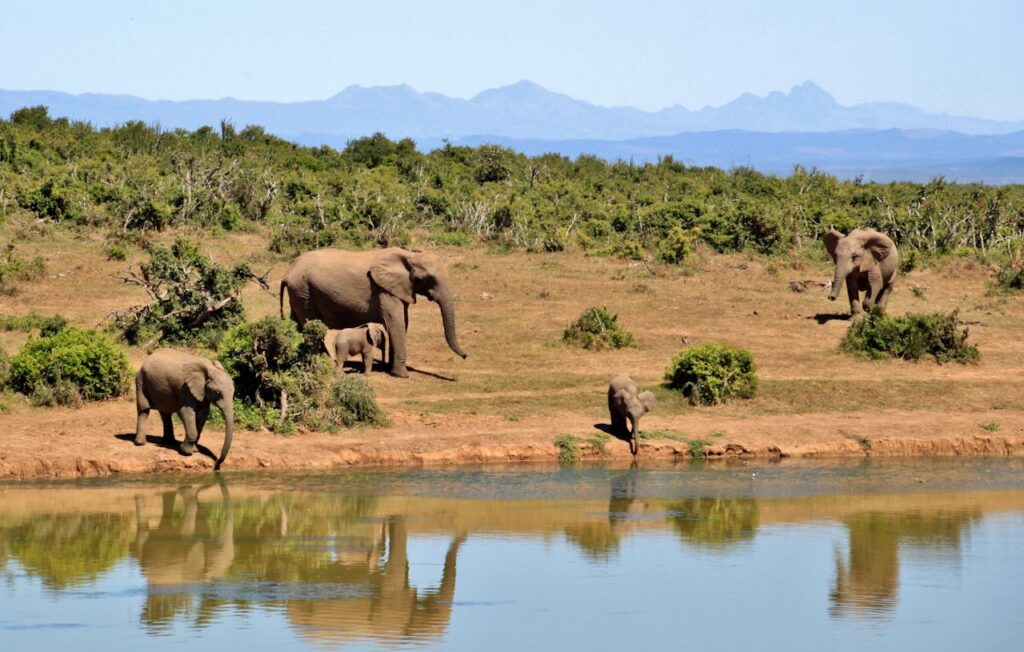
Wildlife corridors are crucial natural pathways that allow animals to move between different habitats for migration, breeding, and accessing food and water sources. These corridors are essential in maintaining ecological balance, genetic diversity, and species survival. Without them, animals can become isolated, leading to inbreeding, resource depletion, and increased human-wildlife conflict. What are Wildlife Corridors?

Wildlife Corridors Read More »

Mara Triangle

1. Introduction to Mara Triangle The Mara Triangle is one of the most pristine and well-managed areas within the greater Masai Mara ecosystem, situated in the southwestern part of the Masai Mara National Reserve. It covers approximately 510 square kilometers and is bordered by the Mara River to the east and the Oloololo Escarpment to

Mara Triangle Read More »

Overcrowding in masai maras

Overtourism in Masai Mara – Will the Management Plan Sort it?

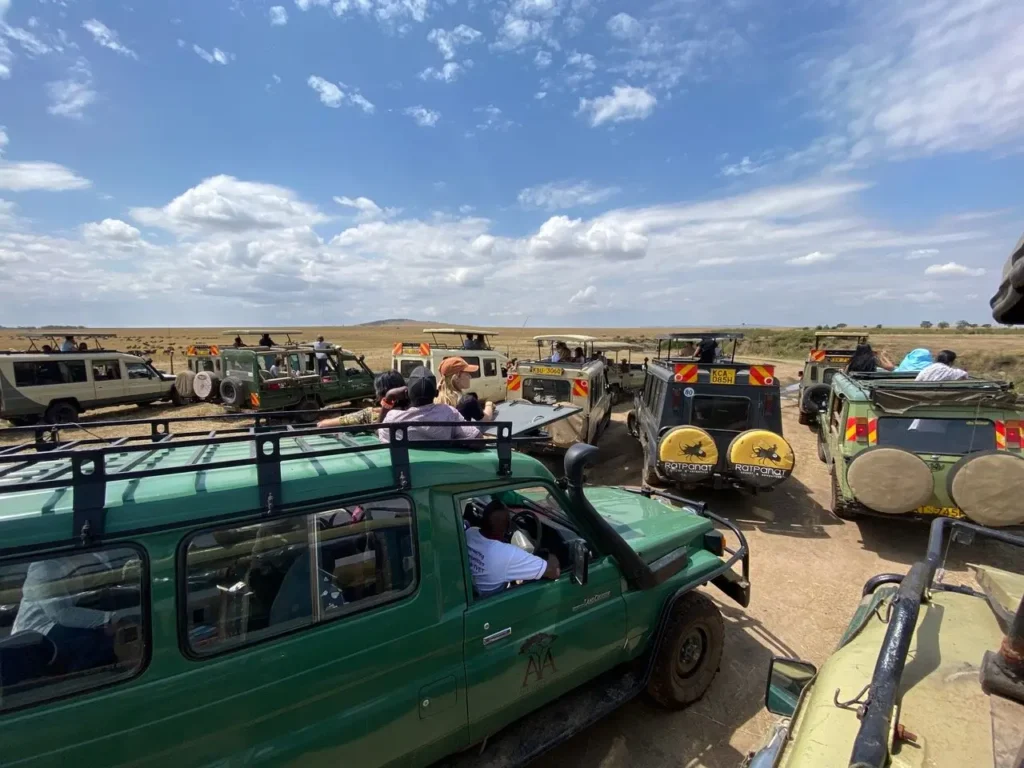
Overtourism in the Masai Mara NR is threatening the reserve’s delicate ecosystems, especially during peak seasons like the Great Migration. The surge in tourist numbers has led to overcrowded safari vehicles, disrupting wildlife behaviors and migration patterns. Predators are often forced to abandon kills, and the presence of too many vehicles at river crossings causes

Overtourism in Masai Mara – Will the Management Plan Sort it? Read More »

elephant-herd-of-elephants-animals-african-bush-elephant-52717-52717.jpg

Masai Mara Ecosystem

The Masai Mara Ecosystem is globally recognized for its ecological diversity and significance, particularly as the host of the Great Migration and a haven for the Big Five. Located in southwestern Kenya, bordering Tanzania’s Serengeti National Park, this ecosystem spans 1,510 square kilometers within the Masai Mara National Reserve. Beyond its abundant wildlife, the Masai

Masai Mara Ecosystem Read More »

performance of electric safari vehicles in bad roads and weather

How EV Safari Vehicles Perform in Extreme Weather

Electric vehicles (EVs) have unique challenges and advantages when it comes to performance in extreme weather conditions, such as high heat, freezing temperatures, or wet environments. Here’s how EVs typically perform in such conditions: 1. Cold Weather Performance 2. Hot Weather Performance 3. Wet or Humid Weather 4. High Altitudes How does EV Safari Cars

How EV Safari Vehicles Perform in Extreme Weather Read More »

6 Benefits to Electric Safari Vehicles

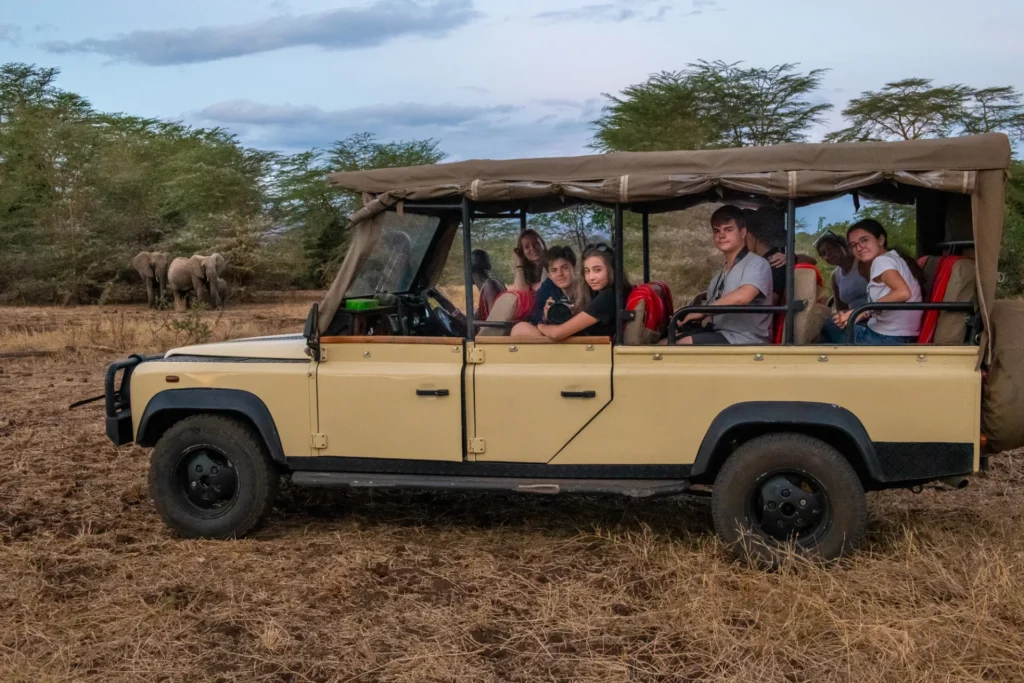
The environmental benefits of electric vehicle (EV) safaris are substantial, particularly in sensitive ecosystems like those found in Africa’s national parks and wildlife reserves. This guide goes through those benefits for those retrofitted cars fitted with EV module or EV safari vehicles originally designed to use electricity instead of fossil fuels such as Rivian Electric

6 Benefits to Electric Safari Vehicles Read More »

Masai Mara Conservation: How Wildlife, Communities, and Land Use Shape One of Africa’s Most Important Ecosystems

The Masai Mara National Reserve is not just a wildlife destination—it is the ecological core of a much larger, living landscape where conservation success depends on community land use, wildlife movement, governance, and tourism economics. Together with surrounding community conservancies and cross-border linkages to the Serengeti National Park, the Mara forms one of the most

Masai Mara Conservation: How Wildlife, Communities, and Land Use Shape One of Africa’s Most Important Ecosystems Read More »

Two Approaches to Electric Safari Vehicles – Retrofitting vs. Full Electric Purchase

As electric vehicles (EVs) gain popularity in the safari industry, particularly in Kenya, there are two primary ways to acquire an EV: retrofitting an existing vehicle or buying a fully electric vehicle. Both options have their own advantages, costs, and suitability for safari operators. Here’s a detailed comparison of the two approaches, helping camps decide

Two Approaches to Electric Safari Vehicles – Retrofitting vs. Full Electric Purchase Read More »

Scroll to Top