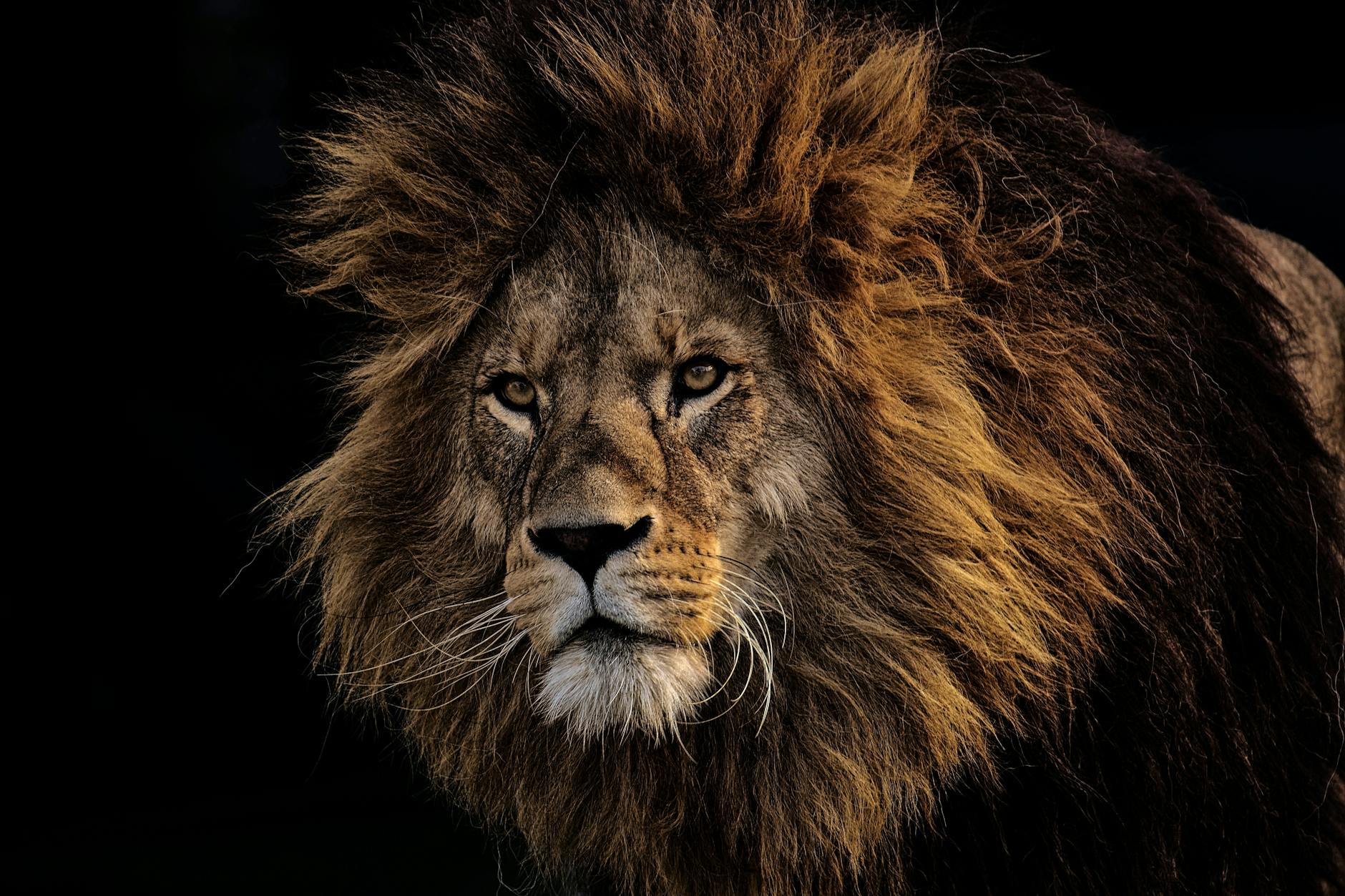
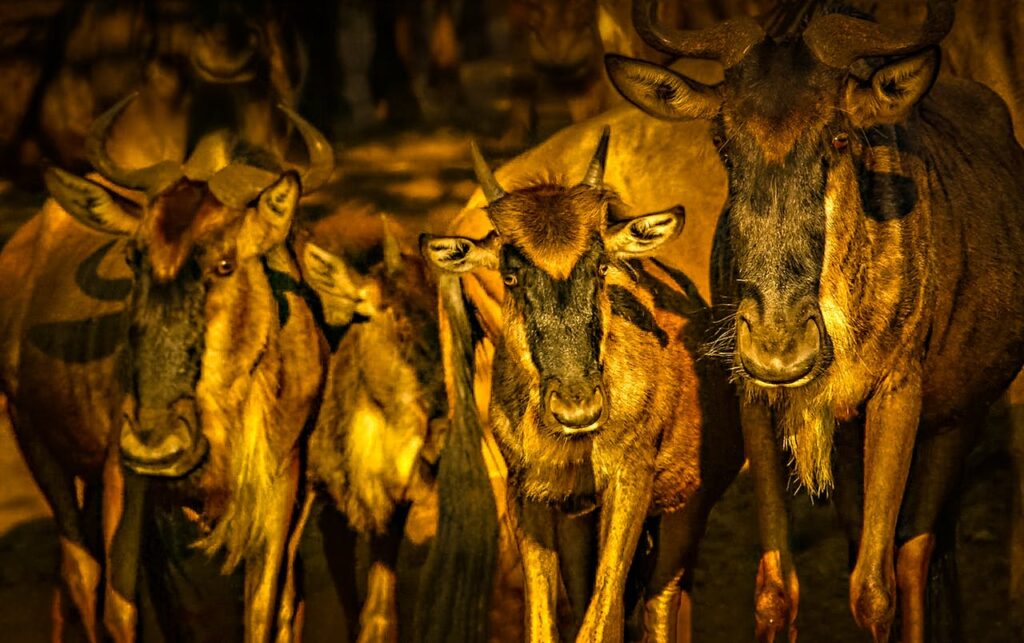
The Great Migration of wildebeest in the Masai Mara is one of the reserve’s defining attractions and the primary reason it is famous worldwide, often described as the “Eighth Wonder of the Natural World.” Each year, more than a million wildebeest—followed by hundreds of thousands of zebras and gazelles—move into the Mara from the wider Serengeti ecosystem in search of fresh grazing and water, turning the reserve into the northern stage of one of the planet’s last great wildlife movements.
This is not just a tourism highlight, but a fundamental ecological process that shapes predator populations, grassland health, and the seasonal rhythm of life in the Masai Mara. To understand what makes the Mara unique—its wildlife density, its dramatic river crossings, and its global conservation significance—is to understand the Great Migration, because the two are inseparably linked within the same living landscape.
1) Great Migration Overview
What is the Great Migration?
The Great Migration is the largest remaining terrestrial wildlife movement on Earth, involving the annual, circular journey of vast herds of grazing animals across the Serengeti–Mara ecosystem in northern Tanzania and southwestern Kenya. It is most famous for the mass movement of wildebeest, but the migration also includes large numbers of plains zebra and gazelles, followed closely by predators and scavengers that depend on this seasonal abundance.
Rather than a single event, the Great Migration is a year-round ecological process: animals are constantly on the move, tracking rainfall, fresh grass, and water across a landscape that spans roughly 30,000 square kilometers. The Masai Mara represents one of the most dramatic chapters of this cycle, especially during the river-crossing season, but it is only one part of a much larger system.
This is why the phenomenon is often called the “World’s greatest wildlife spectacle”—not just for its scale, but for the way it still operates largely through natural ecological drivers rather than human management.
Why the Migration Happens: Rainfall and Grazing Cycles
The migration is driven primarily by rainfall patterns and grass quality. In East Africa’s savannah ecosystems, rain does not fall evenly throughout the year or across the landscape. When seasonal rains arrive in one area, grasses grow rapidly and become rich in nutrients. As those grasses dry out or are overgrazed, the herds move on in search of fresher pastures elsewhere.
Wildebeest, in particular, are highly specialized grazers that depend on short, nutrient-rich grasses. Zebras, which can tolerate coarser grass, often move slightly ahead of the wildebeest and help open up the sward, while gazelles follow behind, feeding on the regrowth. This creates a moving grazing system that shapes vegetation patterns, supports predators, and recycles nutrients across the ecosystem.
In simple terms: the animals follow the rain, and the predators follow the animals.
The Annual Migration Route: Serengeti → Mara → Serengeti
The migration follows a broadly clockwise loop through the Serengeti–Mara ecosystem:
- Southern Serengeti (Tanzania): The cycle begins with the calving season on the short-grass plains, where mineral-rich soils support the growth of highly nutritious grasses.
- Central and Western Serengeti: As the dry season develops, herds move northwest, often crossing the Grumeti River and spreading through the central and western corridors.
- Northern Serengeti and Masai Mara (Kenya): By mid-year, many herds reach the northern parts of the ecosystem and cross into the Masai Mara, where more reliable dry-season grazing and water are available. This is when the famous Mara River crossings typically occur.
- Return south: With the onset of short rains later in the year, the herds gradually turn back south toward the Serengeti, completing the cycle.
Importantly, not all animals move as one single mass. Different groups arrive, depart, and circulate at different times, which is why wildlife viewing opportunities can remain excellent across many months rather than a single “perfect” week.
How Many Animals Are Involved?
The Great Migration typically includes:
- ~1.2 to 1.5 million wildebeest
- ~200,000 to 300,000 plains zebra
- ~300,000+ gazelles (mainly Thomson’s and Grant’s)
These herbivores are accompanied by large numbers of lions, cheetahs, leopards, hyenas, crocodiles, vultures, and other scavengers, all of which depend—directly or indirectly—on the seasonal concentration of prey.
From an ecological perspective, this mass movement represents an enormous transfer of biomass and nutrients across the landscape, making the migration one of the key processes that keeps the Serengeti–Mara ecosystem functioning.
Historical and Ecological Significance
Historically, the migration has shaped:
- Predator populations and territories
- Grassland structure and regeneration
- Riverine ecosystems through nutrient inputs
- Human land use patterns, especially pastoral grazing systems that evolved alongside wildlife movements
Ecologically, the Great Migration is often cited as one of the last intact large-mammal migration systems on the planet. Many similar migrations elsewhere in the world have collapsed due to fencing, settlement, agriculture, and infrastructure. The continued existence of the Serengeti–Mara migration depends on open corridors, functional rivers, and coordinated conservation across borders.
Serengeti vs Masai Mara: What’s the Difference?
Although they are part of the same ecosystem, the Serengeti and the Masai Mara play different roles in the migration:
- The Serengeti (in Tanzania) hosts the largest portion of the migration for most of the year, including the crucial calving season, when hundreds of thousands of calves are born within a few weeks.
- The Masai Mara (in Kenya) is most famous for the dry-season phase, when large numbers of animals move north and concentrate around the Mara River and surrounding grasslands. This is when the most dramatic and well-known river crossings often occur.
In short: the Serengeti is the engine room of the migration, while the Masai Mara is its most visually dramatic stage.
2) Migration Calendar & Timing
Month-by-Month Migration Timeline
While exact timing varies each year with rainfall, the migration generally follows this pattern:
- January – March:
The herds are mostly in the southern Serengeti. This is the calving season, when hundreds of thousands of wildebeest calves are born. Predator activity is intense, but river crossings are not part of this phase. - April – May:
As the long rains taper off, herds begin moving north and northwest through the central Serengeti. This is a transition period, often with lush landscapes and fewer tourists, but more dispersed herds. - June:
Many animals reach the western and northern Serengeti. Some cross the Grumeti River, and the overall movement becomes more directional toward Kenya. - July – October:
This is the period most associated with the Masai Mara phase of the migration. Large numbers of animals enter the Mara ecosystem, and this is when the famous Mara River crossings are most likely to occur. Herds spread across the Mara’s plains, with constant movement between grazing areas and water. - November – December:
With the short rains, the herds gradually move back south toward the Serengeti, dispersing across the northern and central parts of the ecosystem before returning to the southern plains.
Best Months in the Masai Mara: July to October
For visitors focused specifically on the Masai Mara, the best months to see large concentrations of migratory herds are usually July, August, September, and October. During this period:
- Grazing pressure and water availability draw animals into the Mara
- Predator activity is high due to the abundance of prey
- The chance of witnessing river crossings is at its highest (though never guaranteed)
That said, even within these months, daily movement is unpredictable. Some days may feature dramatic crossings; others may involve long periods of grazing, resting, or slow directional movement.
River Crossing Season: What It Really Means
The phrase “wildebeest crossing season” usually refers to July–September, but crossings can occur:
- Earlier or later, depending on rainfall
- At different points along the Mara River and its tributaries
- In bursts separated by days of waiting or milling around
Crossings are not scheduled events. Herds may approach the river, retreat, change direction, or wait for hours or days before committing. This unpredictability is a normal—and ecologically important—part of the process.
Calving Season: The Southern Serengeti Counterpart
The calving season (roughly January–February) takes place mainly in the southern Serengeti, not in the Masai Mara. This phase is critical for the population dynamics of the migration:
- A very high proportion of calves are born within a short window
- This overwhelms predators through sheer numbers (predator swamping)
- Predator–prey interactions are especially intense, but in a different way than during river crossings
For travelers, calving season offers extraordinary predator sightings, but it is not a Masai Mara–based experience in most years.
Dry Season vs Green Season
- Dry season (roughly June–October):
- Higher animal concentrations in the Mara
- Easier wildlife viewing due to shorter grass
- More dust, more vehicles, higher prices
- Green season (roughly November–May):
- Lush landscapes and dramatic skies
- More dispersed wildlife, fewer crowds
- Better birdlife and photography light
- Lower costs, but fewer mass-herd scenes in the Mara
Both seasons have strong ecological and photographic value—the difference is density and drama versus space and subtlety.
Year-to-Year Variability: Why There Are No Guarantees
The Great Migration does not run on a fixed calendar. Rainfall patterns can shift:
- When herds arrive in the Mara
- How long they stay
- Where they concentrate
- When and where river crossings occur
This is why experienced guides talk in terms of probabilities, not promises. The system remains dynamic, and that variability is actually a sign that the ecosystem is still functioning as a natural, rain-driven landscape rather than a managed or artificial one.
2026 Great Migration Dates in Masai Mara:
For 2026, the Great Migration in Kenya’s Masai Mara is expected to follow its well-established seasonal pattern, with the core migration presence building from late July and lasting into early October. Within this broader window, the most reliable peak period for dramatic Mara River crossings is estimated to fall between August 15 and September 5, when herd density is typically at its highest and crossing attempts are most frequent.
During these weeks, large concentrations of wildebeest, accompanied by zebras and gazelles, are usually spread across the central and northern Mara and repeatedly test and cross the river as they move between grazing areas. As always, the exact timing and intensity of crossings will still depend on rainfall, river levels, and herd behavior, but this mid-August to early-September window represents the best statistical bet for visitors planning a peak Great Migration safari in the Masai Mara in 2026.
Where to See the Great Migration in Masai Mara
The Masai Mara is not a single uniform landscape. It is a mosaic of river systems, open plains, marshes, and woodland edges, and the migration uses these areas in different ways depending on rainfall, grazing pressure, and predator movements. Knowing where to focus your game drives can make the difference between seeing scattered herds and witnessing truly dramatic concentrations of wildlife.
Mara River – The Iconic Crossing Points
The Mara River is the most famous stage of the Great Migration. Its steep, muddy banks and deep channels create the setting for the dramatic river crossings that define many people’s image of the migration.
Here, thousands of wildebeest and zebras may gather for hours—or even days—before suddenly surging into the water. The crossings are chaotic and dangerous:
- Strong currents can sweep animals downstream.
- Steep exit banks cause pile-ups and exhaustion.
- Large Nile crocodiles wait in ambush, taking advantage of the dense, panicked herds.
Despite the drama, it’s important to understand that crossings are brief and unpredictable. A crossing might last five minutes after two days of waiting, or multiple crossings may happen in different spots along the river on the same day. This is why experienced guides focus on movement patterns and herd behavior, not just fixed viewpoints.
Mara Triangle
The Mara Triangle, located west of the Mara River, is one of the most reliable areas for high-quality migration viewing. It is known for:
- Lower vehicle density compared to the central reserve
- Excellent predator populations, especially lions and spotted hyenas
- Open grasslands that attract large grazing herds during the dry season
Because of stricter management and fewer lodges, the Triangle often offers a more exclusive and less congested safari experience. When herds are present, predator action can be intense, with frequent hunting attempts around grazing concentrations and river approaches.
Talek & Sand River Corridors
The Talek and Sand River systems form key movement corridors between the Serengeti and the Masai Mara. These areas are especially important during the arrival and departure phases of the migration.
They are also famous for big cat territories:
- Lions use the riverine cover and nearby plains to ambush grazing herds
- Cheetahs favor the open areas for high-speed hunts
- Leopards are often found in the wooded riverine zones
Even when large river crossings are not happening, these corridors can deliver exceptional predator–prey interactions, making them some of the most consistently rewarding areas to explore.
Musiara Marsh & Paradise Plains
The Musiara Marsh and the surrounding Paradise Plains are classic grazing and predator concentration zones in the central and northern parts of the Mara.
These areas offer:
- Reliable water and green forage during the dry season
- High densities of resident lions and hyenas
- Regular use by migratory herds as they spread out to graze
Unlike the riverbanks, where action can be sudden and brief, these plains often provide longer, more stable viewing opportunities—with herds grazing, predators stalking, and scavengers waiting nearby.
Northern & Western Migration Routes
Beyond the famous hotspots, the northern and western sectors of the Mara are crucial parts of the broader migration system. These areas act as:
- Dispersal zones when herds spread out to find grazing
- Linking routes between river systems and open plains
- Quieter alternatives when central areas become crowded
For travelers who value space, landscape, and ecological context, these regions often reveal the migration as a process, not just a spectacle—showing how animals move, feed, and rest across a living, shifting ecosystem.
Mara River Crossings: What You Need to Know
The Mara River crossings are the most famous and most misunderstood part of the Great Migration. They are not scheduled events, and they do not happen in neat, predictable patterns. Understanding the ecological and behavioral forces behind them makes the experience far richer—and more realistic.
How Wildebeest Decide When to Cross
Wildebeest do not follow a leader or a plan. Crossing decisions emerge from a mix of:
- Herd pressure as thousands of animals bunch up at the riverbank
- Scent and sight cues from animals that have crossed or failed
- Fear responses to predators and steep banks
- Random triggers, where a few animals suddenly jump in and the rest follow
Often, herds will approach the river, retreat, mill around, and repeat this process multiple times before a crossing finally happens. From a scientific perspective, crossings are a classic example of collective behavior under risk, not coordinated migration “strategy.”
Crocodiles, Predators & Survival Dynamics
The Mara River is home to large Nile crocodiles, some of which have specialized in exploiting the migration. During crossings:
- Crocodiles target exhausted, injured, or isolated animals
- Strong currents increase the risk of drowning
- Lions and hyenas often wait at exit points to target weakened survivors
While these scenes can appear brutal, they are part of a natural ecological system. Predation during crossings helps regulate populations and ensures that nutrients from carcasses are returned to the river and surrounding plains, supporting fish, birds, and scavengers.
Why Some Days Have No Crossings
It is completely normal to spend a day—or several days—near the river with no crossings at all. This can happen because:
- Herds are still grazing away from the river
- Water levels or bank conditions discourage attempts
- Animals are waiting for safer or more favorable crossing points
- The main body of the migration is temporarily elsewhere
This is why experienced guides focus on tracking herd movements across the wider landscape, not just sitting at one crossing point and hoping for luck.
Best Viewing Etiquette & Ethical Safari Practices
River crossings attract many vehicles, and poor behavior can stress animals and degrade the experience for everyone. Ethical viewing includes:
- Keeping a respectful distance from the riverbanks
- Avoiding blocking animal movement corridors
- Limiting noise and engine revving
- Respecting guide instructions and park regulations
Responsible viewing helps ensure that the migration remains a natural process, not a performance shaped by tourism pressure
The Mara River crossings are the most dramatic and most misunderstood part of the Great Migration. They are not scheduled events and not daily spectacles. They are high-risk survival decisions made by herds under pressure from hunger, thirst, predators, and crowd dynamics.
Why Crossings Are Unpredictable
Several factors influence whether a crossing happens:
- Grazing conditions on either side of the river
- Rainfall patterns upstream and downstream
- River level and flow speed
- Predator positioning
- Herd psychology and density
- Disturbance from vehicles and noise
This is why:
- You can wait all day and see nothing
- Or arrive and witness three crossings in one afternoon
There is no reliable way to guarantee a crossing on any specific day.
Best Known Crossing Areas
Some river sections are more frequently used because of:
- Steep but climbable banks
- Traditional herd routes
- Suitable water depth and current
However, herds change crossing points every year and even every week. The “best” place is always where the herds are building right now, not where last year’s photos were taken.
A good guide focuses on:
- Fresh tracks
- Herd movement direction
- Current river conditions
- Real-time animal behavior, not internet checklists
How Long Crossings Last
- Some crossings last 5–10 minutes
- Others continue in waves for 30–60 minutes or more
- Often, there is:
- A burst of activity
- Then a long pause
- Then another surge
You might see:
- One dramatic mass crossing
- Or several smaller groups spread across hours
Patience is part of the experience.
Safety and Ethics of Viewing Crossings
Responsible viewing means:
- Never blocking entry or exit points
- Not crowding animals at the banks
- Keeping engines quiet and movements minimal
- Accepting when an area is too congested and moving on
Good guides prioritize:
- Animal welfare
- Guest safety
- Long-term sustainability of the migration experience
The goal is to witness, not to influence.
Wildlife Involved in the Great Migration
The migration is not just about wildebeest. It’s a continent-scale ecosystem event involving grazers, predators, scavengers, and the landscape itself.
Wildebeest (The Core Species)
- Over 1.2–1.5 million wildebeest form the backbone of the migration.
- They move primarily in response to rainfall and fresh grass.
- They are:
- Highly social
- Highly mobile
- The main driver of predator movements during migration season
Without wildebeest, there is no Great Migration.
Plains Zebra
- Around 200,000–300,000 zebras migrate alongside wildebeest.
- Zebras often:
- Move slightly ahead of wildebeest
- Graze taller grasses first, exposing shorter grass for wildebeest
- They play a key ecological role in preparing grazing for other species.
Thomson’s and Grant’s Gazelles
- Smaller but numerous, these gazelles:
- Follow behind or alongside the main herds
- Feed on shorter, more selective grasses
- They add to the sheer biomass and diversity of the migration system.
Predators: Lions, Cheetahs, Leopards, Hyenas
Migration season is a feast-and-famine cycle for predators:
- Lions dominate river exits and major herd routes
- Hyenas are relentless, highly successful hunters during crossings
- Cheetahs target the plains, especially young or separated animals
- Leopards focus on riverine forests and ambush zones
Predator density and behavior change dramatically during migration months.
Crocodiles & Hippos
- Nile crocodiles are iconic at crossings, especially in deeper channels
- Hippos are mostly passive but shape river channels and banks
- Together, they make the river a major ecological barrier and filter in the system
Vultures and Scavengers
- Vultures, marabou storks, eagles, and jackals quickly appear at kill sites
- They:
- Clean up carcasses
- Recycle nutrients
- Prevent disease spread
- The migration supports one of the largest scavenger assemblages in Africa
Ecosystem Impact of the Migration
The migration:
- Fertilizes grasslands with dung and urine
- Shapes predator populations
- Maintains grassland health through grazing pressure
- Moves nutrients across hundreds of kilometers
It is not just a wildlife show—it is a keystone ecological process for the entire Serengeti–Mara system.
Where to Stay for the Great Migration
Your accommodation choice affects access, crowd levels, cost, and flexibility more than the quality of wildlife itself.
Camps Inside Masai Mara National Reserve
Pros:
- Closest to major river sections and central plains
- Earlier access to prime areas
- No daily gate commute
Cons:
- Higher prices in migration season
- Higher vehicle density in peak areas
Best for: Travelers who want maximum time inside the Reserve and quick access to river zones.
Where to Stay for the Great Migration Inside MMNR (By Timing, Not Hype)
The Great Migration does not happen in one fixed place. Herds move with rainfall and grazing, so success depends more on smart positioning and strong guiding than on any single “migration camp.” The aim is to stay where your guide can quickly reach the most active zones that week.
July–August (early arrivals & rising crossing pressure)
Focus on fast access to the Mara River and northern/central corridors. Areas around Musiara and the central river bends allow guides to respond quickly when herds start building pressure at the water.
Good examples to consider:
- Governors’ Camp / Little Governors’ (river corridor access)
- Entim Mara Camp (close to key crossing zones)
- Kichwa Tembo Tented Camp (good access to northern movement routes)
The advantage here is shorter driving time to active areas, not a guarantee of crossings.
Late August–September (peak crossing potential)
This is the classic crossing window. You can base either:
- Near the Mara River (Reserve side) for rapid access to multiple crossing points, or
- In the Mara Triangle for wider circuits, dramatic scenery, and often fewer vehicles in some sectors.
Good examples to consider: - Governors’ Camp / Il Moran (river focus)
- Entim Mara Camp (crossing-driven positioning)
- &Beyond Kichwa Tembo or Mara Serena (Triangle-side circuits and broader coverage)
Both strategies work—the real difference is route flexibility and guide decision-making.
October (late-season movement)
Crossings become less predictable. The best safaris focus on tracking large herds, predators, and riverine ecosystems, with crossings treated as a bonus.
Good examples: central or northern Reserve camps and Triangle lodges that allow broad daily circuits rather than fixed river sitting.
November–March (calving is in southern Serengeti)
Most of the migration is in Tanzania. The Mara remains excellent, but choose camps for general wildlife quality and guiding, not “migration” marketing. Conservancy camps and well-positioned Reserve camps are often better value in this period.
The honest rule: There is no single “perfect” migration camp. Rainfall, grazing, vehicle pressure, and herd behavior change weekly. The winning formula is good location + excellent guide + flexible routing.
Camps Outside the Gates (Sekenani, Talek, Oloolaimutia)
Pros:
- More affordable
- Good access to key sectors
- Wide range of budget to mid-range options
Cons:
- Daily park entry logistics
- Slightly longer drives to some river sections
Best for: Value-focused safaris that still want strong migration chances.
Conservancy Camps (Mara North, Olare Motorogi, Naboisho, Ol Kinyei)
Pros:
- Lower vehicle density
- Strict wildlife viewing rules
- Excellent predator viewing
- Night drives and walking safaris allowed
Cons:
- Fewer river crossing points
- Conservancy fees add to cost
Best for: High-quality, low-density safari experiences that combine migration herds with outstanding predator action.
Mobile Migration Camps
Pros:
- Move with the herds
- Often closest to active areas
- Very strong positioning during peak months
Cons:
- Seasonal only
- Can be expensive
- Limited amenities compared to permanent lodges
Best for: Serious migration-focused trips with flexible routing.
Budget vs Mid-Range vs Luxury
- Budget: Outside the gates, shared vehicles, simpler camps, excellent wildlife but fewer frills
- Mid-range: Better locations, smaller camps, more comfort, stronger guiding
- Luxury: Prime locations, fly-in access, private vehicles, top-tier guiding and service
Wildlife is the same—the difference is space, comfort, exclusivity, and logistics.
Great Migration Safari Cost – What to Expect
Why Migration Season Is More Expensive
- Peak global demand (July–October)
- Limited beds in prime locations
- Higher guiding and logistics costs
- Increased park and conservancy fee impact on total package price
Budget vs Mid-Range vs Luxury Migration Safaris (Per Person, Rough Guide)
- Budget: ~$250–$450 per day
- Mid-range: ~$450–$900 per day
- Luxury: ~$1,000+ per day
Prices vary by:
- Season
- Location
- Group size
- Fly-in vs road
- Inclusions
Park Fees vs Conservancy Fees
- Masai Mara National Reserve: Daily park fees apply per person
- Conservancies: Separate nightly conservancy fees apply, but:
- You get lower vehicle density
- More flexible activities
- Better-controlled wildlife viewing
Fly-In vs Road Safari Cost Comparison
- Road safari: Cheaper, 5–6 hours from Nairobi, scenic but long
- Fly-in safari: More expensive, ~45–60 minutes flight, saves time, higher comfort
Fly-in makes sense for:
- Short trips
- Luxury stays
- Tight schedules
How Many Days You Need (3 vs 4 vs 5+ Days)
- 3 days: High pressure, limited flexibility, luck-dependent
- 4 days: Better balance, more chances, less rushed
- 5+ days: Best for:
- Tracking herd movement
- Waiting out quiet days
- Exploring multiple sectors
- Combining river time with predator and plains safaris
Migration rewards time and patience.
Safari Experience & Game Drives During the Great Migration
A Great Migration safari is not just about being in the Masai Mara at the right time—it is about how you explore the ecosystem. The structure of your game drives, the quality of guiding, the choice of routes, and respect for park rules all directly shape what you will see and how responsibly you see it.
Full-Day vs Half-Day Game Drives
Half-day game drives (usually 3–5 hours) work well for general wildlife viewing, but during the migration they can be limiting. The herds are constantly moving, and river crossings in particular are unpredictable in both location and timing.
Full-day game drives offer major advantages:
- Flexibility to track herds across large distances
- Time to wait at rivers or movement corridors without rushing back to camp
- Better chances of seeing predator–prey interactions, not just grazing herds
- Ability to cover multiple habitats in one day (plains, rivers, marshes, woodland edges)
For migration-focused safaris, full-day drives are widely considered the gold standard for serious wildlife viewing.
Private vs Shared Vehicles
Your vehicle model shapes both comfort and outcomes:
- Private vehicles allow full control over routing, pace, and time spent at sightings. They are ideal for photographers, families, and travelers focused specifically on migration behavior and river crossings.
- Shared vehicles reduce costs but require compromises on timing, viewing priorities, and how long you stay at key locations. They work best for general safaris, less so for targeted migration tracking.
During peak migration months, when conditions change daily, private vehicles offer a clear strategic advantage for following herd movements and reacting to real-time wildlife activity.
Best Routes for Migration Tracking
There is no single “migration route” inside the Masai Mara. Instead, experienced guides work a dynamic network of corridors and grazing zones, including:
- Mara River system for crossing activity
- Talek and Sand River corridors for movement and predator action
- Musiara Marsh and Paradise Plains for grazing concentrations
- Northern and western sectors for dispersal and lower vehicle density
The best routes are chosen daily, based on rainfall, grass conditions, herd location reports, and predator movements—not on fixed itineraries.
(Internal link suggestion: → Best Game Drive Routes in Masai Mara)
The Role of Expert Guides
During the Great Migration, the difference between a good safari and an exceptional one is often the guide. Expert guides:
- Read tracks, wind, and herd behavior to anticipate movement
- Communicate with other guides to understand real-time wildlife distribution
- Balance patience and mobility—knowing when to wait and when to reposition
- Interpret what you are seeing, turning sightings into ecological understanding, not just photos
In migration season, guiding is less about “driving around” and more about strategic wildlife tracking across a living landscape.
Off-Road Rules and Ethical Driving
In the Masai Mara National Reserve, off-road driving is not permitted. This is essential for:
- Protecting fragile grasslands and soils
- Preventing erosion, especially near riverbanks
- Reducing stress on wildlife during critical behaviors like crossings and hunts
In community conservancies, limited off-road driving may be allowed under strict rules—but even there, ethical operators prioritize animal welfare and habitat protection over close-up photos.
(Internal link suggestion: → Wildlife Viewing Ethics in Masai Mara)
Timing Your Drives: Morning vs Afternoon
Both periods have distinct advantages:
- Morning drives: Cooler temperatures, higher predator activity, fresher tracks, better chances of seeing hunts and river approach behavior.
- Afternoon drives: Warmer light, dramatic skies, more visible grazing behavior, and sometimes late-day river crossings.
The most effective migration safaris combine early starts with flexible, full-day coverage, adapting to where the herds and predators are actually active.
What a Mara River Crossing Game Drive Is Really Like
A crossing day is unpredictable and patience-driven.
- You usually arrive early and wait at a promising river bend—sometimes for minutes, sometimes for hours.
- False starts are normal: herds gather, retreat, regroup, and test the bank repeatedly before committing.
- When it happens, it’s often sudden and chaotic, then quiet again. Crossings usually come in short bursts, not a continuous show.
- On peak days, vehicle congestion can affect the experience. This is where a professional guide matters most—for positioning, timing, and keeping the experience ethical.
- Strong guides don’t sit at the river all day if nothing is building. They pivot to predators, plains herds, riverine wildlife, or another crossing zone—so your day still delivers real safari value.
Why some days have no crossings
Crossings are a risk decision by the herd. If grazing is good where they are, banks are unstable, predator pressure is wrong, or the herd’s movement doesn’t synchronize, they may delay for days. That’s normal migration behavior—not bad luck.
Ethical viewing matters
Responsible safaris avoid crowding animals, blocking approach routes, or pressuring herds to jump. The best experiences come from patience, space, and respect for wildlife behavior—and they’re also the most sustainable for the Mara’s future.
Transport & Logistics for a Great Migration Safari
Getting to and moving around the Masai Mara is a core part of safari planning, especially during migration season when time, access, and flexibility directly affect what you can see.
(LSIs: How to get to Masai Mara for migration, Fly-in Great Migration safari, Road trip to Masai Mara, Best vehicle for migration safari, Mara airstrips)
Road Safari from Nairobi
Traveling by road from Nairobi takes about 5 to 6 hours, depending on route, traffic, and weather.
Advantages:
- Lower cost than flying
- Scenic journey through the Rift Valley
- Easier to combine the Mara with other destinations
Disadvantages:
- Long travel day
- Less time in the reserve on arrival and departure days
For longer trips (4–5 days or more), road safaris can still work well, especially for budget and mid-range itineraries.
Fly-In Safari (Mara Airstrips)
Flying from Nairobi’s Wilson Airport to the Mara takes about 45–60 minutes, landing at airstrips such as:
- Keekorok
- Ol Kiombo
- Musiara
- Serena
Advantages:
- Maximizes time on safari
- Avoids long road transfers
- Ideal for shorter, high-end, or photography-focused trips
The trade-off is higher cost, but for migration safaris where positioning and time matter, flying can be a major strategic upgrade.
4×4 Land Cruiser vs Safari Van
- 4×4 Land Cruiser: Better ground clearance, stronger off-road performance (where permitted), more comfortable for long days, and preferred for serious migration tracking.
- Safari Van: More affordable, suitable for main tracks and general viewing, but more limited in rough terrain and river approaches.
For migration season—especially around rivers and in wet conditions—the Land Cruiser is widely considered the superior tool.
Best Gates to Enter
Common entry points include:
- Sekenani Gate – popular for central and eastern areas
- Talek Gate – good access to Talek and Sand River corridors
- Musiara Gate – ideal for northern sectors and river systems
- Oloolaimutia Gate – useful for eastern and southeastern routes
The “best” gate depends entirely on where the herds are at that time and where your camp is located.
Internal Driving Distances
The Masai Mara is larger than many first-time visitors expect. Driving from one sector to another can take 1 to 2+ hours, even without stops. This makes:
- Camp location critical
- Route planning essential
- Full-day drives more efficient during migration season
Time vs Cost Trade-Offs
In migration safaris, you are always balancing:
- Time: More time in prime areas = better chances of key sightings
- Cost: Better location, private vehicles, and flights all increase price
The most successful itineraries are built around protecting time in the ecosystem, even if that means spending more on transport or location and less on non-essential luxuries.