
A Masai Mara village tour offers visitors a unique opportunity to engage with the Maasai community, one of the most renowned indigenous groups in East Africa. Known for their vibrant culture, traditional attire, and enduring connection to the land, the Maasai people play a significant role in the Masai Mara’s heritage. A village tour not only deepens your understanding of their traditions but also supports their community through sustainable tourism.
What is a Masai Mara Village Tour?
A Masai Mara village tour, often referred to as a cultural visit, allows travelers to experience the day-to-day life of the Maasai people. The tour typically includes guided visits to a Maasai boma (homestead), interaction with community members, participation in traditional activities, and opportunities to purchase handcrafted items.
What to Expect on a Village Tour
- Warm Welcome: You’ll be greeted with traditional Maasai songs and dances, showcasing the community’s vibrant culture and hospitality.
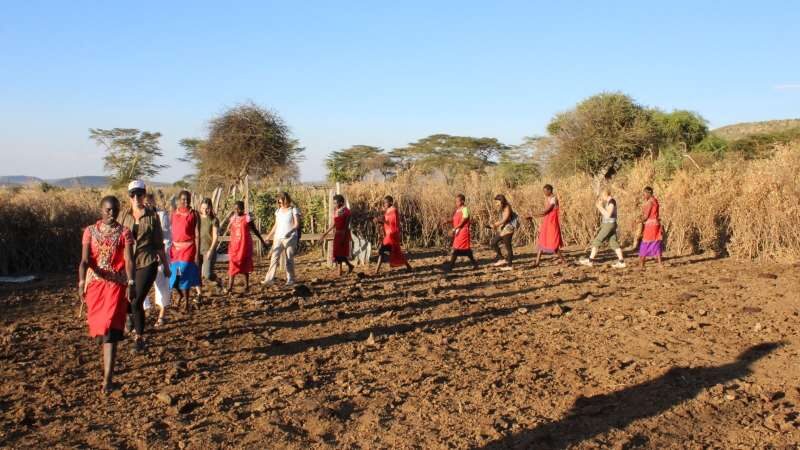
- Upon arriving at a Maasai village, expect a warm and enthusiastic welcome from the community. The villagers often greet visitors with traditional singing and dancing. Women in beautifully beaded jewelry and men dressed in bright shukas may form a procession, chanting and moving rhythmically to invite you into their community.
- Tour of a Maasai Boma: A guided walk through the village provides insight into the construction of their homes, known as manyattas, which are made from mud, sticks, and cow dung. These homes are designed to withstand the harsh conditions of the savannah.
- The Maasai live in small, dome-shaped houses called manyattas, constructed from tree branches, mud, and cow dung. These homes are typically tiny, often measuring around 3 meters in diameter and 1.5 meters in height, with low entrances to keep the interiors warm and protected from predators. Inside, expect a dark yet cozy space with minimal furnishings—just a few beds made from cowhide, a small cooking area, and a fire pit for warmth.
- Since the Maasai are semi-nomadic, these homes are temporary and built by the women of the community. The lack of electricity and running water means that traditional lighting methods, such as open fires, are still used inside the manyattas.
- Cultural Demonstrations:
- Learn about the Maasai’s pastoral lifestyle, including cattle herding and the significance of livestock.
- A Maasai guide, often fluent in English and Swahili, will explain the customs and daily life of the tribe. The Maasai traditionally rely on their cattle for sustenance, consuming milk, meat, and even blood as a primary food source. However, due to trade and modernization, they now incorporate grains like maize into their diet. While their nomadic lifestyle is slowly evolving, their deep connection to their cattle remains unchanged.
- Witness traditional skills like fire-making using sticks and stones.
- Explore their beadwork and jewelry-making traditions, which hold cultural and symbolic significance.
- Traditional Dance and the Famous ‘Adamu’ Jumping Ceremony: One of the highlights of a village tour is the adamu, a famous jumping dance performed by Maasai warriors. This dance is not just a cultural performance but a way for young men to demonstrate their strength and attract potential brides. The higher they jump, the more respect and admiration they earn. While visitors are invited to watch, only men can traditionally participate in this ritual.
- Learn about the Maasai’s pastoral lifestyle, including cattle herding and the significance of livestock.
- Storytelling and History: Elders or guides often share stories about the Maasai’s history, their relationship with wildlife, and their traditional customs, such as rites of passage and ceremonies.
- Educational Experience:
- Discover how the Maasai maintain a delicate balance between tradition and modernity.
- Learn about their efforts to preserve their culture while embracing education and conservation.
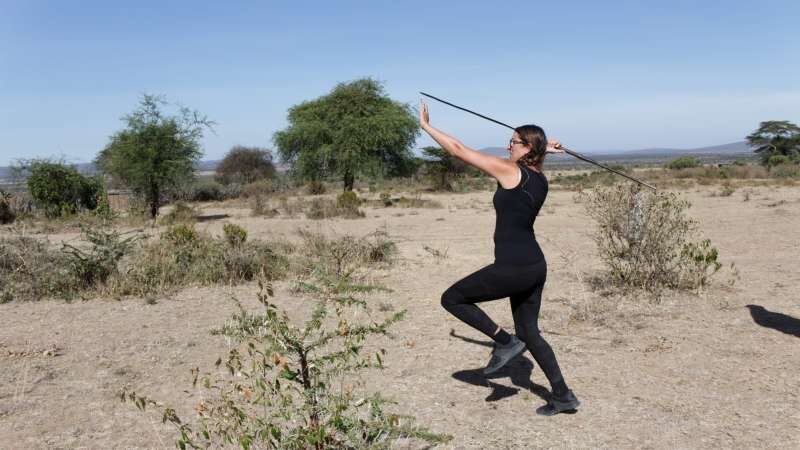
- Warrior Training and Spear Throwing: A particularly engaging part of the tour involves learning about the Maasai’s warrior traditions. Male visitors may get a chance to try their hand at spear throwing or learn how warriors train for hunting. Although lion hunting has been outlawed, warriors used to prove their bravery by taking down a lion as part of their initiation into adulthood.
- Handicraft Market: Many tours include a visit to a local market or a display of handmade goods such as jewelry, sandals, and ornaments. Purchasing these items directly supports the community.
- Near the village entrance, you’ll find a small market where Maasai women sell handcrafted beadwork, wooden carvings, and spears. These intricate items make for unique souvenirs, and purchasing them directly supports the community. Unlike some commercialized village tours, most authentic experiences allow you to browse without pressure to buy.
- Optional Activities: Some tours offer opportunities to participate in Maasai activities, such as:
- Warrior dances: Learn about their symbolic meanings.
- Milk collection: Observe their traditional milking process.
- Cattle herding: Experience a glimpse of their daily routines.
Review of Masai Village Visit
Embarking on a Maasai village tour can be a deeply enriching experience, offering a window into the traditions and daily life of the Maasai people. However, traveler feedback highlights both advantages and potential drawbacks to consider. Here’s an objective overview based on various reviews:
Pros:
- Cultural Immersion: Many visitors cherish the opportunity to engage directly with the Maasai community. Activities such as participating in traditional dances, learning about daily routines, and even assisting in herding livestock provide authentic insights. As one traveler noted, “We got to see many aspects of daily living of Masai people. We enjoyed the dance, music, and food.”
- Warm Hospitality: Numerous reviews highlight the genuine warmth and friendliness of the Maasai hosts. Guests often feel welcomed and appreciated, enhancing the overall experience. A reviewer shared, “The Maasai people were very welcoming and friendly, and my guide Simon was extremely accommodating in explaining the Maasai culture to me.”
- Educational Value: Tours often provide in-depth knowledge about Maasai traditions, social structures, and survival techniques. This educational aspect enriches travelers’ understanding and fosters respect for the culture.
Cons:
- Commercialization Concerns: Some travelers express discomfort with the commercial aspects of certain tours. Instances where visitors feel pressured to purchase souvenirs or make donations can detract from the authenticity. A Reddit user recounted, “Within minutes, we were surrounded by women forcing Maasai jewelry on us and demanding money in return.”
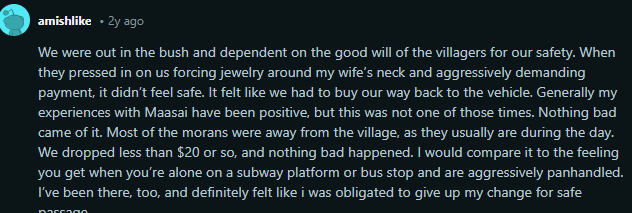
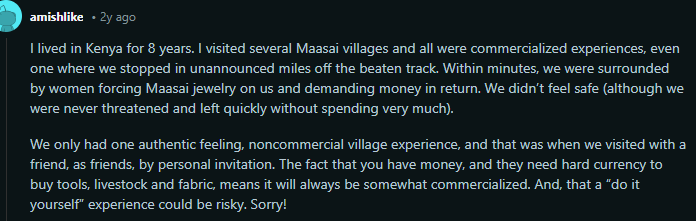
- Authenticity Issues: There are reports suggesting that some village visits feel staged or rehearsed, leading to questions about the genuineness of the experience. As one reviewer observed, “We had avoided doing this at other camps because we thought the visits looked too ‘commercial’.”
- Additional Costs: Unexpected fees can arise, such as entrance charges or mandatory contributions, which may not be clearly communicated upfront. A traveler mentioned, “What I didn’t like is that on this page the information says that we must pay 20 dollars for admission to the community but the driver asked me for 30 dollars.”
Tips for a Fulfilling Experience:
- Research Thoroughly: Select tour operators known for ethical practices and genuine community involvement.
- Set Clear Expectations: Understand the itinerary, associated costs, and the nature of interactions to ensure alignment with your interests.
- Engage Respectfully: Approach the experience with an open mind, participate actively, and show respect for cultural norms and practices.
Best Times for a Masai Mara Village Tour
- Morning or Late Afternoon: These times are cooler and more comfortable for walking around the village. The lighting during these hours also provides excellent opportunities for photography.
- Dry Season (June–October): This period offers better access to villages due to dry roads and pathways.
Tips for a Memorable Village Tour
- Respect Cultural Norms:
- Seek permission before taking photographs of people.
- Dress modestly to show respect for local customs.
- Be Open-Minded: Approach the experience with curiosity and a willingness to learn.
- Engage with the Community: Ask questions about their traditions, daily life, and future aspirations.
- Support Fair Trade: When purchasing crafts, buy directly from artisans to ensure fair compensation.
- Carry Small Bills: Many markets and villages operate on a cash basis, so having small denominations is useful.
How to Book a Masai Mara Village Tour
- Through Your Lodge or Camp: Most accommodations in the Masai Mara offer village tours as part of their activity packages.
- Local Tour Operators: Specialized operators can arrange in-depth cultural visits tailored to your interests.
- Community-Led Initiatives: Many villages directly organize tours, ensuring the proceeds benefit the local community.
What Makes a Village Tour Special?
- Cultural Immersion: Gain firsthand experience of Maasai traditions and ways of life.
- Conservation Connection: Learn about the Maasai’s role in protecting the Masai Mara’s wildlife and ecosystem.
- Community Support: Your visit helps sustain local livelihoods through responsible tourism.
- Unique Souvenirs: Bring home authentic, handmade crafts as a reminder of your experience.
Costs and Inclusions
- Cost: Village tours typically range from $20 to $50 per person, depending on the duration and activities included.
- Inclusions:
- Guided tour
- Cultural demonstrations
- Opportunities for interaction and shopping
Visiting a Maasai village is often marketed as an authentic cultural experience, offering travelers the opportunity to step into a world seemingly untouched by modernity. Yet, as tourism grows, the question arises: is this experience truly a window into Maasai life, or has it become a commercialized venture that diminishes its authenticity?
The Case for Ethical Tourism
Many argue that visiting a Maasai village supports cultural preservation and provides much-needed economic benefits to communities that traditionally rely on pastoralism. With modernization and land pressures affecting their semi-nomadic lifestyle, some Maasai villages have turned to tourism as an alternative livelihood. A well-organized village visit can provide direct income to the community, allowing them to fund education, healthcare, and other essentials.
From an ethical standpoint, these visits offer a platform for cultural exchange. Engaging in conversation with the Maasai, participating in their traditional dances, and even stepping inside their manyattas (small homes made of mud and cow dung) can foster greater understanding between cultures. Travelers gain insight into the challenges the Maasai face—ranging from land rights issues to balancing tradition with modernity—while the Maasai gain economic benefits and exposure to the wider world.
9 Ways to Have an Ethical/Responsible Visit to a Masai Village:
When visiting a Maasai village, responsible tourism is essential to ensure that your presence is respectful, mutually beneficial, and culturally sensitive. Here are expert tips to help you engage in an ethical and meaningful way:
1. Choose Community-Run or Ethical Tour Operators
Opt for tours that are organized by the Maasai community or those that clearly state how the revenue benefits the villagers. Look for tours where a portion of the fees goes towards education, healthcare, or conservation initiatives.
2. Avoid Exploitative or Staged Experiences
Be cautious of tours that feel overly commercialized, where interactions seem rehearsed rather than organic. Research in advance to find authentic experiences, such as Maji Moto Eco Camp, which is known for deep cultural immersion rather than just quick visits.
3. Ask for Permission Before Taking Photos
Not all Maasai are comfortable being photographed, and some may expect payment. Always ask before taking a picture and respect their response. A good approach is: “Naweza kupiga picha?” (May I take a photo?) in Swahili.
4. Dress Modestly and Respect Local Norms
While the Maasai wear traditional shukas, visitors should dress modestly as a sign of respect. Avoid revealing clothing and opt for neutral, respectful attire.
5. Engage with an Open Mind and Ask Meaningful Questions
Instead of treating the visit as just a sightseeing stop, take the time to learn about the Maasai’s traditions, beliefs, and challenges. Ask thoughtful questions like:\n
- “How has modernization impacted your traditions?”
- “What role does cattle play in your community today?”
- “How do young Maasai learn traditional skills?”
6. Be Culturally Aware During Interactions
- Men and women often have distinct roles in Maasai society; be mindful of this when engaging with individuals.
- If offered a traditional greeting (such as touching heads or shaking hands in a certain way), observe and follow their lead.
- Avoid imposing personal beliefs on topics like polygamy, diet, or medicine—these are deeply ingrained cultural aspects.
7. Support the Community Ethically
If you want to support the Maasai, do so in a way that empowers rather than creates dependency:\n
- Buy handmade crafts directly from artisans rather than middlemen.
- Donate responsibly—contributing to school supplies or medical programs is more impactful than giving money to individuals.
8. Decline Sales Respectfully If You Don’t Want to Buy
If you don’t wish to purchase crafts, politely say: “Asante sana, lakini sitanunua leo” (Thank you very much, but I will not buy today). Avoid prolonged bargaining if you aren’t serious about purchasing.
9. Be Mindful of Environmental Impact
- Avoid bringing plastic bottles or single-use plastics into the village.
- If you carry snacks, do not leave behind wrappers—dispose of them responsibly.
- If trekking to a remote village, follow Leave No Trace principles.
Concerns Over Commercialization
On the other hand, there is growing concern that Maasai village tours have become increasingly commercialized, reducing genuine cultural interactions to staged performances. Reports from travelers indicate that some village visits feel more like rehearsed tourist shows rather than authentic insights into daily life. The traditional dances, the beaded handicrafts, and the structured storytelling sessions can sometimes feel scripted, designed more for visitor entertainment than cultural education.
Additionally, some villages pressure tourists to purchase souvenirs or make donations, leading to uncomfortable situations where visitors feel obliged to spend money. While buying handmade beadwork can be a great way to support the community, experiences that prioritize selling over storytelling can leave travelers questioning the true purpose of their visit.
I have seen the ‘over-commercialization’ aspect first-hand:
I have observed in a lot of reviews that some tours feel rushed and overly commercialized, with villagers focusing more on selling their crafts immediately after guests have paid the entry fee.
I agree with this assessment, as I recently took some of our guests at Kambu Mara Camp to one of the manyattas near Sekenani Gate. The entire experience lasted about 40 minutes, with each guest charged $50. While the interaction was insightful, it felt hurried, and the emphasis on selling crafts made the visit feel transactional rather than immersive.
10 Ways to Politely Decline Offers to Buy Stuff in a Masai Village:
If you’re visiting a Maasai village and want to respectfully decline solicitations to buy items without offending your hosts, here are some expert tips to navigate the situation gracefully:
1. Show Appreciation First
Before declining, acknowledge the effort and craftsmanship of the items. A simple “These are beautiful, you are very talented” goes a long way in showing respect.
2. Use Polite but Firm Declinations
Instead of a blunt “no,” opt for more culturally sensitive phrases such as:
- “Asante sana, but I’m not able to buy today.” (Swahili for “Thank you very much.”)
- “I really appreciate this, but I’m traveling light and can’t carry more items.”
- “These are wonderful, but I have to stay on a budget.”
3. Avoid Engaging in Haggling If You’re Not Interested
Once you start negotiating, it signals potential interest. If you don’t plan to buy, politely decline at the start rather than after a back-and-forth on price.
4. Keep Moving or Gently Redirect the Conversation
If you linger, sellers may assume you’re still considering a purchase. You can say, “I’d love to learn more about your traditions,” or ask about their beadwork techniques to shift the focus from a sale to cultural exchange.
5. If Pressured, Use a More Direct but Respectful Approach
If persistent sellers keep trying, a firm yet warm response like:
- “I respect your work, but I truly cannot buy today.”
- “I already purchased something earlier, but thank you so much.”
6. Avoid Eye Contact with Items You’re Not Interested In
If you start picking up and examining too many items, it may signal intent to buy. Stick to browsing casually without committing interest.
7. Set a Clear Boundary with Group Sellers
If multiple people approach, acknowledge them collectively and politely say:
- “I appreciate all your work, but I won’t be buying today. Asante!”
8. Be Prepared for Emotional Appeals
Some sellers may emphasize personal or community hardships. While empathy is important, you can kindly express, “I understand, and I support in other ways when I can.” If you do want to help but not buy, consider donating to a village-run initiative instead.
9. Have a Local Guide Help You Navigate
If unsure, a local guide can assist in navigating these interactions. Some guides will help explain to villagers that you are visiting primarily for cultural exchange rather than shopping.
10. If You Want to Support, Consider a Small Purchase or Tip
If declining multiple offers feels uncomfortable, buying a small, inexpensive item (like a bracelet) or tipping for the village experience can be a compromise.
By being polite, appreciative, and firm, you can navigate Maasai village solicitations with respect while maintaining a positive cultural exchange.
Luckily, Maji Moto Eco Camp Cultural Tours Reclaims the Masai Village Visits’ Reputation:
However, I have also heard excellent feedback about the cultural immersion tour at Maji Moto Eco Camp. Unlike the quick and scripted experiences at some villages, Maji Moto offers an in-depth look into the Maasai way of life.
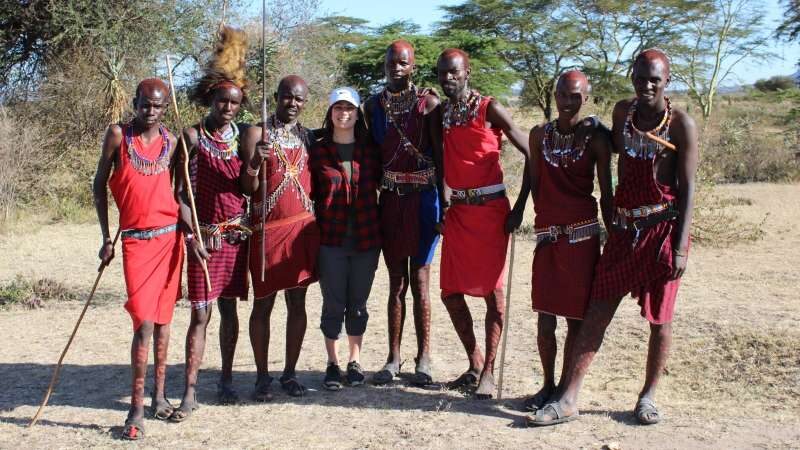
Visitors engage in meaningful conversations, try their hand at traditional skills like spear throwing and fire-making, and participate in fireside storytelling at night. The Adumu dance, a signature aspect of Maasai warrior culture, is also part of the experience, creating a more engaging and educational visit.
If you truly want an authentic and enriching experience, I highly recommend visiting Maji Moto Eco Camp.
Check out this blog by Christina Campo of Intrepid Travels titled ‘Why a visit with the Maasai people was the highlight of my Kenya trip‘ and her review of the Maji Moto Masai Village Tour.
Striking a Balance: How to Ensure an Ethical Visit
For those concerned about ethical tourism, choosing the right Maasai village visit is crucial. Here are a few tips to ensure a more genuine and mutually beneficial experience:
- Seek out community-run initiatives: Some Maasai villages manage their own tourism ventures, ensuring that profits go directly to the community rather than third-party operators.
- Research in advance: Reading reviews and seeking recommendations can help you avoid overly commercialized experiences.
- Ask questions: Engage in meaningful conversations about the Maasai’s daily life, their challenges, and their hopes for the future, rather than just watching performances.
- Be respectful: Avoid taking intrusive photos, and always ask permission before capturing images of people.
- Support sustainably: If purchasing souvenirs, do so directly from artisans rather than middlemen to ensure fair compensation.
Final Thoughts: Worth It or Not?
Ultimately, whether a Maasai village visit is ethical or commercialized depends on how the experience is structured. When done right, these visits can be enriching for both visitors and hosts, fostering cultural appreciation and economic sustainability. However, when reduced to a mere transaction—where tourists pay for an orchestrated show—the essence of the experience is lost.
For those seeking an authentic and responsible travel experience, taking the time to choose ethical operators and engaging genuinely with the community can make all the difference. A well-managed Maasai village visit can indeed be worth it, provided that it respects both the traditions of the Maasai and the dignity of those who welcome visitors into their world.
Check out this guide on Masai Village Tour to understand what to expect, fees, and booking.
Conclusion
A Masai Mara village tour is more than just a cultural experience—it’s a journey into the heart of the Maasai people’s lives. From their vibrant traditions to their commitment to conservation, these tours offer invaluable insights into a community that has coexisted harmoniously with nature for centuries. By participating, you contribute to preserving their culture while gaining an unforgettable perspective on the Masai Mara’s human heritage.
Frequently Asked Questions About Masai Village Tours
Here are some of the most common questions visitors ask about Masai village tours, with brief expert answers to help you plan and enjoy your visit.
1. How long does a Masai village tour take?
A typical Masai village tour lasts about 1 to 2 hours. This timeframe allows for a guided exploration of the village, cultural demonstrations, and interaction with the community.
2. Is it safe to visit a Masai village?
Yes, visiting a Masai village is safe. The tours are well-organized, and guides ensure that visitors feel comfortable and secure throughout the experience.
3. Can I take photographs during the tour?
You can take photographs, but always ask for permission before photographing people or private spaces. Many Maasai are happy to be photographed, especially during performances or demonstrations.
4. Do I need to bring gifts for the villagers?
It’s not necessary to bring gifts, as your participation in the tour and purchases from their markets directly benefit the community. However, if you’d like to offer something, consider school supplies or items for the community, rather than cash.
5. Are village tours suitable for children?
Yes, village tours are family-friendly and educational. Children can learn about Maasai traditions, enjoy cultural dances, and engage with the community.
6. What languages are spoken during the tour?
Guides typically speak English and Swahili, with translations provided by bilingual Maasai hosts. Communication is clear and engaging for international visitors.
7. Is the tour wheelchair accessible?
Some villages may have uneven terrain that could be challenging for wheelchairs. Check with your tour operator in advance to arrange for accessible accommodations.
8. Can I eat or drink in the village?
Some tours may include an opportunity to try traditional Maasai foods, such as milk or meat dishes, upon request. Always inform the guide of any dietary restrictions beforehand.
9. Are Masai village tours ethical?
Yes, when organized through reputable operators, village tours are ethical and support the community. Look for tours that prioritize sustainability, fair compensation, and community-led initiatives.
10. What should I wear to a Masai village?
Wear modest and comfortable clothing suitable for walking. Avoid flashy attire and stick to neutral or earth tones to respect the cultural setting. You can also buy a shuka and they can teach you how to correctly wear it.
11. Do the Maasai still practice their traditional customs?
Yes, many Maasai still uphold their traditional customs, including ceremonies, dress, and pastoral lifestyles, while also adapting to modern influences like education and conservation.
12. Can I stay overnight in a Maasai village?
Some villages offer cultural homestays or nearby eco-lodges for visitors who want a more immersive experience. These stays provide deeper insights into Maasai life and traditions.
13. Will I see wildlife during a village tour?
Villages are usually located near wildlife habitats, so you may spot grazing zebras, giraffes, or antelopes nearby. However, wildlife is not the focus of the tour.
14. What kind of handicrafts can I buy at the village?
Villages often sell handmade jewelry, beadwork, sandals, and traditional ornaments. Purchasing these items supports the community directly.
15. Can I learn Maasai songs or dances during the tour?
Yes, most tours include a chance to participate in Maasai dances or songs. You can join in under the guidance of the villagers for a truly interactive experience.
Conclusion
A Masai village tour offers an authentic glimpse into the culture and traditions of one of Kenya’s most iconic communities. By knowing what to expect and preparing in advance, you can make the most of this enriching experience while supporting the Maasai in preserving their heritage.
[chbs_booking_form booking_form_id="23598"]