MasaiMara.ke has prepared this essential Masai Mara safari preparation guide to help travelers plan safely, confidently, and responsibly for their journey into one of Africa’s most extraordinary ecosystems.
Whether you’re staying inside the Masai Mara National Reserve, basing yourself in a community conservancy, or lodging just outside key gates like Sekenani, Talek, or Oloolaimutia, these expert-backed tips cover the critical health, documentation, safety, and logistical considerations every visitor should know.
Drawing on decades of field experience, ranger insights, and best practices from safari operators across the Greater Mara Ecosystem, this guide ensures you arrive well-prepared for the terrain, wildlife, climate, and unique travel conditions that define a Masai Mara safari.
🦟 Malaria Prevention in the Masai Mara
- Malaria risk exists year-round in the Greater Mara Ecosystem (including Sekenani, Talek, Oloololo, Naboisho, Mara North, Olare Motorogi, Ol Kinyei, and adjacent communities). Read about Masai Mara Malaria Risk here.
- Recommended preventive medications include Atovaquone-Proguanil (Malarone), Doxycycline, or Mefloquine, prescribed based on your medical history.
- Apply DEET 20–30% or Picaridin during early morning and evening game drives, especially around riverine forests and marshy areas (Keekorok swamps, Talek River, Sand River).
- Wear long sleeves and trousers at dusk and dawn; many lodges around Sekenani, Talek, and Musiara provide mosquito nets — always ensure your tent is fully zipped.
- Avoid stagnant water areas near camp after rains; the Mara’s long-rain season (March–May) sees higher mosquito numbers.
💉 Vaccinations & Health Prep for a Mara Safari
- Yellow Fever vaccination is recommended for Kenya and required if arriving from a YF-risk country (common in Tanzania, Uganda, Rwanda).
- Update Tetanus, Hepatitis A/B, Typhoid, and MMR.
- Rabies vaccination is advisable if you expect close interactions with livestock areas or walk in community conservancies (e.g., Naboisho or Nashulai).
- Carry a Mara-tested medical kit: antihistamines, antacids, anti-diarrheals, oral rehydration salts, motion-sickness medication (road to Oloolaimutia and Talek can be rough), blister plasters, and electrolytes.
- High sun intensity means daily hydration and frequent application of sunscreen (SPF 30+).
🛂 Travel Documents & Entry Requirements
- Kenya requires an eTA (Electronic Travel Authorization) for nearly all visitors — apply online at least 72 hours before travel.
- Passport must be valid for 6+ months beyond your arrival date and have 2 blank pages.
- Families with children should carry birth certificates or parental consent letters—enforced more strictly at airports like JKIA and Wilson when flying to Masai Mara.
- Keep digital + hard copies of your eTA, park booking details, flight confirmations (Safarilink, Air Kenya, Governors’ Aviation, Yellow Wings), and accommodation vouchers for camps around Sekenani, Talek, or Oloololo.
🛩️ Flight-Specific Preparation (Wilson → Masai Mara)
- Mara flights use small bush planes (Cessna Caravans, Dash-8s, Twin Otters), with strict luggage limits:
- 15 kg–20 kg soft-sided bags only
- No hard-shell suitcases
- Weather around the escarpment (Oloololo) can affect landings — expect occasional diversions to nearby airstrips (Ol Kiombo, Musiara, Keekorok, Serena).
- Arrive 1 to 1.5 hours early for Wilson Airport departures; security lines can be long during migration season (July–October).
- Camps arrange airstrip pick-up, often starting your game drive the moment you land.
🚙 Safari Logistics in the Masai Mara
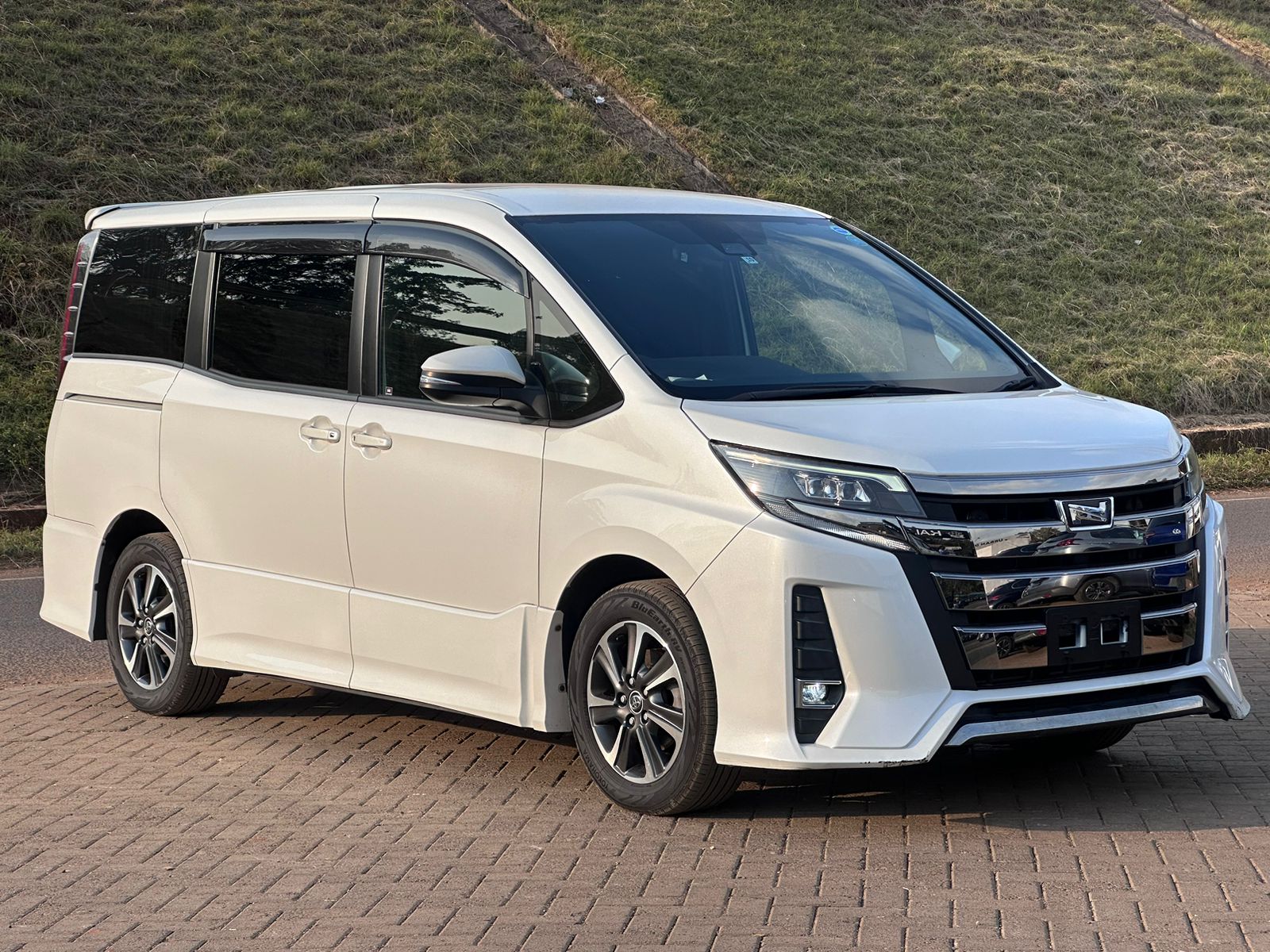
- Most game drives use 4×4 Land Cruiser safari-modified vehicles — essential for muddy sections near Talek River, Musiara Marsh, and Paradise Plains.
- Roads outside the Reserve (Sekenani, Talek, Ololaimutia) can be rough after rains; keep valuables in waterproof bags.
- Inside MMNR, follow the new Management Plan rules:
- 6:00 AM–6:00 PM entry/exit
- 12-hour validity per ticket
- No private vehicles except registered safari operators
- Max 5 vehicles per sighting
- No off-road driving except in conservancies
🧴 Climate, Seasons & Weather Preparedness
- The Mara lies between 1,500–2,100 m altitude, meaning cool mornings and warm afternoons.
- Dry seasons (Jan–Feb, Jun–Oct) offer the best visibility but dusty conditions—carry a buff/scarf.
- Wet seasons (Mar–May, Nov–Dec) bring slippery black-cotton soils — pack a light rain jacket, waterproof bag covers, and proper footwear.
- The Great Migration (Jul–Oct) increases crowds — book vehicles, camps, and balloon rides early.
📱 Communication, Money & Local Connectivity
- Buy a Safaricom SIM/eSIM for strong coverage across Sekenani, Talek, and Oloololo areas; connectivity may drop inside deep valleys or riverine forests.
- M-PESA is the primary payment method even in the Mara — ideal for tips, shops, fuel stops in Narok, and local Maasai communities.
- Carry small denominations in USD (new-series bills) for tips and emergencies.
🧳 What to Pack for the Masai Mara
- Neutral-coloured clothing (avoid whites and bright colours).
- Fleece jacket for early mornings.
- Safari hat, sunglasses, SPF 30+ sunscreen.
- Binoculars (8×42 ideal).
- Camera with spare batteries/memory cards.
- Soft-sided duffel bag (for flights).
- Hydration pack or 1L refillable water bottle.
- Flashlight/headlamp for camps around Sekenani, Talek, or Musiara.
- Rain jacket during wet season months.
- Personal medication, prescriptions, and a compact first-aid kit.
🦁 Wildlife Etiquette & Safety in the Masai Mara
- Never exit the vehicle except at designated points (Lookout Hill, some picnic sites).
- Keep 25–30 m distance from wildlife; move away if animals show signs of stress.
- Do not block migration paths, especially near Mara River crossing points (Purungat Bridge, Lookout Hill).
- Avoid crowding cheetahs — conservancy guidelines are stricter than the Reserve due to cheetah vulnerability.
- Keep food inside the vehicle—baboons and vervet monkeys are aggressive food thieves.
🚑 Emergency Planning & Insurance
- Purchase medical evacuation coverage (AMREF/Flying Doctors highly recommended).
- Know your camp’s radio call channel and the nearest ranger post (e.g., Sekenani HQ, Talek Gate, Musiara Gate).
- Share allergies or medical needs with your driver-guide before departure.
🧠 Mara-Specific “Pro Tips” from Guides & Frequent Travelers
- Start your game drives right at 6:00 AM — this is prime predator time.
- Avoid mid-day drives unless you’re doing a long full-day safari; wildlife rests in the shade.
- Carry a scarf or buff — the red Mara dust is real during dry months.
- Bring US$1–$10 bills for Maasai village visits, small tips, and souvenirs.
- Book balloon safaris early — peak migration season sees full capacity.
- If you want fewer crowds, explore areas like Olmisigiyioi, Burangat, Siana, or conservancies such as Naboisho or Mara North.
- Stay hydrated; the Mara’s altitude and sun can cause fatigue quickly.
Related: