The cost of a Masai Mara safari per day varies widely because it depends on where you stay, how you travel, how you’re guided, and what’s included in your package. In practical terms, most travelers can expect to pay anywhere from about $150–$300 per person per day on a budget shared safari, $300–$800 per person per day for a mid-range lodge or tented camp safari, and $1,000+ per person per day for high-end luxury or private conservancy experiences. These daily figures typically bundle accommodation, meals, game drives, and guiding—but park or conservancy fees, flights, drinks, and special activities can push the real cost higher or lower depending on the safari style you choose.
This guide gives you current fee ranges, and 2026-style price bands for budget, mid-range, and luxury trips—so you can compare packages apples-to-apples, avoid hidden add-ons (especially around entry rules), and design a safari that matches your budget without accidentally paying luxury prices for a mid-range build.
A Masai Mara safari price is usually the sum of:
- Accommodation + meals (often full-board)
- Safari vehicle + driver-guide (and fuel, maintenance, insurance)
- Park entry fees (MMNR) and/or conservancy fees (if staying/using conservancy land)
- Transfers (road or flight + airstrip transfers)
- Add-ons (balloon, night drive, walking safari, sundowners, village visit)
- Incidentals (drinks, tips, souvenirs, travel insurance, eTA)
SafariBookings’ own Masai Mara tour pages show how wide the market is: for example, 3-day tours start around $300 pp (camping), with mid-range ~ $500+ pp and luxury from ~ $800+ pp.
For 4-day, SafariBookings summarises typical ranges as budget ~$420–$900 pp, mid-range ~$850–$1,500 pp, and luxury from ~$1,000+ pp.
For 5-day, SafariBookings notes the cheapest budget camping can be ~$100–$150 pp/day, while high-end luxury can exceed $500 pp/day (and may exclude flights/fees at the low end).
Breakdown of Cost Items for a Masai Mara Safari(Updated 2026)
1) Accommodation: the biggest single price driver
Your choice of where you sleep usually accounts for 40–70% of the total safari cost. In the Masai Mara ecosystem, pricing is primarily driven by comfort level, location (inside reserve vs outside vs conservancy), and season.
Typical per-person-per-night ranges (sharing)
- Budget camps: $50–$100 pp/night
Simple tented camps, often outside the main reserve gates. Basic but functional rooms, shared or simple private bathrooms, and limited amenities. Examples include camps like Kambu Mara Camp or similar Talek/Sekenani-area properties. - Mid-range lodges & tented camps: $150–$250 pp/night
En-suite tents or lodge rooms, better food, more facilities (often pools, lounges, proper dining areas), and stronger service standards. Many are inside or very close to the reserve. - Luxury & premium camps: $300–$600+ pp/night (and higher in peak season)
Prime wildlife locations, larger tents or suites, high staff-to-guest ratios, gourmet dining, and often private or semi-private guiding models. In conservancies or top reserve locations, rates can exceed $1,000 pp/night in peak season.
Accommodation pricing bands (Masai Mara)
Because accommodation is the biggest line item, it helps to show per-person-per-night bands (usually sharing, full board varies).
One widely-used “rate indicator” style listing for Masai Mara camps shows examples such as ~$299 pp/night (Basecamp Masai Mara), ~$599 pp/night (Basecamp Eagle View / Naboisho) and ~$899 pp/night (Little Governors’), with higher-end camps exceeding $1,000+ pp/night.
Practical publishing bands (2026)
- Budget (outside reserve / simpler tented camps): ~$70–$180 pp/night (sometimes lower in group deals; sometimes higher in peak).
- Mid-range: ~$200–$450 pp/night
- Upper mid / “soft luxury”: ~$450–$800 pp/night
- Luxury / premium conservancy camps: ~$800–$1,500+ pp/night (and ultra-lux can be higher).
Expert insight
Staying outside the reserve is usually cheaper per night, but you then pay daily park entry fees. Staying inside the reserve or in a conservancy costs more per night, but can reduce daily logistics and sometimes includes special activities (like night drives or walking safaris in conservancies).
Extra line-item many travelers miss: some properties explicitly note a Narok County “bed night levy” (commonly shown as USD 40 per adult per night in lodge rate sheets). Whether it’s included or passed through varies by property/package—so you must check the fine print.
- Location drives base cost: Staying inside the reserve or in a private conservancy costs more than staying outside the gates because land leases, conservation fees, and operating costs are higher—and in conservancies you’re paying for lower crowd density and special access (night drives, walks).
- Exclusivity rules raise prices: Areas with strict vehicle limits per sighting host fewer guests, so the same fixed costs are shared by fewer people—this is why low-density conservancy safaris cost more per person.
- Guiding model changes the math: A private vehicle and guide means you carry the full daily cost of the car, driver, fuel, and logistics; shared drives spread that cost across guests and are therefore cheaper.
- What’s included matters as much as the room: Higher-priced safaris often bundle park/conservancy fees, drinks, laundry, flights, and activities; cheaper-looking packages usually exclude some of these, shifting costs to the guest later.
- Bottom line: Big price gaps aren’t just “luxury vs budget”—they reflect different land access, crowd density, guiding structure, and inclusion stacks that change the real cost of delivering the safari experience.
2) Park entry fees: a fixed cost that shapes itineraries
Park fees are non-negotiable and apply per person per day. They are also seasonal and differ for citizens vs non-residents.
Current widely-used planning rates
- Non-residents:
- Jan–Jun: $100 per adult per day
- Jul–Dec: $200 per adult per day
- Children (9–17): ~$50 per day
- Under 9: Free
- Kenyan citizens (indicative):
- Jan–Jun: ~1,500 KES per adult per day
- Jul–Dec: ~3,000 KES per adult per day
Why this matters in real itineraries
Because entry is charged per day, not per stay, how you structure your safari days matters. Two short half-days inside the reserve can cost more than one well-planned full-day game drive. That’s why many cost-efficient itineraries:
- Avoid entering the reserve on arrival day
- Concentrate reserve access into full, high-value game-drive days
- Use conservancies or areas outside the reserve for other activities
For non-residents in peak season, just two days inside the reserve = $400 per person in fees alone.
Important practical implication: many operators and fee guides emphasize daylight/limited-time access rules (often framed as a “day ticket” or “12-hour rule”), which can force you to buy additional entries if your itinerary doesn’t plan entries efficiently.
That’s why good itineraries often avoid entering the Reserve on arrival day and instead concentrate Reserve time into full-value days
Conservancy fees (if you are inside / using a conservancy product)
Conservancy fee quotes vary by conservancy and year, but many published rate tables cluster around ~$80–$130 per adult per night/day (often ~half for children), depending on the conservancy and operator.
Implication: conservancy-based safaris can be “quiet and premium” but the fee alone can add $160–$390 per adult across a short stay.
3) Transport to the Mara (road vs fly-in)
Road safari from Nairobi
- Usually 5–6 hours each way (traffic + road conditions matter).
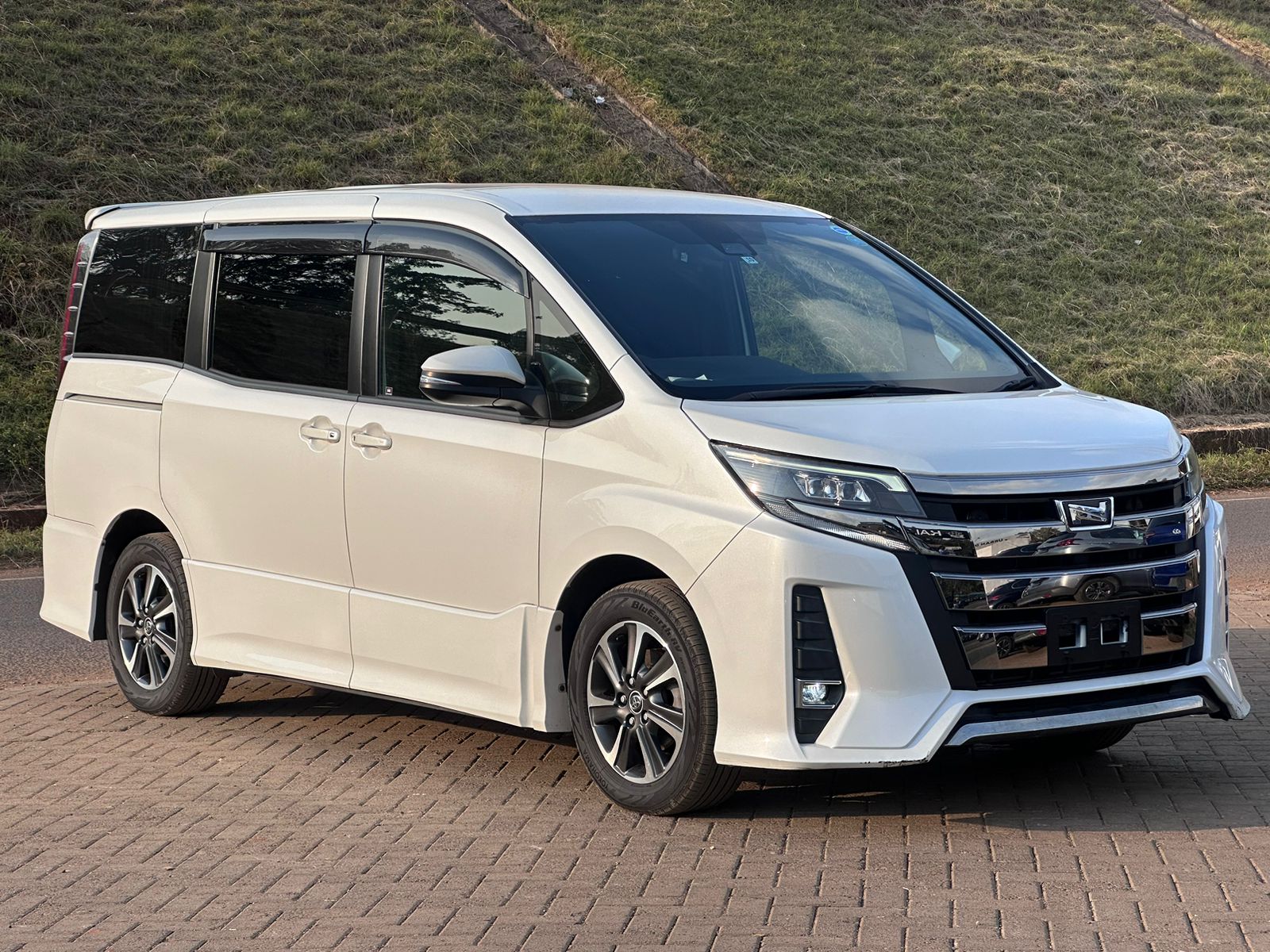
- Cost of Toyota Noah Minivan transfer is $200, $400 return of $250 one way for Land Cruiser, $500 return. Price is per vehicle, not per person,
- Cost is often “hidden” inside package pricing, but your own internal pricing structure aligns with common market behavior: the per-person impact drops sharply as group size increases.
Fly-in safari
- Often the biggest “time-saver add-on.”
- A widely published reference point is Safarilink return fares from ~USD 435 (and one-way fares commonly in the low-to-mid $200s depending on fare class/season).
- Fly-in safaris are not consider much more expensive if you are solo or a couple. It starts to be more expensive than road transfer if you’re a large group.
If you’re comparing a fly-in quote vs road quote, don’t just compare totals—compare:
- lost safari time (road days eat daylight)
- vehicle days charged (road trips often require paying a vehicle for the travel day too)
- baggage limits (soft bags often required on small aircraft)
4) Meals: full-board vs self-catering
Full-board (most safari packages)
Most lodges and camps sell full-board:
- Breakfast, lunch, and dinner included
- Often includes picnic lunches for full-day game drives
- Removes daily decision-making and surprise costs
Cost impact: Already baked into your nightly accommodation rate.
Self-catering (budget-focused option)
Some budget camps allow guests to:
- Use a shared kitchen
- Bring groceries from Nairobi or Narok
- Or buy simple meals locally
Typical food costs if paying separately:
- Budget camp meals: $10–$20 per meal
- Mid-range lodge meals: $25–$50 per meal
- Luxury lodge dining: $50+ per meal
- Picnic lunch (pre-packed): ~$15 per person
Expert insight
Self-catering can significantly reduce costs for long stays or large groups, but it trades convenience for savings. For most first-time visitors, full-board is better value and simpler.
The Real Cost of Safari Vehicles in the Masai Mara
Safari vehicle use is one of the largest and most decisive cost components of a Masai Mara safari. The daily figure is not just “renting a vehicle”—it reflects a bundle of vehicle hire, driver wages, fuel, vehicle park entry fees, and operational costs. On top of this, guests still pay park entry fees per person and, in some cases, driver entry fees, which vary by season.
With current market rates, a 4×4 Land Cruiser typically rents for $200–$300 per day, while a Toyota Hiace safari minivan averages around $250 per day. Once you add driver wages, fuel, vehicle and driver park fees, and a picnic lunch, a realistic full-day game drive for two guests usually falls in the ~$320–$820 per day range depending on vehicle type, season, and whether you are a resident or non-resident. In practice, park fees, seasonality, and vehicle choice have a bigger impact on daily safari costs than most travelers expect.
1) Core Daily Cost Components (Per Vehicle / Per Day)
| Cost Item | Typical Range |
|---|---|
| Vehicle rental (Land Cruiser 4×4) | $200 – $300 |
| Vehicle rental (Toyota Hiace safari van) | ~$250 |
| Driver wages | $15 – $25 |
| Driver tip (customary) | ~$10 per guest |
| Fuel | $27 – $40 |
| Vehicle entry fee (6–12 seats) | ~$10.15 (1,500 KES) |
| Driver entry fee (Jan–Jun) | ~$6.75 (1,000 KES) |
| Driver entry fee (Jul–Dec) | ~$13.50 (2,000 KES) |
| Picnic lunch | ~$15 per person |
2) Park Entry Fees (Per Person / Per Day)
| Visitor Type | Jan–Jun | Jul–Dec |
|---|---|---|
| Kenyan citizen (adult) | ~$10.15 | ~$20.30 |
| Non-resident (adult) | $100 | $200 |
For non-residents, park entry fees are often the single biggest daily cost driver, especially in peak season.
3) Estimated Total Daily Game Drive Cost (2 Guests)
A) Toyota Hiace Safari Minivan
Assumptions: $250 vehicle, driver $15–25, fuel $27–40, vehicle fee ~$10, driver fee $6.75–13.50, picnic lunch $30 total, plus park fees.
| Season & Visitor Type | Total (2 Guests) | Per Person |
|---|---|---|
| Kenyan (Jan–Jun) | ~$350 – $420 | ~$175 – $210 |
| Kenyan (Jul–Dec) | ~$370 – $450 | ~$185 – $225 |
| Non-resident (Jan–Jun) | ~$530 – $600 | ~$265 – $300 |
| Non-resident (Jul–Dec) | ~$730 – $800 | ~$365 – $400 |
B) 4×4 Land Cruiser
Assumptions: $200–$300 vehicle, same driver, fuel, fees, lunch, and park fees as above.
| Season & Visitor Type | Total (2 Guests) | Per Person |
|---|---|---|
| Kenyan (Jan–Jun) | ~$370 – $470 | ~$185 – $235 |
| Kenyan (Jul–Dec) | ~$390 – $500 | ~$195 – $250 |
| Non-resident (Jan–Jun) | ~$550 – $650 | ~$275 – $325 |
| Non-resident (Jul–Dec) | ~$750 – $850 | ~$375 – $425 |
4) How to Interpret These Numbers
- Toyota Hiace Safari Minivan
- Similar or slightly cheaper than a Land Cruiser at current rates
- Better for larger groups and flatter main tracks
- More limited on muddy or rough terrain
- 4×4 Land Cruiser
- More expensive but far superior off-road
- Better for remote areas, rainy season, and serious wildlife tracking
- More comfortable and flexible for long, full-day game drives
4) Cost Comparison Summary
| Factor | Land Cruiser 4×4 | Toyota Hiace Minivan |
|---|---|---|
| Daily rental cost | Higher | Slightly lower / similar |
| Off-road performance | ⭐⭐⭐⭐⭐ Excellent | ⭐⭐–⭐⭐⭐ Limited |
| Comfort & visibility | ⭐⭐⭐⭐⭐ High | ⭐⭐⭐ Medium |
| Best for | Rough terrain, photographers, private safaris | Budget groups, flatter routes |
| Typical per-person cost (non-resident, peak, 2 pax) | ~$375–$425 | ~$365–$400 |
🧠 Expert Interpretation
- Park entry fees dominate the cost for non-residents, especially July–December.
- Vehicle choice affects comfort and access more than total price at current rates.
- Sharing the vehicle (4–6 guests) dramatically reduces per-person cost.
- Low season (Jan–Jun) can save $100 per person per day for non-residents.
- For multi-day safaris, vehicle costs compound quickly, making smart routing and fewer entry days critical for budget control.
✅ Bottom Line
A realistic full-day Masai Mara game drive costs:
- Residents: ~$185–$250 per person per day
- Non-residents (low season): ~$265–$325 per person per day
- Non-residents (peak season): ~$365–$425 per person per day
…depending mainly on season, park fees, group size, and vehicle choice.
Cost of Masai Mara Safari Packages (3 Days, 4 Days and 5-Day Safaris)
Based on my review of 40+ Masai Mara safari packages listed on SafariBookings.com across multiple tour operators, the market pricing is clearly segmented by style of travel (camping vs lodge/tented camp), comfort level, and what’s included (park fees, transport, flights, private vs shared vehicle):
- 3-day Masai Mara safaris can start at roughly ~$300 per person for the cheapest camping-style options, with many mid-range packages clustering around ~$500+ per person, and luxury options commonly starting from ~$800+ per person.
- 4-day safaris typically fall into broad bands of ~$420–$900 per person (budget), ~$850–$1,500 per person (mid-range), and ~$1,000+ per person (luxury), depending on accommodation standard and inclusions.
- 5-day safaris show the widest spread: at the low end, budget camping can price out at roughly ~$100–$150 per person per day, while high-end luxury itineraries can exceed ~$500 per person per day—often higher once you add domestic flights and/or park fees if those are not bundled in the headline price.
Cost of Masai Mara Safari for Budget, Mid-range and Luxury Categories:
Based on a review of dozens of Masai Mara safari packages listed on SafariBookings.com across multiple operators, the pricing landscape is clearly structured into three broad tiers—budget, mid-range, and luxury—with wide variation driven by accommodation standard, transport mode (road vs fly-in), group size, and what is included in the package.
- Budget safaris (often camping or simple tented camps, usually road-based and in shared vehicles) consistently cluster at the lower end of the market, typically starting from ~$150–$250 per person per day on longer itineraries, and ~$450–$750 per person for short 3-day trips. These packages often keep headline prices low by using basic accommodation, shared transport, and sometimes excluding park fees or optional activities, which travelers need to factor in separately.
- Mid-range safaris (comfortable lodges or quality tented camps, usually full-board, with better vehicles and guiding) form the largest and most competitive segment of the market. On SafariBookings, these commonly fall in the range of ~$800–$1200 per person per day, translating to roughly ~$3200–$4800 for 4 days or ~$4,000–$6,000 for 5 days, depending on season, location (inside the reserve vs outside), and whether flights are included.
- Luxury safaris (high-end lodges and premium tented camps, often in prime locations or private conservancies, sometimes fly-in, with more private or exclusive guiding) occupy the top end of the listings. These frequently start from ~$1500+ per person per day and can climb well beyond that in peak season, with total trip prices for 4–5 days commonly exceeding ~$7,500–$9,000+ per person, especially once flights, private vehicles, and premium experiences are included.
Overall, the SafariBookings listings show that the Masai Mara market is extremely wide, but also very predictable: budget pricing is driven by simplicity and sharing, mid-range by comfort and value, and luxury by location, exclusivity, and service depth. For most travelers, the best value tends to sit in the mid-range tier, where the jump in comfort and guiding quality is significant, but costs are still far below the premium charged by top-end luxury camps.
Cost Breakdown: How to Understand the Real Price of a Masai Mara Safari
If you’re planning your first Masai Mara safari, the total price can look confusing because it’s made up of several separate components. Some operators bundle these into one “package price,” while others list them separately. Understanding each cost line helps you compare quotes properly and avoid surprises.
1. Flights to the Masai Mara (Fly-In Safaris)
Flights from Nairobi’s Wilson Airport to Mara airstrips (such as Keekorok, Ol Kiombo, Musiara, or Serena) typically cost $200–$400 per person one way.
- Flight time is about 45–60 minutes.
- Best for travelers with limited time or those staying at high-end lodges.
- Note: Many “luxury” packages include these flights, while budget and mid-range road safaris usually do not.
Planning tip: Fly-in safaris save a full day of driving but can easily add $400–$800 per person round-trip to your total cost.
2. Road Transfers from Nairobi
For road-based safaris, expect:
- Shared public transport using Easy Coach from Nairobi and Toyota Probox from Narok Bus Stage to Sekenani, Ololamutia, or Talek Gates: about $50 per person (round trip in many group tours)
- Private 4×4 vehicle: about $150 using Toyota Noah or $250 using Toyota Land Cruiser, one way.
The drive takes 5–6 hours each way, depending on traffic, road conditions, and which gate you use (Sekenani, Talek, Oloolaimutia, etc.).
Planning tip: Road safaris are far cheaper for groups because the vehicle cost is shared. For solo travelers, flying can sometimes be better value once you compare total time and comfort.
3. Game Drives (Safari Vehicle + Guide)
Game drives are the core of your safari. Hiring a 4×4 Land Cruiser typically costs $200–$300 per day, depending on:
- Vehicle type (open vs closed, older vs newer)
- Whether it’s private or shared
- What’s included (fuel, driver-guide, park vehicle fees, etc.)
Most reputable operators include:
- A professional driver-guide
- Fuel
- Vehicle park entry fees
Planning tip: A “cheap” safari often cuts costs by using shared vehicles, older vans, or limiting driving time. Always ask whether your game drives are private or shared and how many hours per day you’ll actually be in the park.
4. Accommodation Costs (Per Person Per Night)
Accommodation is usually the single biggest cost driver:
- Budget camps: $50–$150 on full board basis
Basic tents, often outside the reserve, sometimes with shared bathrooms. - Mid-range lodges/camps: $150–$350
En-suite rooms or tents, better food, better locations, more comfort. - Luxury lodges/camps: $500–$1,000+
Prime locations, high staff-to-guest ratios, premium service, sometimes in private conservancies.
Planning tip: Staying outside the reserve is cheaper per night but usually means paying daily park entry fees. Staying inside is more expensive per night but can reduce repeated entry fees and driving time.
5. Food and Drinks
Most safari packages are full-board (breakfast, lunch, dinner included). However:
- Extra drinks, snacks, and bar bills can add $30–$50 per day
- Alcohol typically costs $5–$15 per drink, depending on the lodge or camp
Planning tip: Budget camps may offer self-catering options, which can significantly reduce costs if you’re traveling cheaply.
6. Tipping
Tipping is not mandatory but is standard practice:
- Driver-guide: about $5–$10 per guest per day
- Camp/lodge staff: about $3–$5 per guest per day (or per stay)
Planning tip: Always budget tips separately—they’re rarely included in package prices.
7. Souvenirs and Personal Spending
Maasai beadwork, crafts, and small souvenirs typically cost $10–$100+, depending on quality and size.
Planning tip: Carry some cash (USD or KES) for crafts and small purchases, especially in villages and at smaller camps.
8. Park Entry Fees (Critical Cost Component)
For non-residents:
- $200 per adult for 12 hours
- $400 per adult for 24 hours
- Children: $50 (12 hours) / $100 (24 hours)
These fees can dominate your budget, especially on short trips with multiple entry days.
Planning tip: A single full-day game drive can be more cost-effective than two short half-day entries, depending on where you stay.
What This Means in Real Terms (3-Day Safari Example)
As a rough guide:
- Budget safari: ~$800–$1,000 per person
- Mid-range safari: ~$1,200–$1,800 per person
- Luxury safari: ~$2,000–$4,500+ per person
The final price depends on:
- Road vs fly-in
- Accommodation level
- Shared vs private vehicle
- Number of park entry days
- Group size and season
Bottom Line
A Masai Mara safari is not a single cost—it’s a stack of decisions: how you get there, where you sleep, how you game drive, and how many days you pay park fees. Understanding these components lets you compare quotes properly, spot false “cheap” deals, and design a safari that matches both your budget and expectations.
7) Practical expert conclusions
- Accommodation tier sets your baseline budget bracket.
- Park fees are the biggest fixed cost and must be planned around intelligently.
- Full-board vs self-catering affects convenience more than total price unless you’re staying long or traveling in a group.
- Vehicle choice (Land Cruiser vs van) changes both cost and quality of your safari day.
- For non-residents in peak season, it’s normal that park fees + vehicle + guide alone can exceed $300 per person per day before you even add accommodation.
Fees outside safari pricing
Kenya eTA
The official portal is the best thing to cite.
Some travel-industry guidance pages quote ~$30 as the processing fee and recommend applying a few days ahead.
(If you publish this, phrase it as “check current fee on the official portal” and avoid over-precision.)
Budget Options Tips
Going on a budget safari in the Masai Mara is possible with careful planning. Here are some expert tips:
1. Travel During the Off-Peak Season
- Visit between January and June, or November to December, when entry fees and accommodation rates are lower. Non-resident entry fees drop to $100 per day compared to $200 during the peak migration season (July to October).
2. Choose Budget-Friendly Accommodation
- Opt for budget camps near the reserve gates, like Kambu Mara Camp (around $45 per night) or Greenwood Camp near Talek Gate. Many camps allow self-catering, saving money on meals. Some even offer kitchen facilities where you can prepare your own food, significantly cutting costs.
3. Utilize Public Transport
- Instead of booking expensive transfers, take public transport from Nairobi to Narok for around $10, and then arrange a shared transfer to the Masai Mara, which costs $50 to $100. You can also coordinate with budget camps for affordable transfers from Narok.
4. Book Group Safari Game Drives
- Opt for shared game drives to reduce the cost of hiring a safari vehicle. While private game drives can cost between $250 to $350 per day, group drives typically cost less per person.
5. Limit Extra Activities
- If you’re looking to keep costs low, skip the pricier activities like hot air balloon rides, which can cost between $450 to $600. Focus on game drives, which provide an excellent wildlife experience at a lower cost.
6. Stay Outside the Reserve
- Camps located outside the reserve have no additional entry fees after 12 hours, unlike those inside the park where you’ll need to pay for each additional 12-hour block.
7. Pack Smart and Avoid Excess Spending
Bring essentials like snacks, water, and sunscreen to avoid paying a premium at camps or lodges. Pack comfortable clothes and gear to avoid renting costly items on-site.
Cheapest Option
The cheapest safari packages to the Masai Mara often involve self-drive options combined with budget-friendly camping accommodations. Self-driving allows flexibility and cost control, especially if you bring your own 4×4 vehicle. Campsites like those near Talek and Sekenani gates offer affordable rates, typically ranging from $15 to $30 per person per night. Opting for public campsites and preparing your own meals can help keep the overall budget low. This approach offers the best value for money while still allowing access to the iconic wildlife and landscapes.
Cost Breakdown to Understand the Cost of Masai Mara Safari
If you’re new to planning a Masai Mara safari, here’s a quick guide to understanding the main costs involved:
1. Flight to Masai Mara
Flights from Nairobi’s Wilson Airport to Mara airstrips typically cost between $200 to $400 per person (one way). It’s quick—around 45 minutes—and ideal if you’re short on time.
2. Road Transfer from Nairobi
If you prefer road transport, expect to pay between $80 to $150 per person for a shared ride, or you can book a private 4×4 vehicle for $250 to $350 per day. The drive is scenic but takes around 5 to 6 hours, depending on traffic and road conditions.
3. Game Drives
Game drives are a big part of your safari, and hiring a 4×4 vehicle for the day will cost around $200 to $400, depending on whether you go for an open-sided or closed Land Cruiser. These costs usually include a driver-guide who knows the park well and will help you spot wildlife.
4. Accommodation
Accommodation varies widely:
- Budget camps: Around $45 to $100 per night—good for solo travelers or those on a tight budget.
- Mid-range lodges: $150 to $250 per night—great for comfort without splurging.
- Luxury lodges: $500 to $1,000 per night—offering premium service and often located in prime wildlife areas.
5. Food and Drinks
Most safari packages include meals, but for extra drinks or snacks, expect to pay $30 to $50 per day. Alcoholic drinks will add an extra $5 to $15 per drink.
6. Tipping
It’s common to tip your driver-guide around $5 to $10 per day, and $3 to $5 per day for lodge staff. It’s not mandatory but is appreciated.
7. Souvenirs
Budget $10 to $100 for local Maasai crafts or souvenirs, depending on what catches your eye.
8. Park Entry Fees
For non-residents, it’s $200 for a 12-hour pass and $400 for 24 hours. Kids pay $50 for 12 hours and $100 for 24 hours.
To give you an idea of the overall cost for a 3-day safari:
- Budget Safari: Expect to spend around $800 to $1,000 per person.
- Mid-range Safari: Around $1,200 to $1,800 per person.
- Luxury Safari: Anywhere between $2,000 to $4,500 per person.
By carefully considering each component, you can adjust the experience to suit your budget and still enjoy the breathtaking wildlife and landscapes of the Masai Mara.
Calculating Environmental Cost of Masai Mara Safari
When calculating CO2 emissions for a typical Masai Mara safari, we can break it down by transportation type—road and air travel:
1. Road Travel (Nairobi to Masai Mara by 4×4 vehicle):
- Distance: ~280 km one-way (~560 km round trip).
- Vehicle Emission Rate: 300-400g of CO2 per km (for a standard diesel 4×4 vehicle).
- Total CO2 Emission: For a round trip, the emissions range from 168 kg to 224 kg of CO2 per vehicle. If shared among six people, the per-person emission is 28 kg to 37 kg.
2. Air Travel (Nairobi to Masai Mara by domestic flight):
- Distance: ~225 km one-way (~450 km round trip).
- Emission Rate: Average of 100 kg of CO2 per passenger for a one-way trip (based on regional aviation estimates).
- Total CO2 Emission: Around 200 kg of CO2 per person for a round-trip flight.
Comparison Table:
| Travel Method | One-Way Distance (km) | CO2 Emission per Trip | CO2 Emission per Person (Round Trip) |
|---|---|---|---|
| 4×4 Road Travel | 280 km | 168-224 kg (vehicle) | 28-37 kg (per person) |
| Air Travel | 225 km | 100 kg (per passenger) | 200 kg (per person) |
Key Insight: While air travel saves time, road travel produces significantly lower CO2 emissions per person on a shared safari vehicle basis. Travelers seeking eco-friendly options may prefer road transfers or consider carbon offsetting for their flights.
To offset the CO2 emissions from a safari, travelers can purchase carbon credits or plant trees. Each tree absorbs around 21 kg of CO2 annually. For a typical 3-day safari, offsetting 200 kg of CO2 from air travel or 28-37 kg from road travel would require:
- 10 trees for air travel (200 kg CO2)
- 2-3 trees for road travel (28-37 kg CO2 per person)
Carbon credits cost around $10-$20 per ton of CO2. To offset 200 kg (~0.2 tons), it would cost $2-$4.
| Offset Method | CO2 to Offset (kg) | Trees Required | Carbon Credit Cost ($) |
|---|---|---|---|
| Air Travel | 200 kg | 10 trees | $2 – $4 |
| Road Travel | 28-37 kg | 2-3 trees | $0.56 – $0.74 |
FAQs on the Cost of Masai Mara Safaris
Renting a 4×4 Land Cruiser costs $200 to $300 per day, while cheaper safari vans range from $80 to $150 per day, depending on the number of passengers.
How much does a Masai Mara safari cost?
Costs vary based on accommodation, transport, and activities. A budget safari can be around $800 to $1,000 per person for 3 days, while mid-range safaris are $1,200 to $1,800. Luxury safaris range from $2,000 to $4,500 per person.
Is flying or driving cheaper to reach the Mara?
Driving is cheaper, costing $80 to $150 per person, while flights are faster but more expensive, costing $200 to $400 each way.
How much are the entry fees for Masai Mara?
For non-residents, it’s $200 for 12 hours or $400 for 24 hours. Children (ages 9-17) pay $50 for 12 hours and $100 for 24 hours.
What’s included in a typical safari package?
Most packages include game drives, accommodation, meals, and park fees. However, you may need to budget extra for drinks, tips, and optional activities like hot air balloon rides.
Can I save by booking a group safari?
Yes, sharing a vehicle reduces costs per person. Group tours are cheaper than private safaris, especially if you’re traveling on a budget.
What is the cost of a hot air balloon ride?
Hot air balloon rides range from $415 to $500 per person, depending on the camp or lodge.
How much should I budget for tips?
It’s common to tip $5 to $10 per day for your guide and $3 to $5 for lodge staff. While optional, it’s appreciated.
Are food and drinks included in safari costs?
Most packages include meals, but extra drinks and snacks can cost around $30 to $50 per day. Alcoholic drinks typically cost $5 to $15.
How can I save money on a Masai Mara safari?
Traveling during off-peak seasons, staying in budget camps, and booking group tours are great ways to save on overall costs.
What are the vehicle options for game drives, and how much do they cost?
Are there cheaper alternatives for accommodation in the Masai Mara?
- Yes, budget-friendly options include campsites and basic tented camps like Kambu Mara Camp or Greenwood Talek, with prices ranging from $50 to $100 per night.
How much does a full-day game drive cost?
- A full-day game drive costs between $250 and $400, depending on the vehicle (Land Cruiser or safari van) and whether it’s a shared or private tour.
What other costs should I consider besides accommodation and transport?
- Additional costs include tips, souvenirs, park entry fees, optional activities (like hot air balloons), and personal expenses like drinks and snacks.
Do I need travel insurance for a safari?
- Yes, it’s highly recommended to have travel insurance that covers medical emergencies, especially since healthcare can be expensive, and safari activities involve some risk.
How much should I budget for souvenirs and extras?
- Souvenirs can vary, with smaller items like Maasai beadwork costing $10 to $30, while higher-end crafts or artworks can go up to $100 or more.
How far in advance should I book a safari to get the best price?
- Booking at least 6 to 12 months in advance helps secure better rates, especially for mid-range and luxury accommodations during peak season (July-October).
How does the cost of safaris in the Masai Mara compare to other reserves?
- Safaris in the Masai Mara tend to be pricier due to its reputation and wildlife density, particularly during the Great Migration. Neighboring conservancies or parks like Amboseli and Tsavo may offer cheaper alternatives.
What’s the most affordable time to visit the Masai Mara?
The off-peak season from April to June is the most affordable, with reduced accommodation prices, lower park fees, and fewer tourists.
[chbs_booking_form booking_form_id="23598"]