A comprehensive guide from your hosts in the Masai Mara
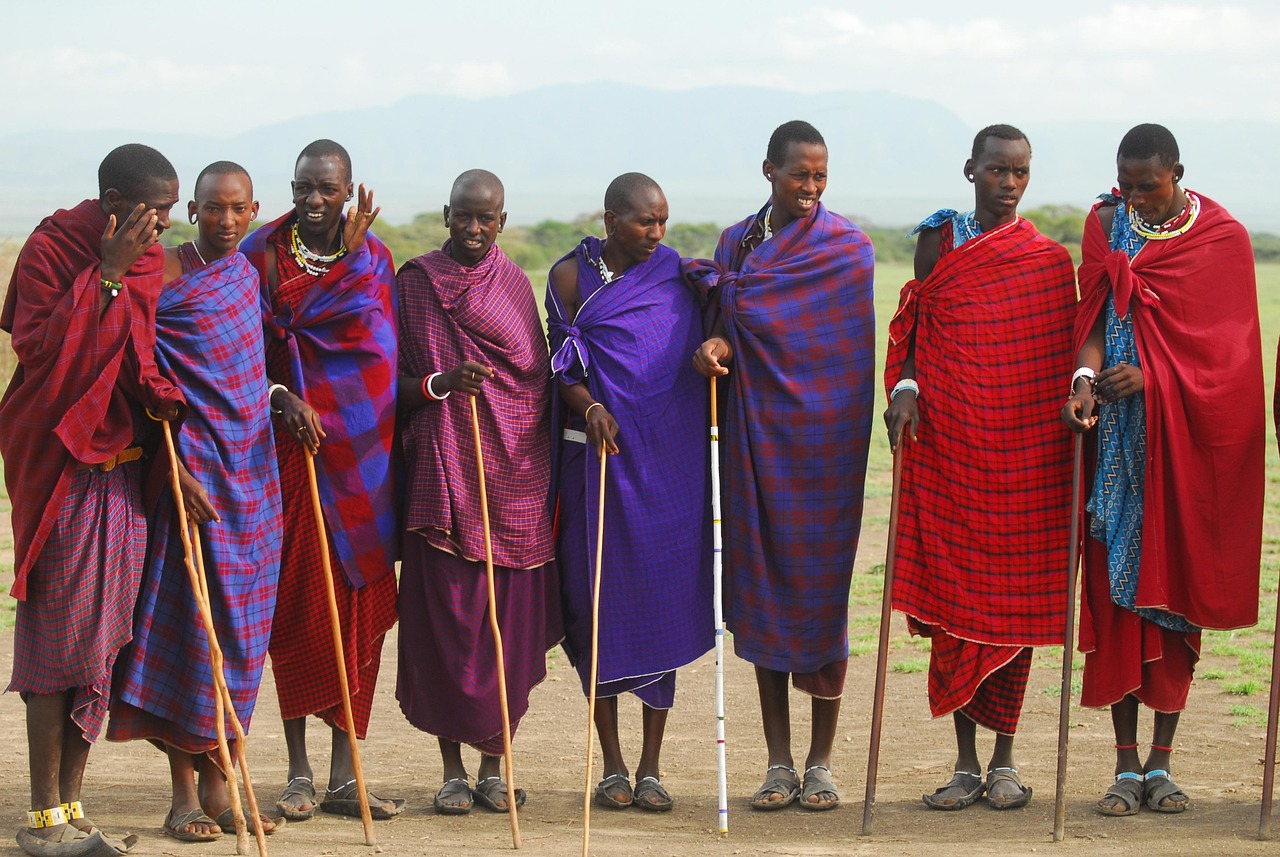
The Maasai Mara(MM) is famous for its wildlife, but it is also a landscape shaped by words, stories, and memory. Among the Maasai, language is not just a tool for communication—it is a social institution, a way of teaching values, resolving disputes, preserving history, and explaining the world. Proverbs, songs, blessings, and narratives are central to how knowledge moves from one generation to the next in a society that has long relied on oral tradition rather than written archives.
This guide introduces the Maasai language (Maa), the place of proverbs and oral genres, and how storytelling and speech continue to shape life in the Maasai Mara today.
1) The Maa language: what it is and where it is spoken
1.1 What “Maa” means
The Maasai language is usually called Maa. It is spoken by the Maasai and closely related groups across southern Kenya and northern Tanzania. The term “Maasai” itself is derived from Maa, meaning “the Maa-speaking people.”
1.2 Linguistic family
Maa belongs to the Eastern Nilotic branch of the Nilotic languages. This places it in a wider East African linguistic landscape that includes languages spoken in Kenya, Tanzania, and South Sudan. For MasaiMara.ke, this matters because it situates Maasai culture within a deep regional history of migration, contact, and exchange.
1.3 Dialects and regional variation
There is no single uniform “Maa.” Instead, there are regional varieties associated with different Maasai sections (for example, Purko, Loita, Siria, and others). These varieties are:
- Mutually intelligible,
- Marked by differences in pronunciation, vocabulary, and expression,
- A normal feature of any living language spread across a large territory.
In the Maasai Mara region, people often recognize each other’s background partly through speech style and accent.
2) Orality as a knowledge system
2.1 What “oral tradition” really means
An oral tradition is not “just stories told for fun.” It is a structured system for storing and transmitting knowledge without relying on writing. Among the Maasai, oral tradition has historically carried:
- History and migration memories,
- Genealogies and clan relationships,
- Moral rules and social expectations,
- Ecological knowledge about pasture, animals, and seasons,
- Political wisdom about leadership, conflict, and alliance.
2.2 Memory, performance, and audience
Oral knowledge is:
- Performed (spoken, sung, chanted, or narrated),
- Contextual (different settings call for different forms of speech),
- Interactive (listeners respond, correct, or add detail),
- Communal (knowledge is shared, not owned by one person).
This is why good speakers—especially elders—are respected not just for what they know, but for how they speak.
3) Key genres of Maasai oral tradition
3.1 Proverbs (enkiguena / olkiloriti in different contexts)
Proverbs are short, metaphorical statements used to:
- Advise,
- Warn,
- Teach moral lessons,
- Resolve disputes,
- Comment indirectly on sensitive situations.
They are especially valued because they allow a speaker to:
- Speak wisely without speaking directly,
- Criticize without insulting,
- Guide without commanding.
For example (paraphrased in English style, not direct translations):
- A proverb about cattle and patience may be used to advise restraint in conflict.
- A proverb about drought and planning may be used to encourage foresight.
In daily life, proverbs are a social technology of diplomacy and education.
3.2 Stories and historical narratives
Maasai stories include:
- Accounts of origins and migrations,
- Stories about famous leaders, conflicts, and alliances,
- Moral tales involving people, animals, or symbolic figures,
- Family and clan histories.
These stories:
- Teach values like courage, generosity, restraint, and responsibility,
- Explain why certain customs exist,
- Preserve a sense of continuity between past and present.
They are not told as “once upon a time” fiction, but as social memory.
3.3 Songs, chants, and praise poetry
Music and rhythm are central to Maasai oral culture. Different kinds of songs and chants accompany:
- Celebrations and ceremonies,
- Work and herding,
- Social gatherings and dances,
- Blessings and ritual moments.
Praise poetry and chanting can:
- Celebrate bravery, beauty, or generosity,
- Reinforce group identity (especially among age-sets),
- Mark important transitions in life.
Here, language, rhythm, and movement work together as one cultural system.
3.4 Blessings, prayers, and ritual speech
Elders often use formal, poetic speech when giving blessings or addressing serious matters. This kind of language:
- Uses metaphor and repetition,
- Invokes cattle, rain, health, peace, and fertility as key themes,
- Frames social events within a moral and spiritual order.
In Maasai society, speech itself can be an action—a blessing is not just words; it is a social and moral act.
4) How language structures social life
4.1 Respect, age, and speech styles
Maasai communication is strongly shaped by:
- Age and seniority,
- Social roles (youth, elders, leaders),
- Context (public meeting vs family space).
There are:
- Polite and indirect ways of speaking to elders,
- More direct or playful styles among age-mates,
- Formal styles reserved for councils, rituals, or dispute resolution.
Knowing how to speak is as important as knowing what to say.
4.2 Conflict resolution and public debate
In community meetings, language is a key tool:
- Arguments are often framed through proverbs and stories,
- Elders may speak at length, using metaphor and analogy,
- The goal is not to “win” a debate but to restore balance and agreement.
This makes Maasai political culture highly rhetorical and dialogical rather than confrontational.
5) Language, landscape, and ecological knowledge
Maa contains:
- Detailed vocabulary for cattle, age, color, health, and behavior,
- Terms for pasture types, seasons, water sources, and grazing conditions,
- Names for animals, birds, and plants that reflect close observation.
This means language itself is a map of the rangeland—a way of encoding environmental knowledge built over generations.
For visitors to the Maasai Mara, this is important: many “local names” you hear are not just labels, but descriptions of relationships with the land and animals.
6) Change, education, and multilingual life today
6.1 Maasai today are multilingual
Most people in the Maasai Mara region speak:
- Maa at home and in community life,
- Swahili for wider Kenyan communication,
- Often English through school, tourism, and administration.
This multilingualism means:
- Maa remains a core identity language,
- But it now coexists with national and global languages.
6.2 Oral tradition in a written and digital age
Today:
- Some stories and proverbs are written down,
- Songs and speeches are recorded on phones,
- Young people learn both from elders and from schools.
This does not mean oral tradition is disappearing. It is changing form, moving between spoken, written, and digital spaces.
The real question is not “Will oral tradition survive?” but:
How will Maasai communities choose to carry it forward in new media and new social conditions?
7) What visitors should know about language and storytelling
7.1 Respectful listening
If you hear a story, proverb, or blessing:
- Treat it as shared knowledge, not entertainment,
- Ask before recording or quoting,
- Remember that some stories are for community contexts, not public performance.
7.2 Learning a few Maa words
Visitors are often welcomed warmly when they learn simple greetings or thanks in Maa. This shows:
- Respect for hosts,
- Recognition that you are entering someone else’s cultural landscape.
Your guides or hosts can usually suggest appropriate phrases.
8) Why language and oral tradition matter for understanding the Maasai Mara
Without understanding Maa and its oral traditions, it is impossible to fully understand:
- How knowledge about wildlife and land is passed on,
- How leadership and authority are exercised,
- How history is remembered without written archives,
- How values like respect, restraint, and responsibility are taught.
In short, language is one of the main ways the Maasai Mara becomes a human landscape, not just a wildlife destination.
9) How this page should connect within MasaiMara.ke
Internally link this guide to:
- Maasai History & Origins (where oral histories explain migration and identity)
- Maasai Culture & Traditions (daily life, music, dress, social norms)
- Rites of Passage & Age-Set System (where ritual speech and songs are central)
- Maasai Beadwork & Symbolism (another non-written symbolic language)
- Role of the Local Maasai Community in Safari Tourism (communication, guiding, hosting)
A final word from your hosts in the Mara
When you travel in the Maasai Mara, you are moving through a landscape shaped not only by rivers and wildlife, but by stories, names, and spoken memory. The Maa language and its rich oral traditions are how that memory lives—how the past is kept present, and how each generation learns what it means to belong to this place.
Listening carefully is one of the most respectful ways to visit.