Colors, meanings, social identity, and how to buy ethically — a guide from your hosts in the Mara
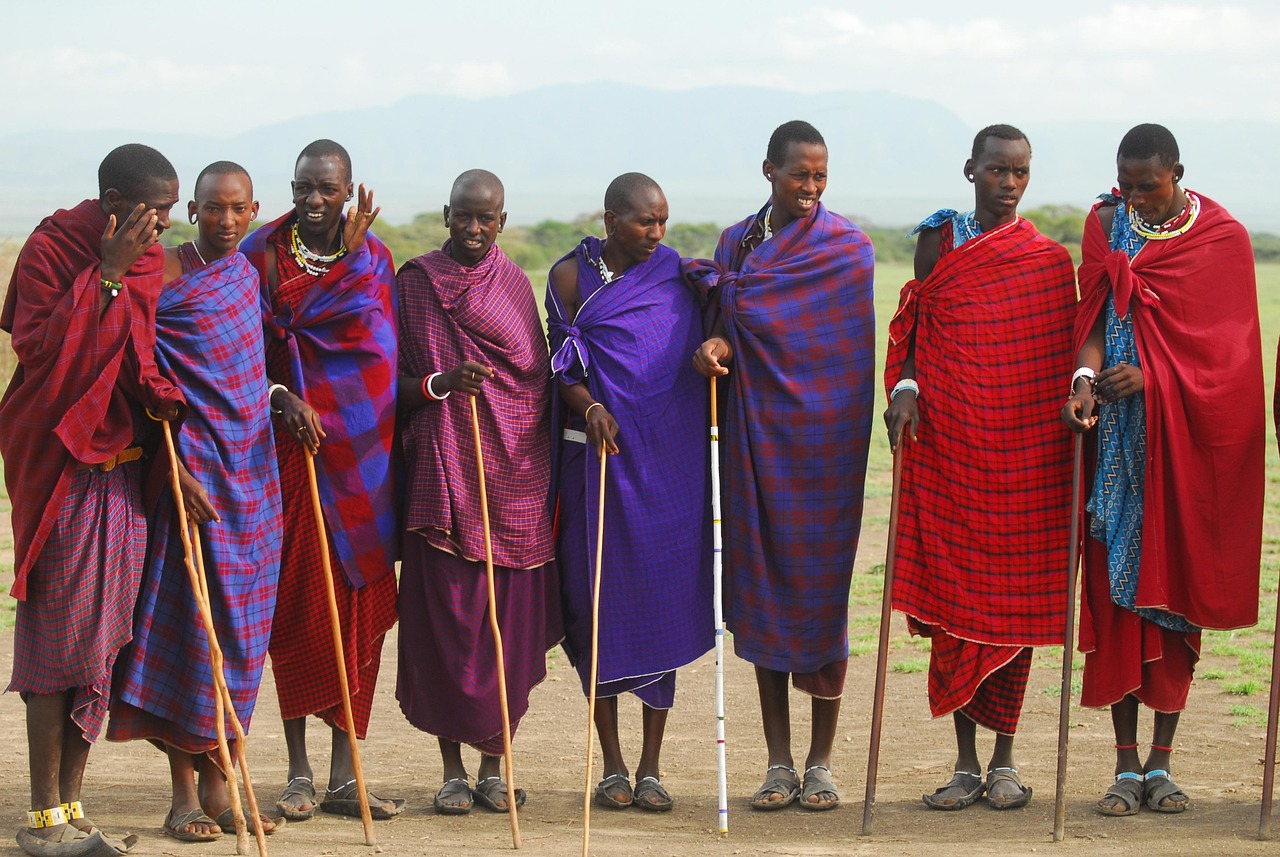
In the Maasai Mara National Reserve, visitors come for wildlife—but they are also entering a cultural landscape shaped by the Maasai, the community that has lived alongside this ecosystem for generations. One of the most visible expressions of that living culture is Maasai beadwork. Often mistaken for simple “decoration” or “souvenir craft,” beadwork in Maasai society functions as a visual language: it communicates identity, age and life stage, relationships, aesthetic values, and social belonging. It is also a vital contemporary livelihood—one of the most important ways many Maasai women in the Mara translate cultural knowledge, skill, and time into income within today’s tourism economy.
This guide explains Maasai beadwork as it is lived in the Maasai Mara region: its history, materials, makers, meanings, and ethical buying practices that respect the community as hosts rather than treating culture as a cheap commodity.
1) What Maasai beadwork is (and what it is not)
Beadwork as social communication
Maasai beadwork is:
- Adornment (beauty and pride matter),
- Social signalling (age, marriage status, ceremonial context),
- Relational (made, gifted, worn within networks of kin and friendship),
- Economic (a key livelihood stream, especially for women’s groups).
Not a static “tribal artifact”
Beadwork is dynamic:
- Styles shift with fashion, availability of materials, and tourist markets.
- New items appear (bracelets for visitors, phone straps, keyrings) alongside ceremonial forms.
- Meanings remain important, but interpretations and use vary by section, family, age, religion, and occasion.
2) Who makes Maasai beadwork—and why it matters
Women as knowledge holders and economic actors
In most Maasai communities, beadwork is primarily made by women. It is often:
- Learned intergenerationally (mother-to-daughter, peer learning),
- Produced in women’s groups/cooperatives,
- Sold as household income or pooled savings.
Beadwork is therefore both:
- Cultural heritage, and
- A women-led economic institution.
Men’s beadwork and usage
Men wear beadwork too, often in culturally specific contexts—especially for ceremonies, dancing, and public identity display. But the making and marketing economy remains strongly women-centered in most areas.
3) A short history of Maasai beadwork
Before glass beads
Earlier Maasai adornment included materials like:
- natural fibers, leather, bone, seeds, shells, and metal,
- pigments and ochres,
- and locally available decorative forms.
Glass beads and the globalization of style
The widespread use of small glass beads expanded with long-distance trade networks and colonial-era market integration. This is one reason Maasai beadwork became so visually intricate: glass beads allowed:
- finer patterning,
- brighter, standardized colors,
- and complex geometric design.
Key point for MasaiMara.ke: Maasai beadwork is not “ancient unchanged tradition.” It is a tradition with a long history of innovation, shaped by trade, politics, and modern markets.
4) Core beadwork forms and what they often signal
Terms vary by region and household. The aim here is to help visitors recognize categories and cultural logic, not memorize a rigid taxonomy.
Common wearable forms
- Neck collars and layered neckpieces (often associated with ceremonial display, courtship aesthetics, and public celebrations)
- Earrings (varied sizes and styles; some associated with particular age stages or fashions)
- Bracelets and bangles
- Belts and waist adornments
- Headbands and hair ornaments
- Body adornments for ceremonies (more elaborate, sometimes heavier, less “everyday”)
Social meaning works through context
The same object can mean different things depending on:
- who wears it (age, gender),
- when it is worn (daily life vs ceremony),
- where it is worn (home, market, conservancy event, cultural festival),
- who made or gave it (gift vs purchase).
5) Color symbolism: meanings, associations, and variation
Color meanings are widely discussed in Maasai cultural interpretation—but it’s important to present them correctly:
- They are associations, not strict universal rules.
- Meanings can vary by community and circumstance.
- Beadwork also reflects aesthetics and availability—not every color choice is “coded.”
With that framing, here are common Maasai color associations you can responsibly describe:
Red
Often associated with:
- bravery, strength, unity,
- protection and vigilance (often linked to the pastoral world where predators are a real threat),
- public Maasai identity (red shúkà and red bead dominance).
Blue
Often associated with:
- the sky and rain,
- water as life for people and livestock,
- blessing and abundance.
White
Often associated with:
- purity, peace, health,
- milk (central to pastoral nutrition and wellbeing),
- cleanliness and harmony.
Green
Often associated with:
- land, pasture, growth,
- the health of grazing ecosystems,
- seasonal abundance after rains.
Orange / Yellow
Often associated with:
- hospitality and warmth,
- the sun and energy,
- sometimes used for celebration and vibrancy.
Black
Often associated with:
- people and life,
- endurance and the hardships that communities survive through,
- sometimes maturity (depending on context).
How to write this on MasaiMara.ke (best practice):
Use phrasing like:
“Often associated with…” / “Commonly interpreted as…”
Instead of:
“Red means X, always.”
6) Patterns and geometry: beadwork as design language
Maasai beadwork is heavily geometric—circles, triangles, bands, radiating motifs. These patterns can function as:
- aesthetic signature (a maker’s style),
- community fashion (what is trending locally),
- symbolic ordering (balance, symmetry, completion),
- status emphasis (more elaborate work may signal ceremonial importance or special gifting).
In practice, many patterns are not “decoded like text”—they are understood through recognition and context, like clothing fashion in any society.
7) Beadwork, age, and social life: where it fits in rites and identity
Maasai society places strong emphasis on:
- life stages,
- public recognition,
- and social belonging.
Beadwork is one way these are made visible.
Typical contexts where beadwork is culturally prominent:
- weddings and celebrations,
- community gatherings and dances,
- rites-of-passage periods (where culturally appropriate),
- welcoming events and cultural festivals.
For visitors: if you see beadwork worn in a special gathering, assume it is meaningful, and ask permission before photographing.
8) Beadwork and the tourism economy: opportunities and risks
Opportunities
Tourism creates:
- income for women’s groups,
- markets for craft innovation,
- new forms of cultural entrepreneurship.
Risks
Tourism can also produce:
- pressure to sell cheaply,
- copying by mass production elsewhere,
- exploitation by middlemen,
- “performance culture” where visitors expect culture to be staged on demand.
A responsible visitor experience protects the maker’s time, dignity, and bargaining power.
9) How to buy Maasai beadwork ethically in the Maasai Mara
This is the section that most improves MasaiMara.ke’s trust and usefulness.
A) Buy from the maker or a transparent community group
Best options:
- Women’s groups/cooperatives where proceeds are shared,
- Community-run craft markets near the Mara,
- Trusted community partners vetted by your hosts.
Avoid:
- unclear middlemen who cannot explain who made the item,
- aggressive “quick sale” setups where artisans are underpaid.
B) Ask the right questions (politely)
Good questions:
- “Did you make this?”
- “How long does it take to make?”
- “Is this price for you directly or shared with a group?”
- “Do you have a group name or project you support?”
These questions signal respect and often lead to better, fairer transactions.
C) Pay fairly: bargaining has limits
Negotiation is normal in markets, but ethical bargaining means:
- don’t push for “tourist discounts” that undervalue skilled labor,
- remember that intricate beadwork is time-intensive,
- paying fairly supports school fees, food, and household resilience.
A good rule:
If you are happy to display it as a beautiful cultural item, it deserves a price that respects the hours behind it.
D) Understand quality indicators
Higher-quality beadwork usually has:
- tighter, even stitching,
- secure finishing (knots/ends hidden neatly),
- consistent symmetry,
- durable thread/wire,
- beads that do not easily loosen or snag.
Cheap beadwork often fails at the clasp/joins—so quality matters if you want longevity.
E) Photography ethics at markets
- Ask before photographing people and their work.
- If you photograph a maker’s display, consider buying something or tipping—because photos can be a form of extraction too.
F) Avoid culturally insensitive use
Some items may be associated with ceremonial contexts. If you’re unsure:
- ask the maker how it’s normally worn,
- choose general items (bracelets, simple necklaces) if you want to avoid misuse.
10) Cultural respect: beadwork is identity, not costume
A common visitor mistake is treating Maasai adornment as a “costume experience” rather than an art form tied to identity. If you wear beadwork:
- do it respectfully,
- avoid mocking imitation,
- don’t pressure people to dress you up for entertainment unless it’s a clearly agreed cultural activity with fair payment.