Witness the world’s greatest wildlife spectacle in the heart of the Masai Mara.
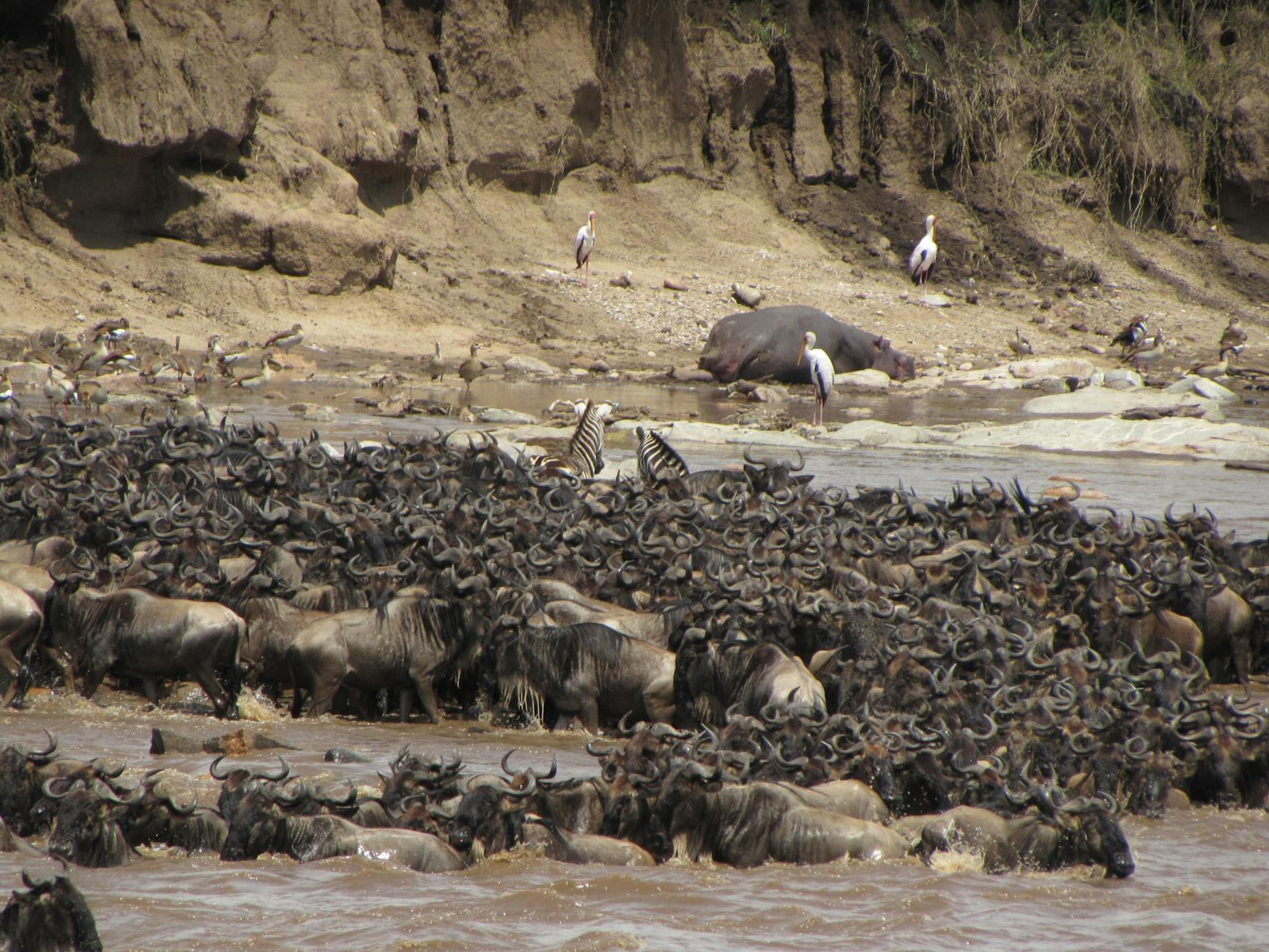
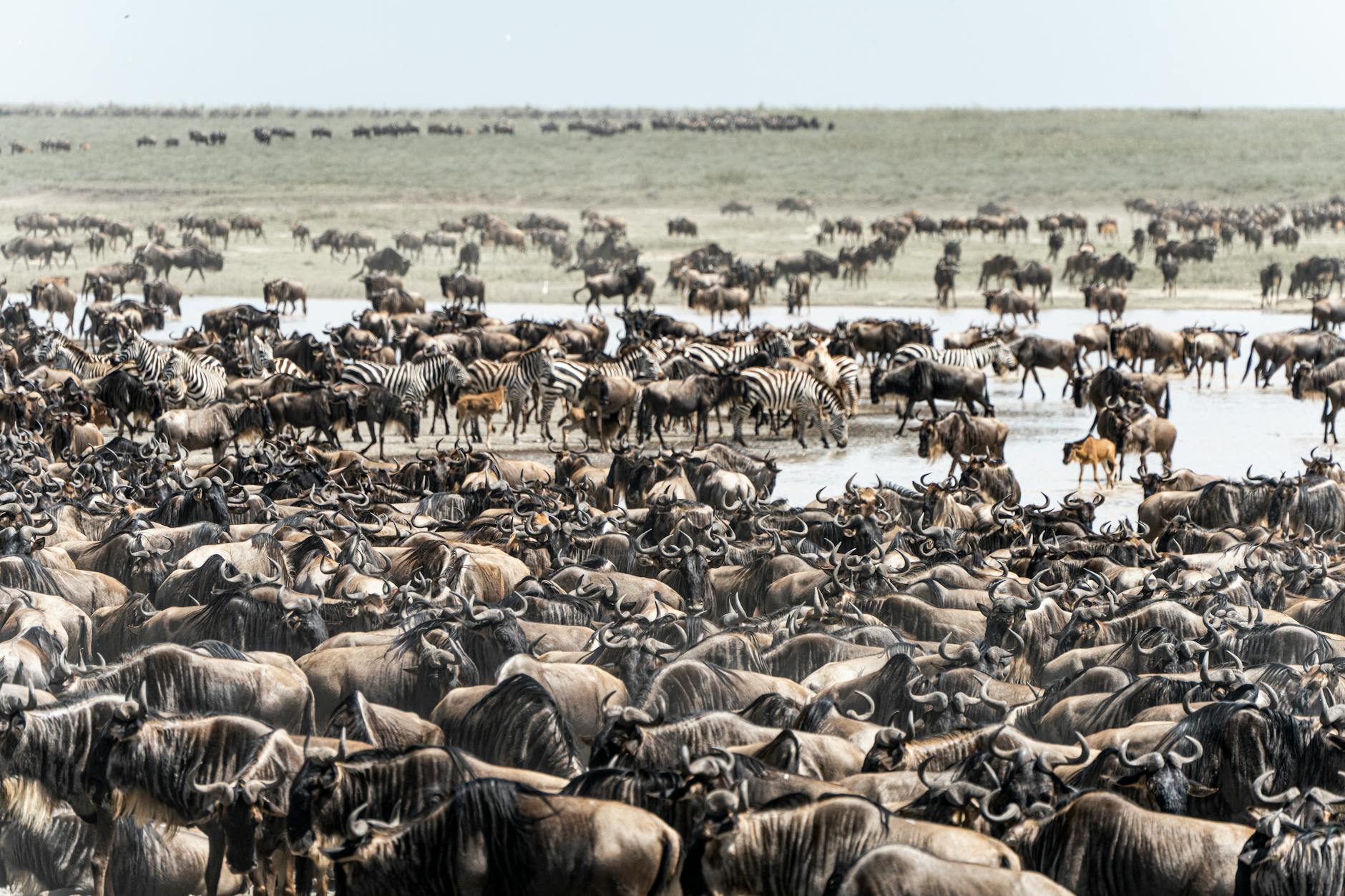
The Great Migration is the single most famous natural event in East Africa and the reason the Masai Mara is known worldwide. Each year, over a million wildebeest—followed by hundreds of thousands of zebras and gazelles—move into the Mara from the wider Serengeti ecosystem, creating dramatic river crossings, predator concentrations, and vast moving herds across the plains.
MasaiMara.ke’s Great Migration Safari is designed to give you the best realistic chance to experience this phenomenon in 3 to 5 days, with a strong focus on expert guiding, smart routing, and flexible positioning rather than rushed, luck-based sightseeing.
Our default package is a budget-focused safari based at Kambu Mara Camp (outside the reserve near Sekenani Gate), carefully chosen for value, location, and reliability. You can upgrade or customize the safari with alternative camps and lodges inside the reserve or in conservancies, depending on your budget and travel style.
Safari Snapshot
- Duration: 3 Days / 2 Nights (extendable to 4 or 5 days)
- Start/End: Nairobi
- Default Accommodation: Kambu Mara Camp (budget, outside the reserve)
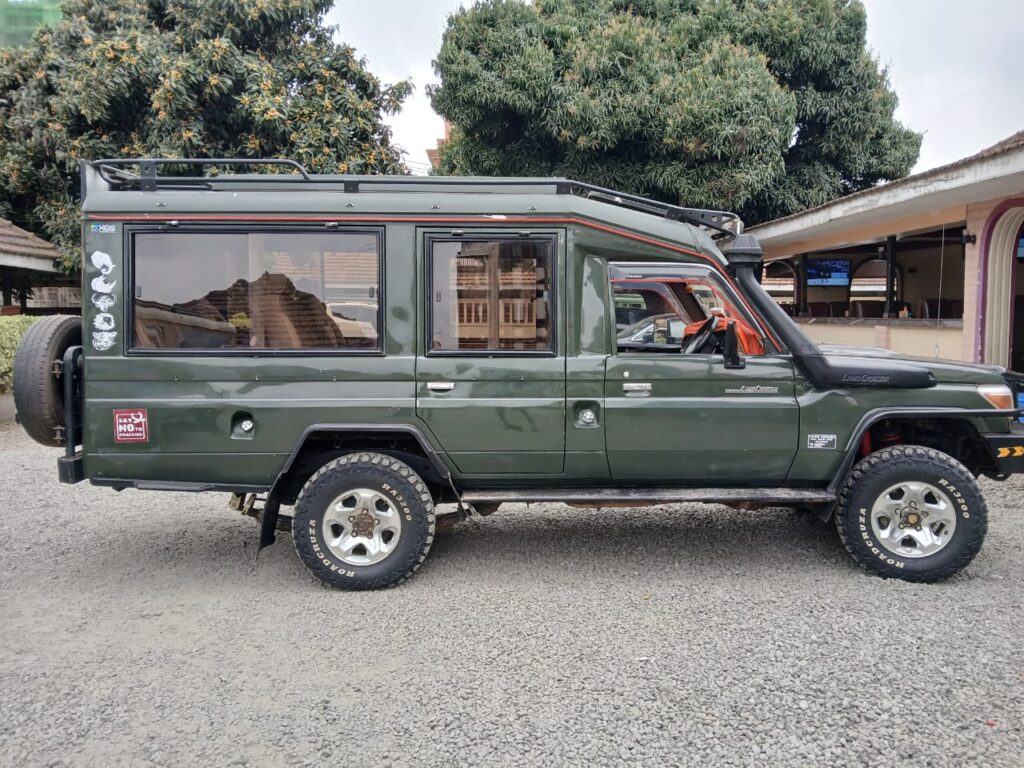
- Safari Vehicle: 4×4 Land Cruiser (pop-up roof) for game drives
- Focus: Great Migration herds, Mara River corridors, big cats, predators
- Best Season: Late July to October (peak crossings usually mid-August to early September)
- Style: Private or small-group safari, expertly guided
Why a Migration Safari Is Different from a Regular Mara Safari
A normal Masai Mara safari focuses on general wildlife—lions, elephants, cheetahs, and plains game across the reserve. A Great Migration safari is different because:
- You are tracking moving herds, not just visiting fixed wildlife areas
- River crossings are unpredictable and require patience, timing, and experience
- Days are planned around real-time animal movement, not static routes
- Success depends heavily on guide skill, positioning, and flexibility
- The experience is about process and behavior, not just a single dramatic moment
Crossings are never guaranteed. What this safari guarantees is smart strategy, honest expectations, and the best possible use of your time in the Mara.
🗺️ Detailed Itinerary: 3–5 Day Masai Mara Great Migration Safari
This Great Migration safari is designed to maximize your time in the right places at the right moments, combining strategic river positioning, flexible routing, and expert guiding. The itinerary focuses on the Mara River corridors, central plains, and key migration routes, while allowing enough time for patience, repositioning, and real wildlife behavior—rather than rushed, luck-based sightseeing.
The safari can be enjoyed as a 3-day, 4-day, or 5-day experience, depending on how deeply you want to immerse yourself in the migration ecosystem.
🗓️ Day 1: Nairobi → Masai Mara | Scenic Transfer & First Game Drive
Your Great Migration safari begins with a morning pick-up from Nairobi, followed by a scenic drive through the Great Rift Valley and Narok toward the Masai Mara ecosystem. This journey offers sweeping views of Kenya’s highlands before descending into the savannah plains that support one of the greatest wildlife spectacles on Earth.
Arrive at your camp in time for lunch and a short rest. In the afternoon, head out for your first game drive in the Masai Mara, focusing on:
- The Talek and central plains migration corridors
- Early-season or resident herds (depending on timing)
- Lions, cheetahs, elephants, giraffes, buffalo, and plains game
- Predator territories that often follow the movement of the herds
As the sun sets, return to camp for dinner and a migration briefing, where your guide explains current herd movements and the strategy for the following days.
Overnight: Masai Mara (camp or lodge of your choice)
🗓️ Day 2: Full-Day Great Migration Game Drive | Mara River Focus
After an early breakfast, depart with a picnic lunch for a full-day migration-focused game drive. This is the core day of the safari, dedicated to tracking wildebeest and zebra herds along the Mara River system and adjacent plains.
The day is spent:
- Positioning at promising river bends where herds gather
- Observing herd behavior and testing points along the banks
- Watching for predator activity near river exits and migration routes
- Exploring nearby plains if crossings are quiet, where big cats often hunt migrating animals
- Enjoying a picnic lunch in a scenic, safe wilderness location
Because river crossings are unpredictable, your guide will balance patience at the river with productive exploration elsewhere, ensuring the day remains rich in wildlife even if no crossing happens.
Return to camp in the late afternoon for dinner and overnight.
Overnight: Masai Mara
🗓️ Day 3: Morning Game Drive | Continue Migration Tracking or Depart
You start the day with an early morning game drive, a prime time for predator activity and fresh movement of herds toward the river or across the plains.
After breakfast, you have two options:
Option A: Return to Nairobi (3-Day Safari Ends)
- Check out after breakfast
- Drive back to Nairobi via Narok
- Arrive in the late afternoon
This option suits travelers with limited time but still offers a focused introduction to the Great Migration ecosystem.
Option B: Continue Your Safari (Strongly Recommended)
For guests who want better odds of witnessing crossings and deeper migration behavior, extending to 4 or 5 days dramatically improves the experience.
🗓️ Day 4: Extended Migration Safari | Mara River, Plains & Alternative Sectors
Day 4 is all about flexibility and strategy. Your guide will adjust the route based on:
- Real-time herd movements
- River activity and water levels
- Predator concentrations
- Vehicle pressure at popular crossing points
Possible focus areas include:
- Different sections of the Mara River to avoid crowds
- Central and northern plains where large herds regroup
- Predator hotspots where lions, cheetahs, and hyenas follow the migration
- Quieter sectors or the Mara Triangle (depending on logistics and access)
You’ll enjoy another full day of immersive game viewing with a picnic lunch in the bush, returning to camp in the late afternoon.
Overnight: Masai Mara
🗓️ Day 5: Final Safari Morning & Return to Nairobi
On your final day, enjoy a relaxed morning game drive in a different sector than previous days, focusing on any remaining migration activity, predator encounters, or special sightings you may have missed.
After breakfast, check out and begin the return drive to Nairobi, arriving in the afternoon.
This fifth day adds valuable buffer time, increasing your chances of being in the right place when migration action happens and allowing a more unhurried, rewarding safari pace.
🧭 Why 4–5 Days Is Better for the Great Migration
The Great Migration is not a scheduled show. Herds can wait hours—or days—before crossing, and they often change direction based on rain, pressure, and predators. A longer safari allows you to:
- Wait out quiet periods at the river
- Reposition when herds shift
- Explore multiple migration corridors
- Reduce reliance on pure luck
- Enjoy the Mara as a full ecosystem, not just a single crossing point
⏱️ Shorter Safari Options
This itinerary can be shortened to 3 or 4 days if you have limited time. However, for the best balance of sightings, flexibility, and realistic chances of seeing river crossing behavior, we strongly recommend the 4 or 5-day version.
Your Accommodation
Default: Kambu Mara Camp (Budget, Outside the Reserve)
Kambu Mara Camp is chosen as the default base for this package because it offers:
- Excellent value for money
- Reliable, clean, comfortable tents
- Location about 15 minutes from Sekenani Gate
- Positioned between Nashulai and Naboisho Conservancies
- Wildlife (especially giraffes and zebras) often graze right in front of camp
- Access to both the Reserve and conservancy-side ecosystems
- No extra conservancy fees on nights spent at camp
This makes it possible to keep the safari affordable while still enjoying a highly immersive Mara environment.
Optional Upgrades (Inside the Reserve or Conservancies)
You can customize this safari with alternative camps such as:
- Inside the Reserve / Near the Mara River:
Mara Serena, Entim Mara, Rekero, Governor’s Camp (faster access to river zones) - Conservancies (Lower Vehicle Density):
Naboisho, Olare Motorogi, Mara North, Ol Kinyei camps (better exclusivity, predator viewing, and ethics-first safaris) - Luxury Options:
Angama Mara, Mahali Mzuri, Sala’s Camp, Sand River Camp
Trade-off: Better location and exclusivity = higher cost. Wildlife quality remains exceptional across all categories.
Stay Closer to Crossing Points
For the best migration experience, stay near Mara River crossings to maximize sightings. Entim Mara Camp and Mara Serena Safari Lodge offer prime locations for Paradise and Cul de Sac Crossings, while Angama Mara and Mahali Mzuri provide exclusive luxury stays near Oloololo Escarpment and Mara Triangle.
Budget travelers can opt for Kambu Mara Camp (Sekenani Gate) or Oldarpoi Mara Camp, both with good access to crossing hotspots. For big cat action, Governor’s Camp near Musiara Swamp is ideal. Staying inside the reserve or at a bordering conservancy ensures quick access to key crossings, making your migration safari unforgettable.
Your specific great migratio safari package will be quoted depending on the accommodation option you choose:
| Crossing Point | Budget Option | Mid-Range Option | Luxury Option |
|---|---|---|---|
| Paradise Crossing (#1) | Kambu Mara Camp (Affordable, near Sekenani Gate) | Mara Serena Safari Lodge (Overlooks Mara River) | Angama Mara (Exclusive, panoramic views) |
| Lookout Crossing (#2) | Crocodile Camp (Basic Tented Camp) | Mara Bush Camp (Near Lookout Hill) | Sand River Camp (Secluded luxury near crossings) |
| Cul de Sac Crossing (#3) | Oldarpoi Mara Camp (Community-run budget camp) | Entim Mara Camp (Prime location on Mara River) | Mahali Mzuri (Sir Richard Branson’s ultra-luxury camp) |
| Kichwa Tembo Crossing | Talek Bush Camp (Budget camp near Talek River) | Kichwa Tembo Tented Camp (Scenic & wildlife-rich area) | Bateleur Camp (High-end tented safari experience) |
| Rekero Crossing | Aruba Mara Camp (Affordable safari tents) | Rekero Camp (Authentic migration-viewing camp) | Sala’s Camp (Luxury tented camp near the Sand River) |
| Musiara Swamp Crossing | Rhino Tourist Camp (Basic budget accommodation) | Governor’s Camp (Premium migration-front lodge) | Il Moran Camp (Intimate, high-end Governor’s collection) |
Key Notes:
- Paradise Crossing & Lookout Crossing are among the busiest migration crossings, so mid-range and luxury camps near these spots get fully booked months in advance.
- Rekero & Kichwa Tembo Crossings offer fewer crowds but high predator density, making them ideal for extended stays.
- Musiara Swamp & Cul de Sac Crossings are excellent for predator action, especially lions, leopards, and crocs hunting migrating herds.
Animals You’ll See on This Safari
- Migration herds: Wildebeest, plains zebra, Thomson’s and Grant’s gazelles
- Predators: Lions, cheetahs, leopards, hyenas
- River species: Nile crocodiles, hippos
- Other wildlife: Elephants, giraffes, buffalo, topi, eland, plus 400+ bird species
- Scavengers: Vultures, marabou storks, jackals, eagles
Best Time to Go
- Main Migration Window: Late July to October
- Peak Crossing Probability: ~ August 15 – September 5 (varies yearly with rainfall)
- Important: Crossings are never guaranteed on any specific day.
What to Expect (Honest Version)
- You may wait hours at the river with no crossing—and then see a sudden, chaotic burst
- Some days deliver multiple crossings, others deliver predators and massive herds instead
- Crowds can be present at famous crossing points in peak season
- A good guide will move away from congestion and keep your safari rewarding regardless
Tour Pricing
| Package Type | Budget Option | Mid-Range Option | Luxury Option |
|---|---|---|---|
| Per Person (2-3 pax) | $750 | $1,050 | $1,750 |
| Per Person (4-6 pax) | $600 | $900 | $1,600 |
| Solo Traveler | $1,200 | $1,500 | $2,200 |
Inclusions
- Transport from Nairobi and back
- Game drives in a 4×4 Land Cruiser with pop-up roof
- Professional safari driver-guide
- Accommodation at Kambu Mara Camp (or your chosen upgrade)
- Meals as per itinerary (breakfast, lunch, dinner)
- Unlimited game drives during your stay
- Drinking water during game drives
- All government taxes and levies
Exclusions
- Masai Mara park entry fees (paid separately)
- Optional activities (hot air balloon safari, Maasai village visit, etc.)
- Drinks at the camp/lodge
- Tips and personal expenses
- Travel insurance and visas
- Flights (unless you choose a fly-in upgrade)
How to Book
To book or request a quote, email: Bookings@MasaiMara.ke with:
- Your preferred travel dates
- Number of guests
- Preferred accommodation (or keep the default Kambu Mara Camp)
- Whether you want 3, 4, or 5 days
- Your WhatsApp contact number
- Pick-up location in Nairobi (hotel, residence, or airport)
- If arriving by flight, include your flight number for tracking
If you want a custom setup (different camp, fly-in option, conservancy stay, private vehicle, etc.), we’ll prepare a tailored, itemized quote.
Payment & Booking Confirmation
- 50% deposit required to confirm your booking
- Payment via secure Pesapal link (card or MPesa)
- Balance payable before arrival or on arrival (as agreed)
- Once the deposit is received, your accommodation and vehicle are secured and confirmed
Cancellation Policy
- 31+ days before travel: Full refund (minus processing fees)
- 15–30 days before travel: 50% refund
- 8–14 days before travel: 25% refund
- 0–7 days before travel: No refund
(Card and bank charges are non-refundable.)
Final Word
The Great Migration is not a staged show—it’s a living, moving ecosystem driven by rain, grass, and survival. This safari is designed to give you the best realistic chance to witness it properly, with expert guidance, smart planning, and honest expectations.
📧 Email Bookings@MasaiMara.ke to start planning your Great Migration Safari.
Frequently Asked Questions (FAQs) – Masai Mara Great Migration Safari
1. When is the best time to see the Great Migration in Masai Mara?
The best time to witness the Great Migration in Masai Mara is between July and October, when over 1.5 million wildebeests, zebras, and gazelles cross from the Serengeti into Masai Mara. The peak river crossings, particularly at Paradise Crossing, Lookout Crossing, and Cul de Sac Crossing, typically occur in August and September but can vary depending on rainfall patterns.
2. How long does a Great Migration Safari take?
A 3-day safari is the minimum recommended duration, allowing you to experience multiple game drives near the Mara River crossings. However, for a more immersive experience, a 4-day or 5-day itinerary is highly recommended, as it allows time to explore less crowded areas of the Mara Triangle and conservancies where predators closely follow the herds.
3. Is it guaranteed that I will see a river crossing?
While we maximize your chances by tracking migration patterns in real-time, witnessing a river crossing is never 100% guaranteed since wildebeests may hesitate for hours before making the plunge. However, visiting multiple crossing points (Paradise, Lookout, Cul de Sac, and Rekero) significantly increases your odds of witnessing this dramatic event.
4. What is the best way to track the migration while on safari?
Our safari includes a Migration Tracker Guide who stays updated with real-time movement reports from rangers, fellow guides, and local conservancy networks. We also use radio communication between safari drivers to ensure you’re in the best possible location at the right time.
5. What types of safari vehicles are used for the Great Migration safari?
We use 4×4 Land Cruisers with pop-up roofs, modified for off-road driving and wildlife viewing. Unlike safari vans, these vehicles can handle the rugged Mara terrain and reach remote crossing points without difficulty.
6. Are game drives limited to specific times during the migration?
No! Unlike some national parks that have restricted game drive hours, Masai Mara allows full-day game drives, which means we can spend as much time as needed at crossing points, waiting for the herds to move. Morning and afternoon drives offer different wildlife experiences, including predator interactions.
7. What kind of predators can I expect to see near the crossings?
The riverbanks are hunting grounds for large Nile crocodiles, while the surrounding plains host lions, cheetahs, hyenas, and leopards. The Musiara Marsh area is known for its lion population, and leopards are often spotted along the riverine forests near crossings like Rekero and Kichwa Tembo.
8. Can I do a hot air balloon safari during the Great Migration?
Yes! Hot air balloon safaris offer a breathtaking aerial view of the migration and river crossings at sunrise. They take off from areas near Talek River and Mara River, providing an unforgettable perspective of thousands of animals moving across the plains.
9. How do I choose the best accommodation for a migration safari?
Accommodation depends on budget and proximity to migration hotspots:
- Budget Option: Kambu Mara Camp (Close to Sekenani Gate, great for affordable safaris).
- Mid-Range Option: Mara Serena Lodge (Overlooks the Mara River).
- Luxury Option: Angama Mara (Panoramic views over the Mara Triangle, perfect for exclusivity).
10. Is the Great Migration the same every year?
No, migration patterns are influenced by rainfall, grass availability, and river water levels, so no two migrations are identical. The exact timing and intensity of crossings vary each year, which is why we track movements daily during peak season.
11. Can I visit both Masai Mara and Serengeti for the migration?
Yes, but it requires a multi-country itinerary since the Serengeti is in Tanzania. The best option is a Kenya-Tanzania combined safari, where you follow the migration from the Serengeti (June-July) into Masai Mara (August-October). Flights between the two parks are available.
12. What should I pack for a Great Migration Safari?
Pack lightweight, neutral-colored clothing, a good pair of binoculars, a zoom camera, sunscreen, insect repellent, and warm layers for early morning game drives, as the Mara can be chilly at dawn.
13. Is the Masai Mara Great Migration Safari suitable for families?
Yes! While kids under 5 may find long game drives challenging, many camps offer family-friendly accommodations and shorter, private game drives. Some lodges also provide educational programs for young safari-goers.
14. How do I book a Masai Mara Great Migration Safari?
You can book in advance by contacting us for availability, custom requests, and pricing. Migration safaris sell out fast, especially during August and September, so early booking is highly recommended!
Don’t miss out on this once-in-a-lifetime experience – Book now!