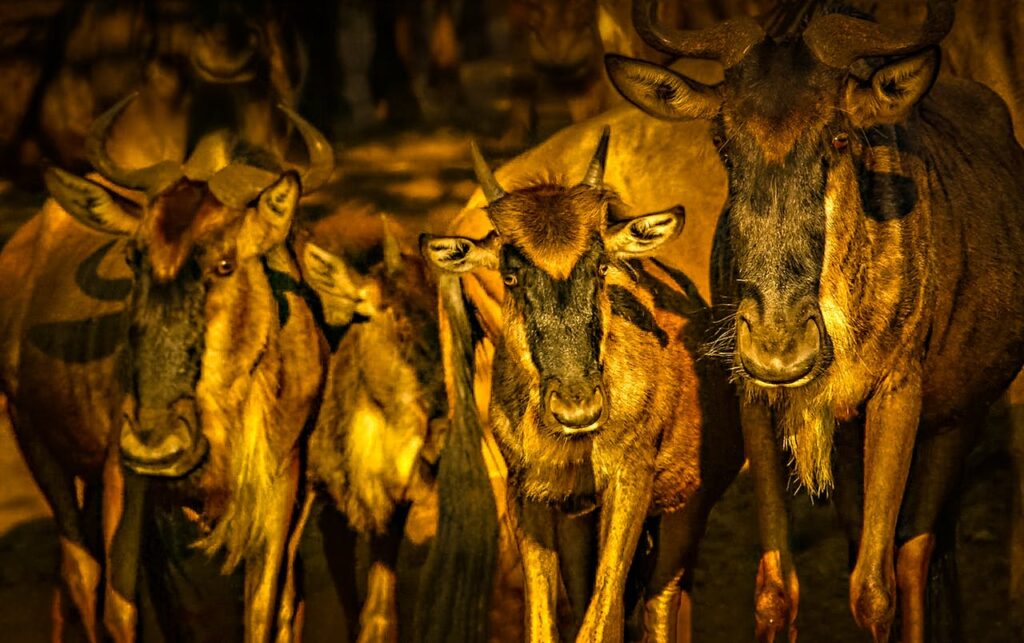
If you’re planning to experience the Great Migration in the Masai Mara in 2026, it’s all about timing and preparation. Every year, over a million wildebeest, zebras, and gazelles migrate in search of greener pastures, creating one of nature’s most astonishing spectacles. Although the migration is continuous throughout the year, the most thrilling part often occurs when the animals cross rivers, particularly the Mara River, where predators await. Here’s what you need to know to maximize your 2026 safari experience.
What is the Great Migration?
The Great Migration is the movement of over 1.5 million wildebeest, along with zebras and gazelles, between Tanzania’s Serengeti and Kenya’s Masai Mara, following the rains for fresh grass. What makes this migration particularly exciting are the dramatic river crossings, where the animals risk their lives against strong currents and waiting crocodiles. These crossings, alongside predator-prey interactions on land, are key highlights of a Masai Mara safari.
2026 Migration Calendar Overview
The migration occurs year-round, but there are specific highlights depending on the herds’ movements. Below is a month-by-month breakdown of the migration’s 2026 timeline, with estimates based on past patterns.
January to March 2026: Calving Season in the Serengeti
- Location: Southern Serengeti, Ndutu region
- Details: The migration begins with the calving season in the southern Serengeti, where most wildebeest give birth. While this event happens in Tanzania, it’s critical to note as the starting point of the migration cycle. Predators like lions and cheetahs are on high alert, making this a period of intense predator-prey interaction.
April to June 2026: Herd Movement Northward
- Location: Western Serengeti, Grumeti region
- Details: By late April, the herds begin moving north in search of fresh grazing lands. The animals face several challenges, including river crossings in the Grumeti region. By June, the herds are on their way toward the Masai Mara, with significant predator activity along the way.
July 2026: Arrival in Masai Mara
- Location: Northern Serengeti, Masai Mara
- Details: The first herds of wildebeest typically start arriving in the Masai Mara in mid to late July. This is an exciting time to witness the beginning of the migration into Kenya. The landscape turns green, and the Mara becomes a hotbed of wildlife activity, especially as predators like lions and hyenas await the arrival of the herds.
August 2026: Peak Migration and River Crossings
- Location: Mara River
- Details: August is considered the peak of the migration season in the Masai Mara. The iconic Mara River crossings, where wildebeest risk their lives to cross crocodile-infested waters, happen during this time. Although the crossings are unpredictable, August is your best bet for witnessing this dramatic event.
September 2026: Continued River Crossings
- Location: Mara River, Mara Triangle
- Details: The river crossings continue throughout September. Although the bulk of the herds have crossed by now, you can still catch some latecomers making their way across the Mara River. This month offers excellent opportunities for wildlife viewing, with fewer crowds than August.
October to November 2026: Return to Serengeti
- Location: Masai Mara and Northern Serengeti
- Details: By late October, the herds start moving south back into the Serengeti. The rains have begun again, and the Mara’s grass is drying out. By November, the vast herds have mostly left Kenya, making their way back to the southern Serengeti for the next calving season. This is a quieter period in the Masai Mara but still offers good game viewing.
What 2025 Migration Tells Us About 2026 Dates
The 2025 migration followed a broadly normal pattern, with:
- Herds arriving in the Masai Mara from mid to late July
- Peak river crossing intensity between 25–28 August 2025
- Continued crossings through early September
However, 2025 also experienced a longer-than-usual tail, with:
- Smaller herds and late crossings reported into late September and early October
- Some unverified claims circulating that Serengeti guides or rangers were discouraging early crossings, allegedly to manage congestion or protect habitats
It is important to note that:
- No official management directive or scientific evidence has confirmed deliberate prevention of crossings
- River crossing timing is overwhelmingly driven by rainfall distribution, grass availability, and river levels, not human intervention
- Similar late-season lingerings have occurred historically during years of prolonged or uneven rainfall
Peak Migration Dates for 2026: Best Expert Estimate
Taking into account:
- Long-term migration data
- Normalised rainfall patterns in 2024–2025
- The largely “on-time” peak seen in late August 2025
The most reliable window for peak Great Migration viewing in 2026 is expected to be:
🔹 August 20 – September 5, 2026
During this period:
- River crossings are most frequent and dramatic
- Herd densities in the Masai Mara are at their highest
- Predator activity is consistently strong
- Visitor experience is optimal if managed responsibly
August remains the single best month to plan a migration safari, with late July and September offering excellent alternatives for travellers seeking fewer crowds.
Peak Great Migration Crossings in 2026
In recent years, the timing of the Great Migration—particularly Mara River crossings—has shown modest but noticeable variability, driven primarily by changing rainfall patterns linked to climate variability. Traditionally, wildebeest herds arrive in the Masai Mara around mid-July, with peak river crossings occurring in August. However, observations from 2022, 2023, and 2025 indicate that while herd arrival into the Mara has remained broadly consistent, the most intense crossing activity has occasionally been delayed by one to two weeks.
These shifts are closely tied to delayed or uneven onset of rains in the Serengeti, which can prolong grazing conditions to the south and reduce the urgency for herds to move north. Importantly, even in these delayed years, the overall migration pattern has remained intact: herds still enter the Masai Mara by late July, and crossings still occur well within the traditional seasonal window. To date, no recent season has exhibited timing shifts beyond a two-week margin, underscoring the continued predictability of the migration despite climatic pressures.
Taking into account long-term migration data, recent rainfall trends, and the largely normal peak observed in late August 2025, the best expert estimate for peak Mara River crossings in 2026 is late August to early September, with the highest probability window falling between approximately 22 August and 7 September 2026. August therefore remains the most reliable month for travellers seeking river crossings, while early September offers a strong secondary window—often with fewer vehicles—particularly in years when rainfall patterns delay peak movement slightly.
Great Migration 2026 Dates
Recent migration seasons confirm that while the Great Migration remains seasonally reliable, the timing of Mara River crossings has shifted slightly later in some years, largely due to variable and increasingly unpredictable rainfall patterns in the Serengeti–Mara ecosystem. Traditionally, herds arrive in the Masai Mara National Reserve around mid-July, with peak crossings in August. However, observations from 2022, 2023, and 2025 show that first sustained crossings often begin in early August, with activity sometimes extending into late September or early October.
For 2026, the most prudent planning assumption is a normal migration pattern with a slightly later peak, similar to 2025. Travellers should expect herd arrival in the Mara from mid to late July, with river crossings from early August through September, and occasional late-season crossings into early October, particularly if late rains maintain grazing north of the river.
While exact dates will always depend on rainfall, grass availability, and river levels, recent patterns suggest that timing variations rarely exceed two weeks. Flexibility remains the single most important factor for maximising sightings.
Predicting Great Migration Periods for 2026 Season
Based on long-term data and recent seasonal trends, the following updated timeline reflects a slightly later and more flexible 2026 window:
| Migration Phase | Estimated Dates (2026) | Key Locations | What to Expect |
|---|---|---|---|
| Early Arrival | July 15 – July 31 | Sand River (Mara South) | First herds enter the Masai Mara from the Serengeti. |
| Migration Builds | Late July – Mid-August | Central Mara Plains | Large herds spread across the plains; sporadic early crossings. |
| Mara River Crossings Begin | August 5 – August 20 | Mara River (South & Central) | Initial crossings at Lookout Hill, Cul de Sac, and Paradise Plains. |
| Peak Mara River Crossings | August 20 – September 25 | Main Mara River crossings | Most frequent and dramatic crossings at Serena, Mortuary, and Main Crossing points. |
| Late-Season Crossings | Late September – Early October | Mara Triangle & Sand River | Smaller herds and return crossings back toward the Serengeti. |
| End of Migration Season | Early – Mid-October | Sand River (Exit Points) | Majority of herds move south as short rains begin. |
Expert Takeaway for 2026
For the highest probability of witnessing classic Mara River crossings, plan for late August through late September. Early October should be considered a valid extension of the season in years with delayed rainfall patterns, often offering excellent sightings with fewer vehicles. August remains the strongest single month, but flexibility across a 3–5 day window significantly improves outcomes.
Read more on the key crossing points during migration.
Migration Overview: Key Points to Note
- First Herds Enter the Masai Mara:
- Expected Arrival: July 10-20, 2026
- The herds typically enter through the Sand River Gate, located in the southern part of the reserve.
- Early herds will move into the Keekorok and Lookout Hill areas.
- Peak Mara River Crossings:
- Main Crossings: August 15 – September 5
- The Mara River crossings are the highlight of the migration safari, where thousands of wildebeest brave the crocodile-infested waters to reach the northern pastures.
- Late Migration & Departure:
- By mid-September, the herds will start moving westward toward the Mara Triangle, crossing the river again to head back into Tanzania.
3-Day Masai Mara Budget Great Migration Safari
What to Expect in 2026
Based on recent migration patterns, the herds are expected to begin moving toward the Masai Mara from mid to late July 2026. As in most years, peak Mara River crossings are most likely to occur in August, but—drawing on the 2025 season, which experienced later-than-usual arrivals and extended crossing activity—there is a realistic possibility that crossings may shift slightly later, continuing into September and, in some cases, early October.
While the overall migration window remains highly predictable at a seasonal level, short-term weather variability—particularly delayed or uneven rainfall in the Serengeti—can influence the pace of northward movement. If grazing conditions remain favourable in the southern or central Serengeti for longer than usual, herds may arrive in the Mara later than mid-July, with the most intense river crossings occurring in the latter half of August or early September.
For 2026, travellers should therefore plan around a broader and more flexible migration window, with late August through September offering the highest probability of witnessing river crossings, and early October serving as a viable extension in the event of delayed movement, similar to what was observed in 2025.
Advantages of Planning Around These Dates:
- High likelihood of viewing crossings: Even with minor delays, August remains the best month to witness the iconic river crossings.
- Slightly flexible timing: Since the migration remains predictable within a two-week window, you can plan your trip with some flexibility and still catch the action.
Disadvantages of Delayed Timings:
- Uncertainty: The unpredictability caused by rainfall patterns might require visitors to stay longer or adjust their schedules if the herds are delayed.
- Crowds: August is a peak tourist month, and a delayed migration may concentrate more tourists within a narrower time frame, leading to more crowded viewing spots.
In summary, for 2026, mid-July to early September is the optimal period to witness the Great Migration in the Masai Mara, but it’s wise to stay flexible with your dates to accommodate any minor delays in the herds’ arrival.
Practical Tips for Planning Your 2026 Migration Safari
- Book Early: The Great Migration draws visitors from across the globe, especially during peak times from July to September. Secure your accommodation months in advance.
- Stay Flexible: Since migration patterns depend on rainfall, exact timings can vary by a few weeks. Building flexibility into your itinerary increases your chances of seeing the herds cross rivers.
- Best Times to Visit: If witnessing a river crossing is your top priority, aim for August, but consider visiting in July or September as well, as crossings often continue through these months.
- Choose the Right Location: The Mara River is the best place to view the migration. The Mara Triangle, on the western side of the river, offers a less crowded but equally spectacular experience. For a more exclusive visit, consider staying in private conservancies like Olare Orok or Naboisho.
Responsible Tourism in 2026
As more people visit the Mara for the migration, the need for responsible tourism grows. Help protect this vital ecosystem by choosing eco-friendly lodges, maintaining a respectful distance from wildlife, and supporting local Maasai communities by visiting villages or staying in community-run conservancies.
Conclusion
The 2026 Masai Mara Migration promises unforgettable wildlife experiences, with river crossings, predator chases, and the sheer majesty of nature on full display. By planning ahead, booking early, and staying flexible, you can maximize your chances of witnessing the Great Migration’s most dramatic moments. Whether it’s your first safari or you’re returning for another encounter, the Great Migration is sure to leave you in awe of the natural world.