18 Masai Mara Activities to Do: Overview
Masai Mara offers far more than classic game drives—it is a multi-layered savanna ecosystem where different activities reveal different dimensions of wildlife, landscape, and community conservation. From day game drives, hot air balloon safaris, and Great Migration river crossings to walking safaris, night drives, birdwatching, horseback riding, and landscape photography, each activity operates at a different ecological scale and under different management rules across the Reserve, surrounding conservancies, and the Mara Triangle.
Add to this bush meals, cultural visits, museums, botanical gardens, community conservancies, conservation and restoration initiatives, cycling routes, rhino sanctuaries, unique camps, and low-impact camping, and the Mara becomes not a checklist destination but a toolkit for understanding a living ecosystem.
When and where you choose these activities matters. Dry-season months (roughly June–October) favour wide-ranging game drives, ballooning, camping, and Migration-focused experiences, while greener months (November–March and parts of April–May) elevate birding, landscape photography, walking, and community or conservation-focused visits.
Used thoughtfully, these activities turn a Masai Mara safari from simple wildlife viewing into a responsible, conservation-conscious engagement with one of Africa’s most important landscapes.
Masai Mara is not a single “park experience”—it is an ecosystem with different management regimes: the Masai Mara National Reserve (MMNR), a belt of community conservancies around it, and the Mara Triangle sector. That distinction matters because it determines what activities are legal, what is ecologically acceptable, and what is logistically realistic.
A useful lens is to treat activities as belonging to three categories:
- Low-impact observation (day game drives, birding, landscape photography)
- Controlled access experiences (walking with rangers, night drives, horse riding, ballooning)
- Social-ecological interactions (cultural visits, community museums, volunteering, conservation contributions)
The best itineraries deliberately mix categories—not only for variety, but to distribute tourism value across conservation and community priorities.
At-a-glance: What you can do in Masai Mara and where
| Activity | MMNR (Reserve) | Conservancies | Mara Triangle |
|---|---|---|---|
| Day game drives | ✅ | ✅ | ✅ |
| Night game drives (nocturnals) | ❌ | ✅ | ✅/varies by operator rules |
| Walking safaris / ranger walks | ❌ | ✅ (common) | Limited/depends |
| Bush meals (breakfast/sundowner/dinner) | Often restricted vs designated sites | ✅ common | varies |
| Horseback riding | ❌ | ✅ (selected conservancies/camps) | ❌ |
| Hot air balloon | ✅ (launch/flight areas vary) | ✅ | ✅ |
| Cultural village visit | ❌ | ✅ | ✅ |
| Camping in the wild | Campsites only | Some private options | ✅ public/private campsites |
Key rule to state clearly: Night drives are not permitted inside the main Masai Mara National Reserve; they are offered in selected private conservancies.
Activity #1: 🐘 Go on a Classic Masai Mara Safari Game Drive (Best Overall Thing to Do)
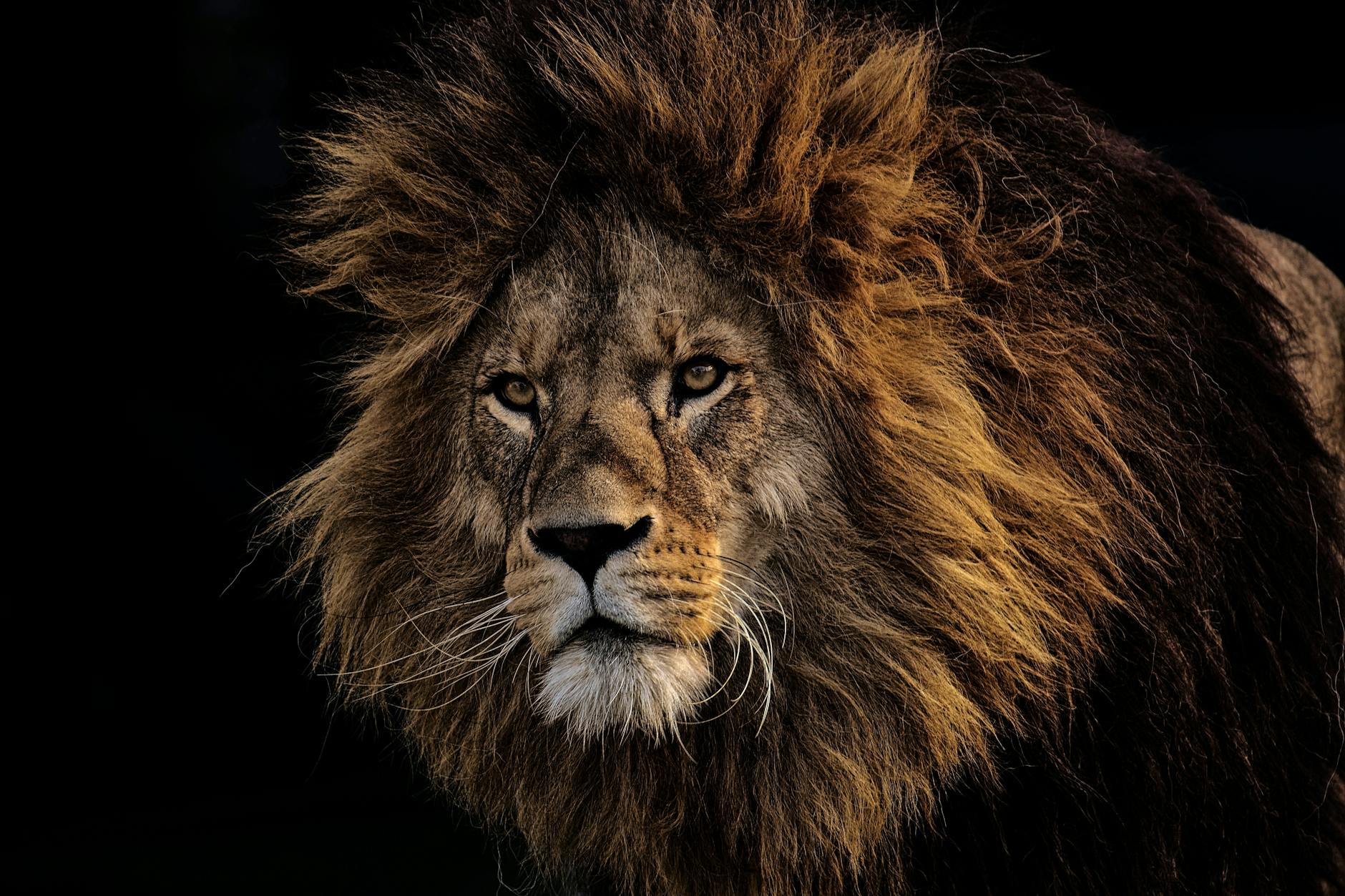
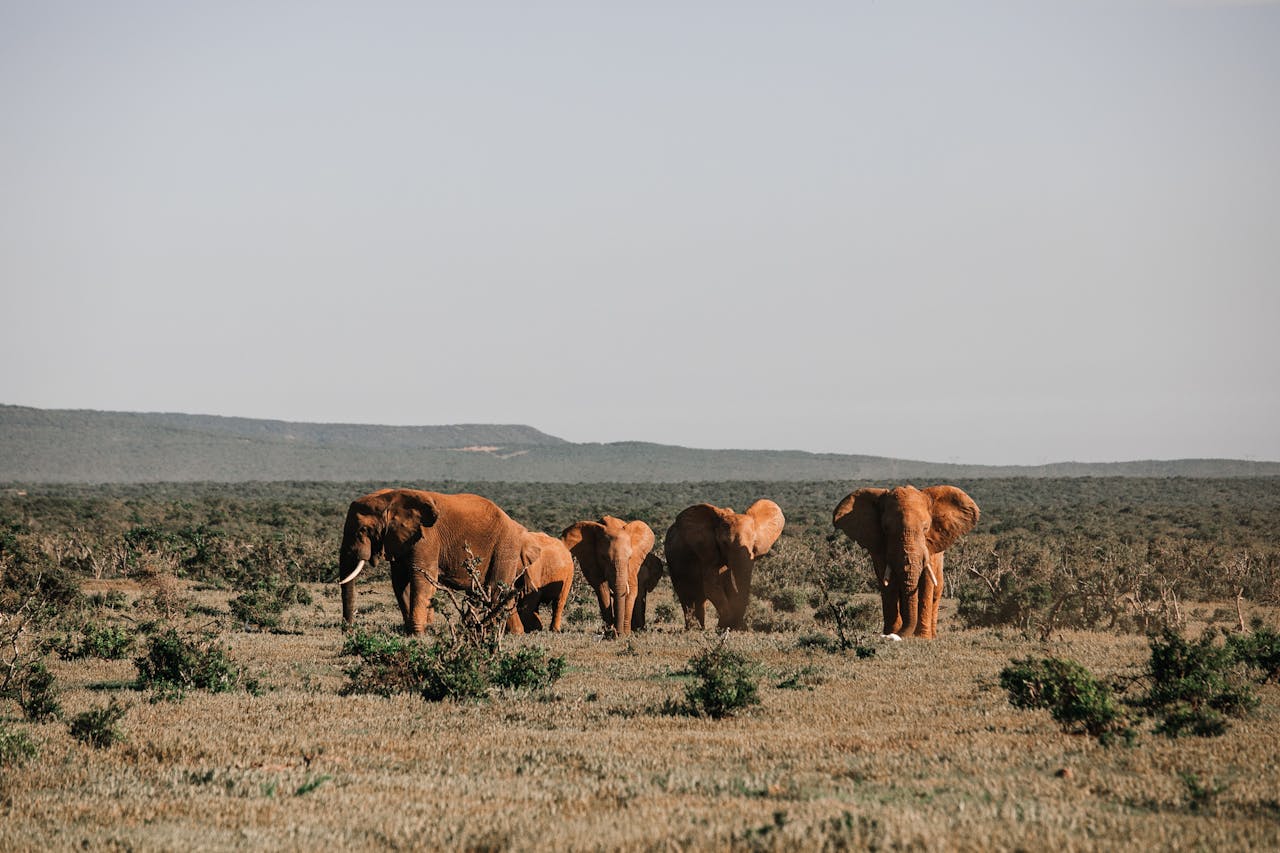
What it is: The core Mara experience—daytime drives to see lions, cheetahs, elephants, giraffes, buffalo, and plains game across open savanna and riverine corridors.
Where: Masai Mara National Reserve, Mara Triangle, and surrounding conservancies.
Best time: Year-round; best visibility June–October and January–March.
Approx. cost: $150–$300 per vehicle (half to full day) or $60–$150 per person on shared drives (park fees extra).
Pro tip: Early morning + late afternoon sessions maximize predator activity and light.
Day drives are the backbone because they allow broad spatial sampling: riverine habitat, open plains, woodland edges, and predator territories. From a behavioural ecology angle, daytime patterns tend to show energetic tradeoffs (resting vs feeding), while early morning and late afternoon concentrate movement and hunting.
Conservation-conscious practice
- Prioritize guides/operators that enforce vehicle spacing, limited time at sightings, and no off-roading in sensitive areas (especially around cheetah hunts and leopard ambush zones).
- Treat “getting the shot” as secondary to “not changing the outcome.”
Interested in learning how game drives work in the Masai Mara—what they are, how long they last, typical prices, the vehicles used, and how to book? Explore our complete Masai Mara game drive safari guide here.
Activity #2: 🎈 Take a Hot Air Balloon Safari (Iconic Aerial Experience)
What it is: Sunrise flight over the plains and rivers, often followed by a bush breakfast.
Where: Launch sites across the Mara ecosystem (routes vary by operator and wind).
Best time: July–October (most reliable), also January–March for clear skies.
Approx. cost: $420–$480 per person (operator dependent).
Pro tip: Book early in peak season; weight limits and weather can affect availability.
Conservation Note: Choose operators/camps that emphasize quiet flight paths and respectful distancing from wildlife concentration points (the aircraft is quiet, but the chase logistics around launch sites can create pressure if poorly managed).
Want to know what to expect, costs, best time to fly, and how to book? Read our complete Masai Mara hot air balloon ride guide here.
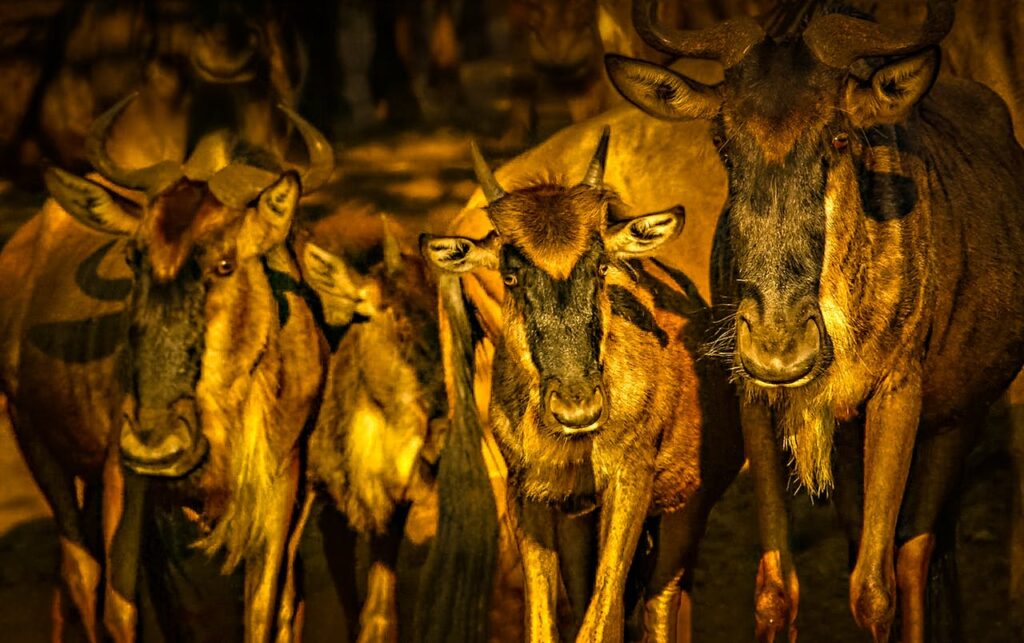
Activity #3: 🐃 Witness a Great Migration River Crossing (Peak Spectacle)
What it is: Watching wildebeest and zebra attempt Mara River crossings under crocodile and predator pressure.
Where: Mara River corridors (both Reserve and Triangle sides).
Best time: Early August to early September (highest probability; never guaranteed).
Approx. cost: Included in normal game drives; no extra fee beyond park fees and vehicle.
Pro tip: Stay 4–6 nights in the area to improve odds—crossings are unpredictable.
How to increase your odds (the experienced-traveller advice)
- Stay 4–6 nights, not 1–2. Short stays are the #1 reason people “miss crossings” even during peak weeks.
- Choose a camp/itinerary that allows flexible positioning (not fixed half-day loops).
- Go in with the right mental model: the prize is not a single crossing; it’s repeated exposure to herd dynamics.
Want to understand when the herds arrive, where to see river crossings, and how to plan your trip? Read our complete Masai Mara Great Migration guide here.
Activity #4: 🌙 Go on a Night Game Drive (See Nocturnal Predators Hunt)
What it is: Guided night drives to spot hyena, civet, genet, aardvark, owls, and hunting behavior.
Where: Private conservancies only (not allowed in the main Reserve).
Best time: June–October and January–March (easier driving and visibility).
Approx. cost: Often included at conservancy camps or $50–$100 per person as an add-on.
Pro tip: Ask about spotlight etiquette and time limits at sightings.
Ethics and best practice
- Ask about spotlight etiquette (duration, angle, and whether they avoid repeated scanning on sensitive species).
- The most ethical night drives are the ones that treat nocturnal wildlife as subjects, not trophies.
Activity #5: 🚶♂️ Enjoy a Guided Bush / Nature Walk (Slow Safari)
What it is: Walking with trained guides/rangers to learn tracks, plants, insects, and micro-ecology.
Where: Conservancies and designated walking areas (rare inside the main Reserve).
Best time: June–October, January–March.
Approx. cost: $40–$100 per person (often included at conservancy camps).
Pro tip: Choose operators that pair walks with conservation education, not just “adrenaline.”
“Extended nature walk with armed conservancy rangers”
This is a premium version: longer distance, fewer vehicles, often paired with bush breakfast or sundowner setups. Camps explicitly describe armed ranger accompaniment as part of safety protocols.
Curious how guided walks work, where they’re allowed, and what you’ll see on foot? Explore our full Masai Mara bush walks guide here.
Activity #6: 🥾 Take an Extended Ranger-Led Walk with Armed Conservancy Rangers
What it is: Longer, more immersive walks focusing on habitat, tracking, and landscape use.
Where: Community and private conservancies.
Best time: Dry season and early green season.
Approx. cost: Usually included or $80–$150 per person depending on length and logistics.
Pro tip: Best combined with a bush breakfast or sundowner for a full experience.
Activity #7: 🐦 Go Birdwatching (Resident + Migratory Species)
What it is: Targeted birding for raptors, grassland species, and migrants.
Where: Throughout the Mara ecosystem—wetlands, rivers, grasslands, escarpments.
Best time: November–April (peak for migratory birds), good year-round for residents.
Approx. cost: Included in game drives; specialist guides may add $30–$80 per day.
Pro tip: Bring binoculars; ask for a bird-focused route rather than big-cat circuits.
Activity #8: 📸 Photograph Iconic Acacia Landscapes & Predator Hunts
What it is: Dedicated photographic safaris focusing on behavior, light, and composition.
Where: Open plains, riverine forests, and conservancies with flexible off-road rules.
Best time:
- Action/clean sightlines: July–October
- Green/cinematic: January–March, November
Approx. cost: Same as game drives; specialist photo vehicles/guides can add $100–$300/day.
Pro tip: June and October often balance great wildlife with fewer vehicles than peak weeks.
Activity #9: 🥂 Enjoy Bush Meals (Bush Breakfast, Picnic, Sundowners, Bush Dinner)
What it is: Dining in scenic, approved outdoor locations with strict leave-no-trace rules.
Where: Mostly in conservancies; limited/regulated spots in the Reserve.
Best time: June–October, January–March.
Approx. cost: Often included at mid-range/luxury camps or $30–$100 per person.
Pro tip: Ask how waste, noise, and wildlife distance are managed.
Activity #10: 🐎 Go Horseback Riding in the Mara (Unique Perspective)
What it is: Riding through conservancy landscapes at a pace between walking and driving.
Where: Select conservancies/camps (e.g., Kilima Camp and specialist operators).
Best time: June–October, January–February.
Approx. cost: $150–$300 per person per ride/half-day.
Pro tip: Confirm horse welfare standards and rider weight limits.
Wondering where you can ride, who it’s for, and what it costs? Discover everything in our Masai Mara horse riding safari guide.
Activity #11: 🏘️ Visit a Maasai Village & Take a Cultural Tour
What it is: Guided, community-led visits explaining Maasai culture, livelihoods, and land use.
Where: Villages around Sekenani, Talek, and conservancy edges.
Best time: Year-round.
Approx. cost: $20–$40 per person (varies by community).
Pro tip: Choose visits that are transparent about where fees go.
Check out details on booking, cost of village tour, when to go on this tour, what you’ll learn in the village and more on our Masai Village Visit guide.
Activity #12: 🧵 Visit the Masai Mara Beads Museum (Sekenani)
What it is: Cultural stop focused on Maasai beadwork, history, and women’s livelihoods.
Where: Near Sekenani Gate.
Best time: Year-round (great on arrival/departure days).
Approx. cost: $5–$10 per person (donations/purchases extra).
Pro tip: Combine with craft purchases that directly support artisans.
Want to learn what you’ll see, opening times, location near Sekenani, and why it matters? Read our Masai Mara Beads Museum guide.
Activity #13: 🌿 Visit the Masai Mara Botanical Garden (Near Sekenani / Kambu Area)
What it is: Local flora, restoration concepts, and educational displays.
Where: Along the Sekenani corridor near camps like Kambu Mara.
Best time: November–March for greenery; accessible year-round.
Approx. cost: Free–$5 donation.
Pro tip: Good “slow travel” stop between transfers.
Activity #14: 🏕️ Stay in Unique Accommodations (Tented Camps, Eco-Lodges, Conservancy Camps)
What it is: From simple eco-tents to luxury camps, often with different activity permissions.
Where: Reserve, Triangle, and conservancies.
Best time: All year (prices peak July–September).
Approx. cost: $80–$1,000+ per person/night depending on style.
Pro tip: Conservancy camps often allow walking and night drives.
Discover why these lodges offer a quieter, more exclusive safari and which experiences they unlock in our Masai Mara conservancy camps guide and learn of all Masai mara accommodation here.
Activity #15: ⛺ Camp Overnight in the Mara Triangle (Wild Experience)
What it is: Designated campsite camping with basic facilities and strict safety rules.
Where: Mara Triangle campsites.
Best time: June–October (driest), also Dec–March.
Approx. cost: $20–$40 per person/night + vehicle/guide costs.
Pro tip: Not recommended in heavy rains due to access and comfort.
Read about Masai Mara Camping
Activity #16: 🤝 Join High-Integrity Volunteer or Community Programs
What it is: Support conservation, education, or restoration through structured programs.
Where: Community conservancies and NGOs (e.g., Nashulai, Mara Siana, local projects).
Best time: Year-round (restoration often aligns with greener months).
Approx. cost: Usually donation-based or program-specific fees.
Pro tip: Avoid any program offering casual wildlife handling.
Activity #17: 🌱 Contribute to Conservation at Nashulai Conservancy (Tree Planting, Donations)
What it is: Community-owned conservation support—restoration, ranger programs, education.
Where: Nashulai Conservancy near Sekenani.
Best time: Year-round; planting often suits Nov–May.
Approx. cost: Donation-based or small participation fees.
Pro tip: Treat this as reciprocity—support local governance, not “voluntourism.”
Read about Masai Mara Conservation here.
Activity #18: 🚴 Go on an E-Bike Ride Near Nashulai / Sekenani (Community Routes)
What it is: Low-impact cycling on approved community/conservancy routes (not inside the Reserve).
Where: Near Nashulai Conservancy / Sekenani corridor.
Best time: Dry months and early green season.
Approx. cost: $20–$50 per person for rental/guided ride.
Pro tip: Keep speeds low and follow local route rules to avoid wildlife disturbance.
Activity #19: 🦏 Visit the Ol Chorro Rhino Sanctuary (Conservation Education)
What it is: Guided visit to a rhino protection area within the conservancy landscape.
Where: Mara North Conservancy / Ol Chorro area.
Best time: June–October, also January–March.
Approx. cost: Often included with conservancy activities or $20–$50 per person.
Pro tip: Frame this as learning about protection, not guaranteed sightings.
Quick Planning Notes
- Peak wildlife & easiest logistics: June–October
- Green landscapes & birding: November–March
- Best value: April–May (expect rain and rougher roads)
- Night drives & walks: Choose conservancy stays
- Migration crossings: Aim for early August–early September with 4–6 nights
1) Day game drive safari (the core Mara activity)
Why it matters (ecologically and behaviorally)
Day drives are the backbone because they allow broad spatial sampling: riverine habitat, open plains, woodland edges, and predator territories. From a behavioural ecology angle, daytime patterns tend to show energetic tradeoffs (resting vs feeding), while early morning and late afternoon concentrate movement and hunting.
Best periods
- June–October (dry season): best visibility, shorter grass, easier roads, higher wildlife concentration.
- January–March: strong predator viewing with fewer crowds than peak migration months.
Conservation-conscious practice
- Prioritize guides/operators that enforce vehicle spacing, limited time at sightings, and no off-roading in sensitive areas (especially around cheetah hunts and leopard ambush zones).
- Treat “getting the shot” as secondary to “not changing the outcome.”
2) Hot air balloon ride (aerial ecology of the Mara)
Ballooning is best understood as a landscape-scale observation tool: you see grazing mosaics, river corridors, and herd movement at a systems level. It is also one of the most “iconic” Mara experiences, but should be approached as weather-dependent and logistically rigid (early start, fixed schedule).
Best periods
- July–October: typically the most reliable window for stable mornings (and often the most visually dramatic because of large herds).
- January–March: also excellent for clear skies and strong light.
Ethical note
Choose operators/camps that emphasize quiet flight paths and respectful distancing from wildlife concentration points (the aircraft is quiet, but the chase logistics around launch sites can create pressure if poorly managed).
3) Witness a river crossing (Great Migration peak spectacle)
River crossings are the Mara’s most mythologized event—and the most misunderstood. Crossings are not scheduled; they are emergent herd decisions shaped by predation risk, group dynamics, and local conditions.
Best period (high probability window)
- Early August to early September is widely treated as the core “peak crossing” window by experienced guides and repeat travellers (with variability year-to-year).
- Late July and late September can still produce crossings, but probabilities tend to be lower than the early-Aug to early-Sep core.
How to increase your odds (the experienced-traveller advice)
- Stay 4–6 nights, not 1–2. Short stays are the #1 reason people “miss crossings” even during peak weeks.
- Choose a camp/itinerary that allows flexible positioning (not fixed half-day loops).
- Go in with the right mental model: the prize is not a single crossing; it’s repeated exposure to herd dynamics.
4) Watch nocturnals hunt at night (night game drives)
Night drives shift the safari from charismatic megafauna into sensory ecology: eyeshine, hunting strategies, and niche partitioning (who hunts when, and why).
Where it’s possible
Night drives are not allowed inside the main reserve; they happen in private conservancies that permit them.
Best periods
- Dry season (June–October): easier driving, more predictable routing.
- Shoulder/green seasons (Nov–Mar): can be excellent, but more weather variability.
Ethics and best practice
- Ask about spotlight etiquette (duration, angle, and whether they avoid repeated scanning on sensitive species).
- The most ethical night drives are the ones that treat nocturnal wildlife as subjects, not trophies.
Want to learn how night drives work, where they’re permitted, what you might see, and how to book? Read our Masai Mara night game drive guide.
5) Enjoy bush/nature walks on Africa’s savanna
Walking changes the scale of attention. You stop doing “species collecting” and start noticing tracks, dung, insect life, plant communities, and micro-habitats—the substrate of the whole food web.
Where it’s best
Walking safaris are most established in conservancies, typically with an armed ranger / trained escort for safety.
Best periods
- June–October, January–March: firm ground, better visibility, fewer biting insects.
- After short rains (Nov–Dec): beautiful and green, but route selection matters.
“Extended nature walk with armed conservancy rangers”
This is a premium version: longer distance, fewer vehicles, often paired with bush breakfast or sundowner setups. Camps explicitly describe armed ranger accompaniment as part of safety protocols.
6) Go watch native and migratory birds (birding in the Mara)
Birdwatching in the Mara is not a side quest; it’s an alternative entry point into ecology. Birds are rapid indicators of seasonality, water availability, and insect abundance.
Best periods
- November–April is widely considered the strongest period for migratory birds and broader bird activity, while resident raptors are present year-round. (You’ll still bird well in dry season, but species richness tends to spike in greener months.)
7) Capture iconic acacia + hunting shots with your camera
This is where experienced travellers evolve: they stop chasing “the” Big Five photo and start aiming for behaviour + context—predators with space, prey with vigilance, acacia silhouettes, dust light, storm light.
Best periods by photographic style
- Action clarity (clean sightlines): July–October (short grass, concentrated wildlife)
- Cinematic green + dramatic skies: January–March and November
- Storm light + saturated landscapes: April–May (but logistics risk)
Crowd-aware photography note: peak migration weeks can bring vehicle clustering. If your priority is clean compositions, target June or October for near-peak wildlife with better spacing.
8) Bush meals: bush breakfast, picnic in the park, sundowners, bush dinners
Bush dining is essentially ritualized landscape immersion—it turns the ecosystem into a classroom.
Where it’s most feasible
Camps commonly emphasize that conservancies enable “away from camp” bush dining experiences and other flexible activities that are not allowed in the reserve in the same way.
Best periods
- June–October: reliability, comfort, fewer rain disruptions
- Jan–Mar / Nov–Dec: beautiful light; occasional showers possible
Ethical/logistical note
Ask how they manage:
- waste (carry-out policy),
- noise/light,
- and distance from wildlife corridors.
9) Horseback riding in the Mara (where to do it)
Horse riding offers a rare perspective: you move at an intermediate speed between walking and driving, often producing more intimate landscape engagement.
Where it’s offered (examples)
- Kilima Camp advertises horse riding safaris as an activity option.
- Some operators describe horse riding in an Olerai/Olerai Conservancy context.
- Specialist horseback safari operators also run multi-camp riding routes through the Mara ecosystem.
Best periods
- June–October and January–February: firmer ground, fewer rain disruptions.
Conservation / welfare checks (do this)
- Ask about horse welfare: rest schedules, veterinary oversight, rider weight limits, and whether routes avoid pressuring wildlife.
10) Visit a Maasai village and take a cultural tour
Done well, cultural visits are not “performance”—they are structured interpretation of place: land use, pastoralism, education, livelihoods, and how conservation is negotiated.
Best periods
Year-round. In peak season (Aug–Sep), book carefully to avoid rushed, high-volume experiences.
Ethics: how to do it right
- Choose visits that are community-led, transparent on fees, and allow real Q&A (not just a scripted sequence).
- Frame it as learning, not consumption.
11) Visit the Masai Mara Beads Museum (Sekenani)
This is one of the most accessible cultural stops at the Mara gateway.
- TripAdvisor describes The Beads Museum near Sekenani Gate, focused on beaded artefacts.
- Magical Kenya notes it’s part of the Beats of Beads Art Centre and supports Maasai women’s beading livelihoods.
- The Beats of Beads Trust describes its mission around empowering Maasai women through traditional crafts.
Best time: year-round; it’s an excellent “arrival day” or “transfer day” stop when you’re passing through Sekenani.
Read our guide on Beads Museum here.
12) Visit Masai Mara Botanical Garden (near Kambu Mara Camp / Sekenani corridor)
This is a niche “slow travel” activity that pairs well with community tourism.
- MasaiMara.ke describes Kambu Mara Camp’s turn-off as being next to Masai Mara Botanical Garden along the Narok–Sekenani road.
- Nation Africa has also referenced a “Maasai Mara Botanical Garden” sign near the Sekenani approach.
Best time:
- Nov–Mar and Apr–May if you want maximum greenery;
- Jun–Oct if you want easier movement and fewer rain interruptions.
Read more on Botanical Garden visit here.
13) Stay in unique accommodations (the experience architecture)
Your accommodation choice changes activity access:
- Reserve camps optimize proximity to classic daytime game areas, but activity rules are stricter.
- Conservancy camps often enable night drives, walking, and bush meals away from camp—experiences many travellers consider more exclusive.
14) Pitch a tent in Mara Triangle and camp overnight in the wild
Camping is the purest form of exposure to the ecosystem—night sounds, temperature shifts, and proximity to animal movement. It is also the activity where safety and rules matter most.
- There are guides describing Mara Triangle camping logistics and campsite options.
Best periods
- June–October for dryness and comfort.
- December–March also works, with occasional rain.
Ethical/safety basics
- Keep food sealed; never feed wildlife; use designated sites; minimize light/noise; follow ranger instructions.
15) Volunteer activities (choose high-integrity options)
Volunteering in the Masai Mara can be genuinely valuable—or quietly harmful—depending on how it’s designed. Many respected conservation organisations in the Mara do not accept casual or unsolicited volunteers because untrained short-term placements increase supervision costs and ecological risk. For example, major research bodies like the Mara Elephant Project only advertise opportunities when they have a real operational need, and otherwise encourage support through donations or structured engagement.
The most credible ways to contribute
1) Community conservancy programs
Some conservancies run formal volunteer pathways tied to real conservation and community work. For instance, Mara Siana Conservancy offers structured volunteering linked to conservation and local development, rather than ad-hoc “helping out.”
2) Research and monitoring (intern/student routes)
Programs like the Mara Predator Conservation Programme accept students and interns through defined pathways. These are skill-based placements (data collection, monitoring, analysis), not tourist experiences.
3) Community-owned conservation and restoration (Nashulai Conservancy)
Nashulai is a community-owned, community-directed conservancy. The most ethical way to engage is through support and restoration initiatives (e.g., donations, tree planting, river restoration, ranger and education programs), rather than short-term, high-impact volunteering. This ensures benefits flow directly to local governance and conservation outcomes.
4) Community development volunteering (education, water, livelihoods)
Along the Mara–Sekenani corridor, organisations work on schools, youth skills, water projects, eco-farming, and livelihoods. These suit volunteers with relevant skills (teaching, WASH, program management, training), and are far more impactful than generic “wildlife volunteering.”
What to avoid
- Any program offering direct wildlife handling (especially big cats) unless it is clearly regulated, conservation-necessary, and transparently managed.
- Short, feel-good placements that displace local jobs or create work just to keep volunteers busy.
- Projects where the main product is your experience, not measurable conservation or community outcomes.
The simplest ethical alternative
If you don’t bring a specific skill set, the highest-integrity option is usually to:
- Donate to community-anchored conservancies (e.g., Nashulai and similar models),
- Book conservancy activities (walking safaris, cultural visits) that directly fund rangers and community governance, and
- Support local enterprises (crafts, museums, community projects) linked to conservation landscapes.
Bottom line: In the Mara, the most responsible “volunteering” is either skilled, structured, and locally led—or it’s financial and programmatic support that strengthens community-owned conservation without creating ecological or social harm.
16) Contribute to conservation (Nashulai Conservancy: tree planting/donating)
Nashulai is frequently presented as a community-owned and directed conservancy model, and it provides structured ways to support conservation and community work.
- Nashulai’s site provides donation/support pathways (including “Friends of Nashulai”).
- Nashulai also describes ranger work including patrols, monitoring, and anti-illegal activity enforcement.
- Independent coverage has described Nashulai-linked clean-ups and tree planting along riverbanks to curb erosion.
Best time: year-round, but Nov–Mar and Apr–May align naturally with planting/land restoration narratives (and the conservancy looks especially vibrant).
17) E-bike ride from Nashulai Conservancy offices (near Sekenani)
Cycling is not permitted inside the Reserve; the more viable concept is cycling in conservancy/community areas where it’s allowed and managed.
There is travel/community discussion referencing cycling through Nashulai as an alternative where riding inside the Mara is not allowed.
How to present this responsibly:
- Position e-bikes as a community-area experience near Sekenani/Nashulai, not an in-reserve safari substitute.
- Emphasize route discipline, speed control, and avoiding wildlife pressure.
18) Visit The Ol Chorro Rhino Sanctuary (Mara North / conservancy context)
This is a specialized conservation activity associated with the Mara North Conservancy area experience set.
- Mara North Conservancy activity pages explicitly list Ol Chorro Rhino Sanctuary as a visitable conservation feature.
- There are also documents describing the sanctuary location and a walking component within the conservancy context.
Best periods
- June–October: best access and driving conditions.
- Jan–Mar: also strong.
Ethical framing
Present it as conservation interpretation, not spectacle: why rhinos need intensive protection, how sanctuaries manage risk, and what visitor access does (and does not) mean for conservation outcomes.
Suggested “activity planning” by seasons in Masai Mara (highly practical)
| Season | What to emphasize | What to downplay |
|---|---|---|
| Jun–Oct (dry) | day drives, migration focus, ballooning, long walks, camping | anything heavily weather-dependent |
| Aug–early Sep (peak crossings) | river-crossing strategy + longer stays, crowd management | short 1–2 night itineraries |
| Nov–Mar (green/shoulder) | birding, photography with green backdrops, culture, conservancy walks | overly rigid plans (showers can shift timing) |
| Apr–May (long rains) | value travel, birding, slow experiences (museums/gardens/culture) | self-drive optimism, aggressive routing |
Masai Mara Activities – Helpful Comparison Table
| Activity | Where | Best Time | Experience Level | Typical Cost* | Conservation Impact |
|---|---|---|---|---|---|
| Classic day game drive | Reserve, Triangle, Conservancies | Jun–Oct; Jan–Mar | Easy | $60–150 pp or $150–300/vehicle | Low-impact if well managed |
| Hot air balloon safari | Ecosystem-wide | Jul–Oct; Jan–Mar | Easy | $420–480 pp | Low (flight paths regulated) |
| Migration river crossings | Mara River (Reserve/Triangle) | Early Aug–Early Sep | Easy | Included in drives | Neutral (crowding risk) |
| Night game drive | Conservancies only | Jun–Oct; Jan–Mar | Easy–Moderate | $50–100 pp or included | Low–Moderate (light discipline) |
| Guided bush walk | Conservancies | Jun–Oct; Jan–Mar | Moderate | $40–100 pp or included | Low (on foot, small groups) |
| Extended ranger walk | Conservancies | Dry season; early green | Moderate | $80–150 pp or included | Low (education-focused) |
| Birdwatching | Ecosystem-wide | Nov–Apr (best) | Easy | Included; +$30–80 guide | Low (targeted routes) |
| Photography-focused drives | Reserve & Conservancies | Jul–Oct; Jan–Mar; Nov | Easy–Moderate | +$100–300/day specialist | Low–Moderate (vehicle use) |
| Bush meals (breakfast/sundowner/dinner) | Mainly conservancies | Jun–Oct; Jan–Mar | Easy | $30–100 pp or included | Low if leave-no-trace |
| Horseback safari | Select conservancies/camps | Jun–Oct; Jan–Feb | Moderate | $150–300 pp | Low–Moderate (route control) |
| Maasai village visit | Community areas | Year-round | Easy | $20–40 pp | Positive if community-led |
| Beads Museum (Sekenani) | Sekenani | Year-round | Easy | $5–10 pp | Positive (livelihood support) |
| Botanical Garden visit | Sekenani corridor | Nov–Mar best | Easy | Free–$5 | Positive (education/restoration) |
| Unique camps & eco-lodges | Reserve/Conservancies | Year-round | Easy | $80–1000+ pp/night | Varies by operator |
| Camping (Mara Triangle) | Mara Triangle | Jun–Oct; Dec–Mar | Moderate | $20–40 pp/night | Low if regulated |
| Volunteer / community programs | Conservancies/Communities | Year-round | Varies | Donation/program fees | High positive if well designed |
| Nashulai conservation support | Nashulai Conservancy | Year-round; planting Nov–May | Easy | Donation-based | High positive (community-owned) |
| E-bike community ride | Sekenani/Nashulai area | Dry months | Moderate | $20–50 pp | Low (outside Reserve) |
| Ol Chorro Rhino Sanctuary | Mara North/Conservancy | Jun–Oct; Jan–Mar | Easy | $20–50 pp or included | High positive (education/protection) |