Purungat Bridge is one of the most strategically important river crossing points in the Masai Mara ecosystem, located on the Mara River in the southern / southwestern Mara, very close to the Kenya–Tanzania border. It is widely referenced as a vehicle crossing point linking the Mara Triangle side and the Greater Masai Mara side, and it is also associated with an access point often described as Purungat Bridge Gate.
For many safari itineraries, Purungat is not just “a bridge”—it is a high-value river corridor stop where river ecology, predator movement, and (in season) migration dynamics converge.
Where Purungat Bridge is and why it matters
Location context
- Purungat Bridge sits on the Mara River just upstream of the Kenya–Tanzania border area.
- It is referenced as a crossing point and access point connected to the Mara Triangle (the southwestern sector of the Mara ecosystem under separate management).
Why it is a key ecosystem node
- The Mara River is the ecosystem’s main arterial river—supporting hippos, crocodiles, riparian birdlife, and dry-season wildlife concentration.
- Purungat’s position near the border and Triangle interface makes it a natural pinch point for wildlife movement and for safari routing between sectors.
What you typically see at Purungat Bridge
River wildlife (year-round)
Expect this to be a classic Mara River scene:
- Hippo pods in deeper channels and bends
- Nile crocodiles basking near banks and sandbars
- Dense riverine birdlife (herons, kingfishers, fish eagles, storks, egrets)
Migration relevance (seasonal)
In the broader migration months, the southern river corridors can become staging zones—especially when herds are moving between river systems. (River crossings are highly seasonal and never guaranteed at a specific point on a specific day.)
Predator and scavenger dynamics
River corridors are natural hunting edges. Sightings may include:
- Lions and hyenas using riverine cover
- Leopards in thick riverine vegetation (more likely early morning / late afternoon)
Purungat Bridge Gate and route logic
Purungat is often discussed together with “Purungat Bridge Gate,” which travellers and operators describe as a lesser-used access point in the southern Mara ecosystem.
In practice, Purungat is most relevant if you are:
- Routing between the Greater Mara and the Mara Triangle, or
- Building a day’s circuit that includes river ecology stops plus broader plains loops.
Visitor experience: what the stop is like
Typical stop duration
- 10–20 minutes: quick river viewing + photos
- 30–60 minutes: deeper wildlife watching, interpreting river activity, picnic break (where permitted/available)
Photography notes
- Best results come from early morning (soft light, lower heat shimmer) and late afternoon (golden river reflections).
- Use the bridge and river curve as compositional anchors; wildlife often aligns with the calm-water pockets.
Safety and rules at the river
Purungat is sometimes referenced online in relation to visitors being on foot near the bridge area. Regardless of what you see in viral clips, the correct approach is:
- Treat the Mara River edge as high-risk (crocodiles, hippos, sudden bank collapse, and territorial behaviour).
- If a walking component is allowed in a specific controlled zone, it should only occur under the supervision of an armed ranger and in line with the relevant area’s rules (especially within the Mara Triangle management jurisdiction).
Operationally: if your guide suggests getting out, your first question should be “Is this a designated, ranger-supervised location?”
Infrastructure and seasonal access considerations
Bridges and access roads in this ecosystem are sensitive to seasonal water levels and heavy use in peak months. Mara Triangle reporting has highlighted Purungat bridge infrastructure as a high-priority maintenance item, which signals its importance as a key access corridor.
Practical implication for planning:
- In wet periods, routes can change quickly. Build itinerary flexibility around alternate loops and entry/exit options.
A science and monitoring reference point
Purungat Bridge is not only a tourism landmark; it has also been used as a monitoring reference site for Mara River water levels and river system observation.
This matters because water levels influence:
- Riverbank access
- Wildlife concentration patterns
- Seasonal crossing feasibility (where relevant)
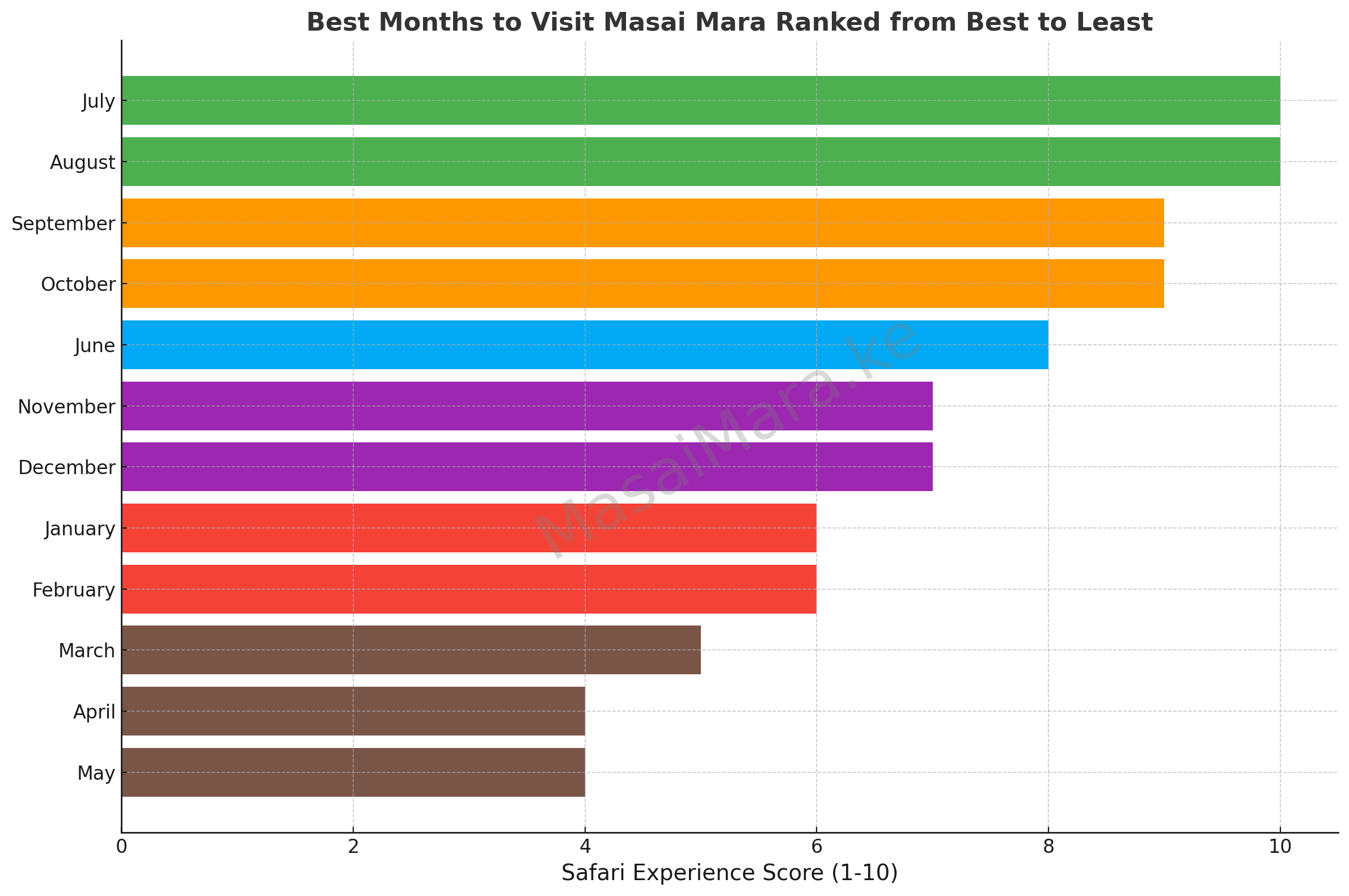
Best time to include Purungat Bridge in a game-drive plan
If your priority is wildlife density
- Dry season generally concentrates wildlife around permanent water (the river becomes a magnet).
If your priority is “classic Mara River drama”
- Migration months can increase large-herd movement along the river system, but crossings remain unpredictable.
If your priority is scenery and photography
- Any time of year works, but light quality is consistently best:
- 06:30–09:30
- 16:00–18:00
Frequently asked questions
Is Purungat Bridge inside the Masai Mara National Reserve or in the Mara Triangle?
It is referenced as being near the Purungat Bridge Gate leading into the Mara Triangle, and as a crossing point between Triangle and Greater Mara sectors.
Can you have a picnic near Purungat?
Some itineraries use river-adjacent picnic points, but picnic permissions and exact locations should be confirmed by your guide based on current rules and ranger guidance (especially in Triangle-managed areas).
Is it a guaranteed migration crossing point?
No. Migration activity is seasonal and river crossings are highly situational. Treat Purungat as a high-value river stop, not a guaranteed “crossing show.”
How to position Purungat Bridge in an itinerary (expert recommendation)
Purungat works best when it is integrated as:
- A river ecology anchor (hippos/crocs/birds + predator edges), and
- A routing connector if your day includes Triangle-sector loops or border-area plains exploration.
It is especially effective as a mid-day “interpretation stop” (river ecology + lunch) followed by a late-afternoon return to open plains for golden-hour predators.